

Resources

Videos
Invisible Consequences: How Federal Policy Shapes Economic Security for Older Adults
The webinar explores how legislative changes—especially the Older Americans Act, the Big Beautiful Bill and Social Security adjustments—affect older adults even when they are not the intended policy targets. It also discusses how eligibility rules, documentation requirements and reporting burdens create barriers to benefits such as Medicaid, SNAP, housing and caregiver assistance. Our experts additionally examine how policy shifts influence housing stability, consumer debt (including mortgages and student loans) and caregiving supports, all of which shape real-world access to basic security. Presenters included Benjamin Rose CEO Orion Bell, independent elder justice consultant Judith Kozlowski, and Bob Blancato, the national coordinator of the Elder Justice Coalition and president of Matz, Blancato and Associates.
Videos
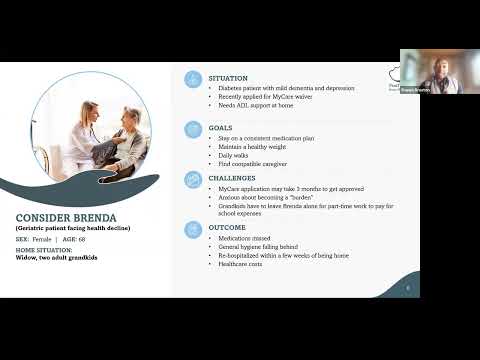
Ask The Expert- Caring for Family: A Guide to Getting Compensated as a Caregiver through Medicaid
Providing care for an older family member can be as demanding and time-consuming as a full-time job for some people. Fortunately, there are ways that family caregivers can potentially receive monthly payments for their services.

Articles
Why Financial Literacy Matters for Older Adults and Caregivers
The ability to understand and effectively manage money is important at every stage of life, but it becomes especially critical as we age. Many older adults live on fixed incomes, relying on Social Security, pensions or retirement savings. This can make it harder to absorb unexpected expenses, such as medical bills, home repairs or increased care needs. At the same time, their caregivers may be juggling their own financial responsibilities while navigating their support role. Though most people know in the back of their minds that they will one day be called upon to care for a parent, spouse, grandparent or sibling, it’s not an eventuality most think to set money aside for.

Articles
Caring for a Loved One with a Pacemaker
A pacemaker is a small device implanted in the chest to help regulate an irregular heartbeat. For many older adults, it can significantly improve quality of life by reducing symptoms like fatigue, dizziness or fainting. While pacemakers are generally safe and reliable, caregivers play an important role in helping their loved one adjust and stay safe.
Videos
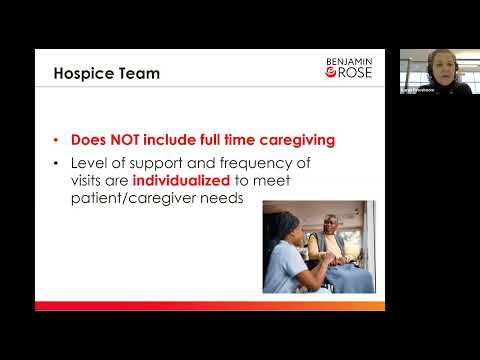
Ask the Expert- Palliative Care and Hospice: Conversations for Caregivers and Families
Videos
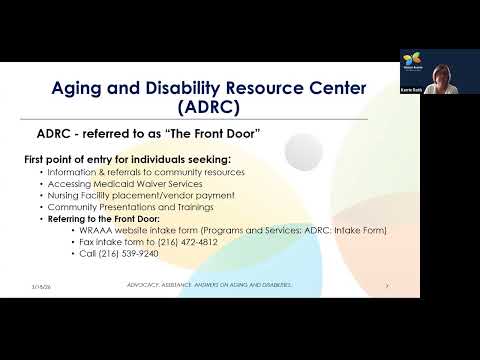
Connecting the Dots: How Community-Based Organizations Strengthen Comprehensive Dementia Care
This informative and timely presentation provides insights into the roles and functions of community-based organizations, including Area Agencies on Aging and multi-service organizations, as well as providers of Adult Day, transportation, respite and home health.

Articles
Why Bone Health Matters for Women as We Age
Strong bones are essential for maintaining independence and mobility later in life. Yet millions of women face an increased risk of bone loss and fractures as they age. In the United States, about 10 million adults have osteoporosis and roughly 80 percent of them are women. Researchers estimate that about 40 percent of women over age 50 will experience an osteoporosis-related fracture in their lifetime.
Articles
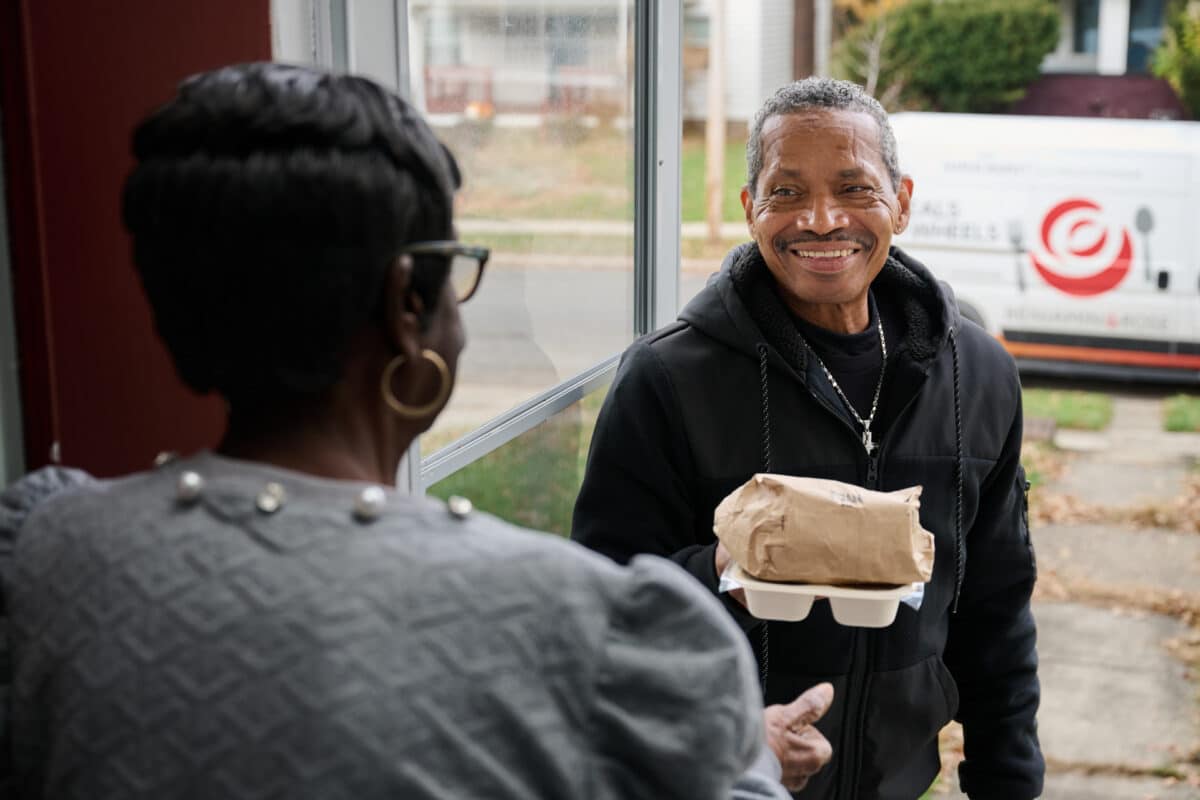
How Do I Know if Meals on Wheels Is Right for My Loved One?
If you’re caring for an older adult, you may start to notice changes that make everyday tasks harder, including grocery shopping, cooking or preparing balanced meals. When this happens, families often ask the same question: Is Meals on Wheels the right solution?
Videos
What is Care Navigation and How is it Changing the Landscape of Care for Older Adults?
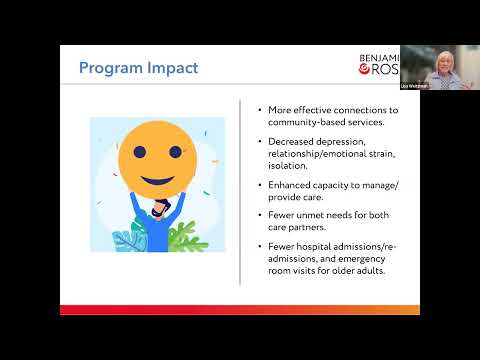
Everywhere you turn these days it seems there’s more talk about Community Care Navigation, and how health systems are working with community-based organizations to extend their reach outside of their facilities. It’s about time! Care Navigation programs have been around for 20-plus years and proven time and again to decrease healthcare costs through reductions in ER visits, hospital readmissions and physician visits. Plus, they improve patient care!