

Resources

Articles
Safety Tips for Immunocompromised Older Adults
As we age, our immune systems may become less effective at fighting infections. Some older adults face additional risks because of medical conditions or treatments that suppress or weaken the immune system, including cancer treatments, organ transplants and certain medications for autoimmune diseases. For these individuals, an infection that might be relatively mild for someone else can become more serious.

Videos
Ask the Expert: Decoding Disability Benefits
Applying for disability benefits can be a challenging experience. The more you know when you’re applying for benefits, the better your chances of avoiding costly errors that result in delays or even denials.

Videos
Ask the Expert – Rx for Success: Navigating Medication Changes Safely
Managing medication can be confusing and overwhelming! Learn how to navigate medications for your aging loved one, as well as tips to simplify their regimen, ensure safety, and promote organization. You will learn to look for certain medications and medication interactions that may be “high risk,” and learn how to discuss these and other general medication concerns with your loved one’s primary care provider.

Articles
Solo Travel for Older Adults: Safety Tips for a Fun and Stress-Free Trip
If you’re planning a solo adventure, a little preparation can help you travel with confidence. Here are several tips to help you stay safe and healthy and make the most of your trip.
Articles
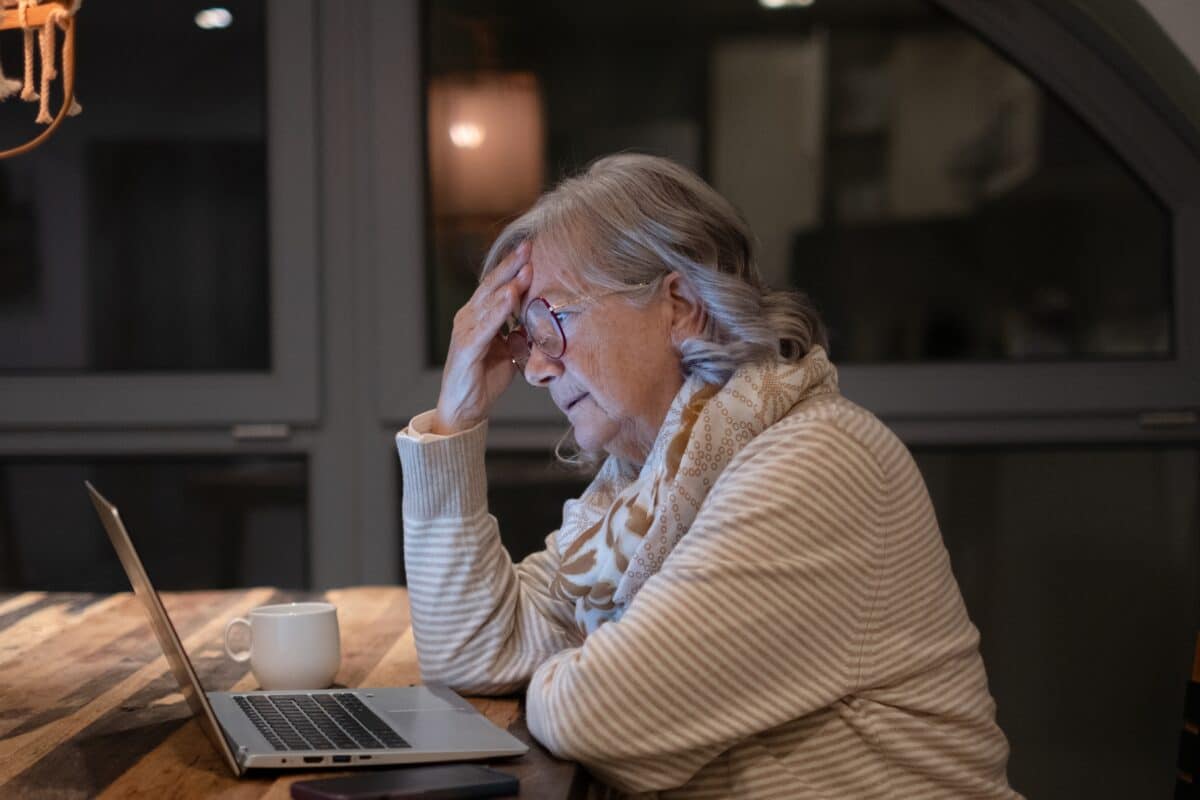
Protecting Your Heart, Finances and Well-Being From Romance Scams
Whether through social media, dating websites or even a simple text message from a stranger, many older adults are finding companionship online. These platforms can be a wonderful way to meet people, but they have unfortunately also become a hunting ground for criminals.

Articles
Why Financial Literacy Matters for Older Adults and Caregivers
The ability to understand and effectively manage money is important at every stage of life, but it becomes especially critical as we age. Many older adults live on fixed incomes, relying on Social Security, pensions or retirement savings. This can make it harder to absorb unexpected expenses, such as medical bills, home repairs or increased care needs. At the same time, their caregivers may be juggling their own financial responsibilities while navigating their support role. Though most people know in the back of their minds that they will one day be called upon to care for a parent, spouse, grandparent or sibling, it’s not an eventuality most think to set money aside for.

Articles
Why Bone Health Matters for Women as We Age
Strong bones are essential for maintaining independence and mobility later in life. Yet millions of women face an increased risk of bone loss and fractures as they age. In the United States, about 10 million adults have osteoporosis and roughly 80 percent of them are women. Researchers estimate that about 40 percent of women over age 50 will experience an osteoporosis-related fracture in their lifetime.

Videos
Ask The Expert- Managing Incontinence: Empower Yourself with Confidence and Control
Incontinence can be a frustrating and debilitating problem. Estimated to affect as many as 50 percent of adults over 60, it can put a strain on the independent daily activities and create significant emotional distress.
Articles
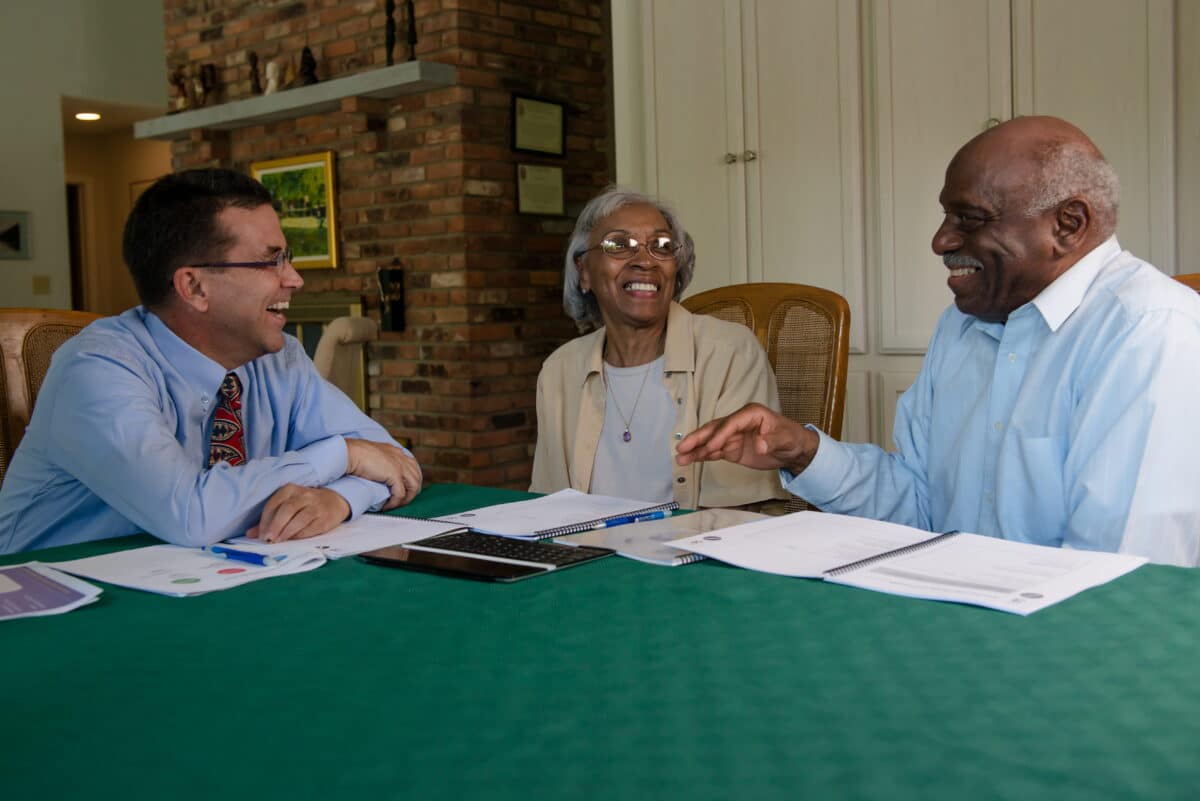
The Importance of Culturally Competent Dementia Care for Black Communities
Dementia affects millions of families across the United States, but its impact is not felt equally. Black and African American older adults face a higher risk of Alzheimer’s disease and related dementias, while also encountering greater barriers to diagnosis, care and support. These disparities shape how families experience dementia, from the earliest signs of memory change to the long-term realities of caregiving.