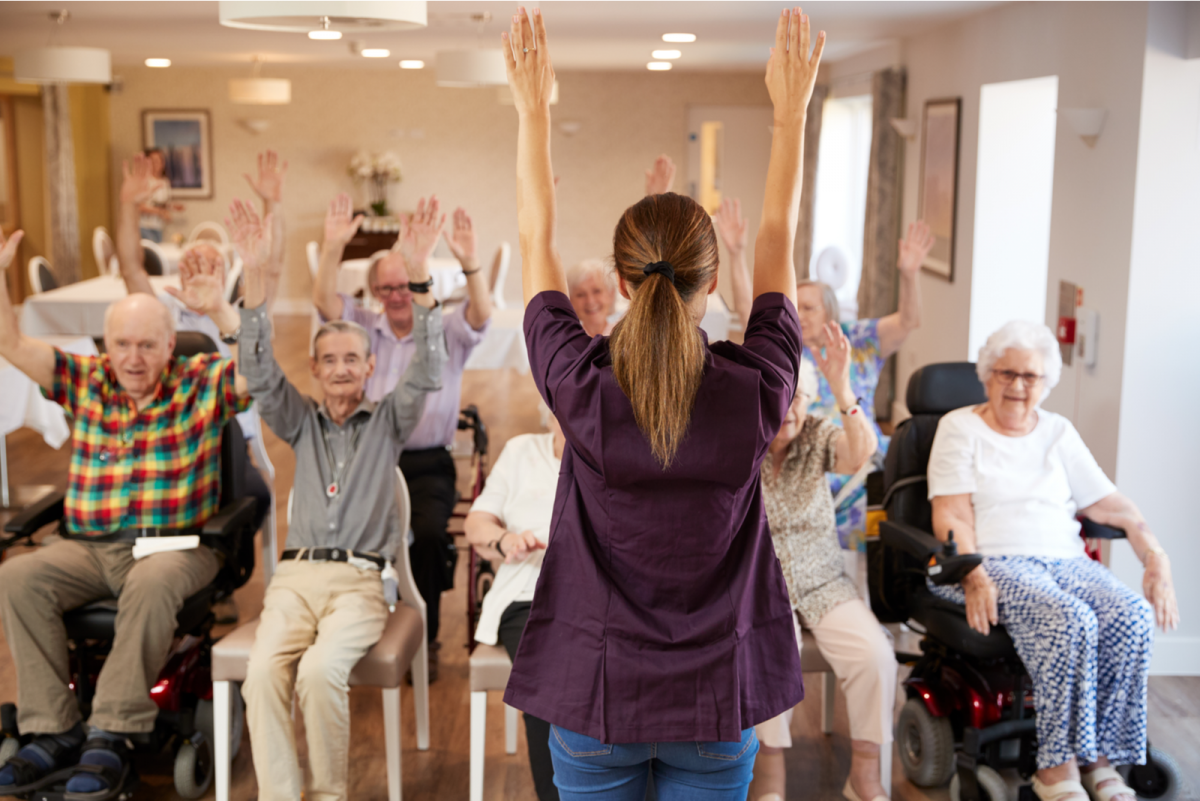
Process and structure: Service satisfaction and recommendation in a community-based elderly meal service in Shanghai This study aims to examine elderly clients’ service satisfaction and service recommendation for community-based meal services in Shanghai by applying Donabedian’s (1988) quality-of-care framework. This study analyzed secondary data from randomly sampled elderly clients of a community-based meal program in the Jing’an District in Shanghai (N = 690). Findings identified that several structure and process factors were significantly related to respondents’ service satisfaction and service recommendation. Notably, these factors were not identical; we discussed the differences. This study adds evidence in urban China to advanced research on quality of care. Read more
Pet Loss in Older Adulthood A book chapter focused on the experience of and issues raised by experiencing the death of a pet in older adulthood. Read more
Reducing the Stress of a Transition to Assisted Living The decision to move a loved one to assisted living can be one of the hardest a caregiver can make. However, if we are caring for a loved one with a chronic disease, particularly Alzheimer’s Disease or another form of dementia, it may become necessary to consider assisted living placement if we lack the time, resources or support to continue caring for a loved one at home. Shifting a loved one’s care to an assisted living facility may seem as if it will relieve many of the stresses of caregiving such as anxiety, depression or feeling overburdened. However, studies show that assisted living placement can instead change the type of stressors a caregiver experiences rather than eliminate them. Read more
Examining the Link Between Oral Health and Common Medical Conditions in Older Adults Living in Senior Housing: Recommendations to Improve Overall Quality of Life Oral health problems are widespread among older adults, particularly those who are low income and minority, and many barriers to dental care such as high cost of services, lack of Medicare coverage for oral health, and state variations in Medicaid benefits contribute to these problems. A community dentistry program partnered with a gerontological institute and low-income housing properties to conduct interviews and dental examinations with older tenants, to find that oral health problems were common and linked to diabetes and high blood pressure. Seniors housing staff can educate tenants on the importance of oral health, help them access subsidized or free dental care, and assist in arranging transportation. Read more
Mobility and medical service dogs: A qualitative analysis of expectations and experiences Purpose: To qualitatively describe and compare the expectations and experiences of living with a mobility or medical service dog among those with a physical disability or chronic condition. Materials and methods: A total of 64 participants living with a service dog and 27 on the waitlist to receive a service dog participated in a cross-sectional open-ended survey. Qualitative content analysis was used to identify themes and sub-themes. Results: A total of 101 codes were summarized into themes of Physical Benefits, Psychosocial Benefits, and Drawbacks to having a service dog. Psychosocial benefits included the human–animal relationship as well as emotional, quality of life, and social benefits. Drawbacks included service dog care, public access and education, lifestyle adjustments, and dog behaviour. While participants on the waitlist were more likely to anticipate physical benefits of having a service dog, those with a service dog largely described psychosocial benefits. Findings also suggest that some drawbacks, such as public discrimination, may be unanticipated by the waitlist. Conclusions: A comparison of expectations and experiences of service dog ownership highlights both the positive and negative aspects of the service dog–owner relationship and identifies potential aspects of having a service dog that may be unanticipated or overestimated by those on the waitlist. Implications for Rehabilitation When asked about helpful and important aspects of having a service dog, 98% of service dog owners described the psychosocial benefits of their dog’s assistance and companionship. The human–animal relationship was the most discussed psychosocial benefit from both current owners as well as those on the waitlist, demonstrating the unique strength of the service dog–owner bond in this population. Those on the waitlist to receive a service dog did not anticipate as many drawbacks as current owners described. In particular, difficulties with public access and education as well as dog behaviour were commonly experienced, but not expected, drawbacks to service dog ownership. Findings identify aspects of having a service dog that may be unanticipated or overestimated by those on the waitlist, providing rehabilitation professionals with a basis for preparing those who may be considering incorporating a service dog into their lives. Read more
Planning for the Future after a Dementia Diagnosis: Why Working Together Is Important If we are caring for a loved one who has recently been diagnosed with dementia or a related disorder such as Alzheimer’s Disease, it can feel devastating. Often, families avoid having discussions with their loved one about what the diagnosis could mean for their future out of fear. As the disease progresses over time, we may find ourselves as a caregiver in the position of making important care or health-related decisions for a loved one in a time of crisis, even if we have never previously discussed with our loved one what kind of care they would prefer. As a result, we may feel guilty about having to make decisions on our loved one’s behalf, without prior knowledge of their care values and preferences. Read more
The Impact of Caregiving on Family Members and Friends Family members and friends provide an average of 80% of the help needed by older adults who are unable to independently complete all their daily activities due to an illness or disability. While assistance from professionals or paid helpers may also be beneficial, most of the time, family members and friends are the main source of support, with one or more assisting and serving in the role of caregiver. Read more
Caring From a Distance Do you have to travel over 60 minutes to reach your loved one? Does this distance sometimes interfere with your caregiving responsibilities or prevent you from giving the care your loved one needs? If so, you may be considered a long-distance caregiver. Providing care from afar can complicate the caregiving experience, but there are tools, resources and new technological advancements that can help us all approach the distance in a more effective way. Read more
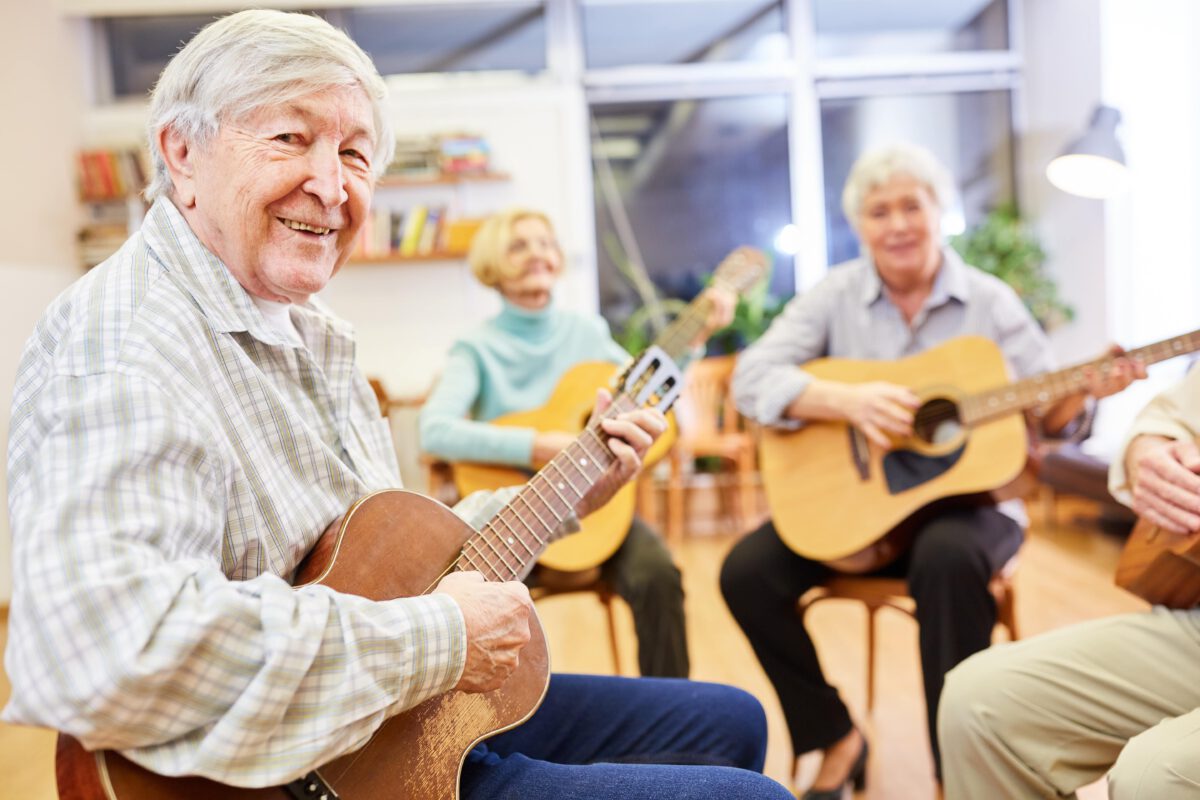
Music Therapy for Dementia Care Staying engaged in meaningful and interesting activities can be challenging after receiving a dementia diagnosis, but as caregivers, it is important for us to help our loved one continue to participate in activities they enjoy. If our loved one likes listening to or playing music, music therapy may be a helpful option. Music therapy can help individuals with dementia with their cognitive and/or physical functioning, while helping them stay connected with others. Read more
4 Creative Ways to Engage a Loved One in Reminiscence Everyone has a story to tell, and the older adults in our lives can be a rich source of memories, fascinating experiences, history and lessons learned over the course of a one-of-a-kind lifetime. Research shows that engaging in reminiscence and storytelling with a loved one can improve their mental, psychological and emotional health, while also helping caregivers personalize their caregiving and improve their connection and communication with their loved one. Read more