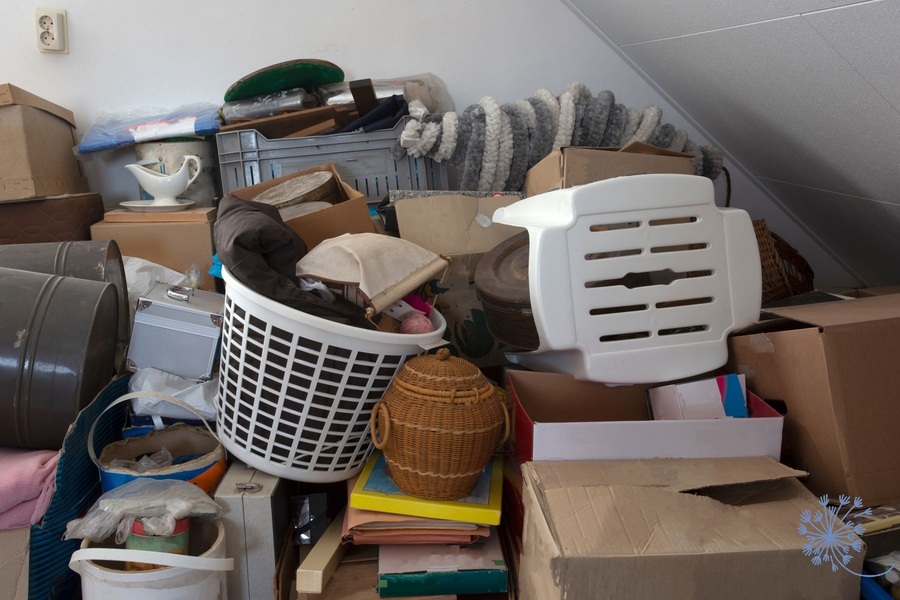
Characteristics of People Who Hoard: A Closer Look at the Behavior and Its Impacts Hoarding is a complex behavioral condition that goes beyond simply collecting items. It is often associated with emotional distress, difficulties in decision-making and impaired social and functional abilities. Read more
Enforced Harm Reduction Model for Hoarding Situations: A Guide for Hoarding Professionals The Hoarding Connection of Cuyahoga County strongly advocates for the adoption of the Enforced Harm Reduction model, as utilized by the Orange County, CA Hoarding Task Force. This approach emphasizes long-term management rather than complete elimination of hoarding behaviors. It leverages a collaborative team of housing enforcement professionals, social services, health, and mental health personnel to assist individuals who hoard. Read more
Signs of Hoarding Behavior: Identifying the Indicators and Understanding the Impact Hoarding is often difficult to detect until it reaches an advanced stage, as individuals may attempt to hide or manage their behaviors. However, certain signs and patterns can indicate the presence of hoarding tendencies, particularly when they begin to affect daily life and living conditions. Read more
Treating Hoarding Behavior in Older Adults: A Guide for Caregivers and Family Members Hoarding is a complex and challenging behavior that often requires specialized treatment. It’s important to understand that simply cleaning up the hoarded items will not resolve the underlying issues. Effective intervention involves a combination of emotional support, mental health care, and gradual change. For caregivers and family members of an older adult who hoards, here’s how you can approach treatment in a way that supports your loved one’s long-term well-being. Read more
Minimum Acceptable Standards for Hoarding Residences: A Guide for Professionals Hoarding situations can present significant challenges to both individuals and the communities in which they live. In response to frequent inquiries from housing coordinators, property managers, and other professionals seeking guidance, the Hoarding Connection of Cuyahoga County has developed a set of Minimum Acceptable Standards. These guidelines are intended to help professionals assess whether a hoarded living space meets basic safety and livability criteria, enabling individuals to remain in their homes while mitigating risks. Read more
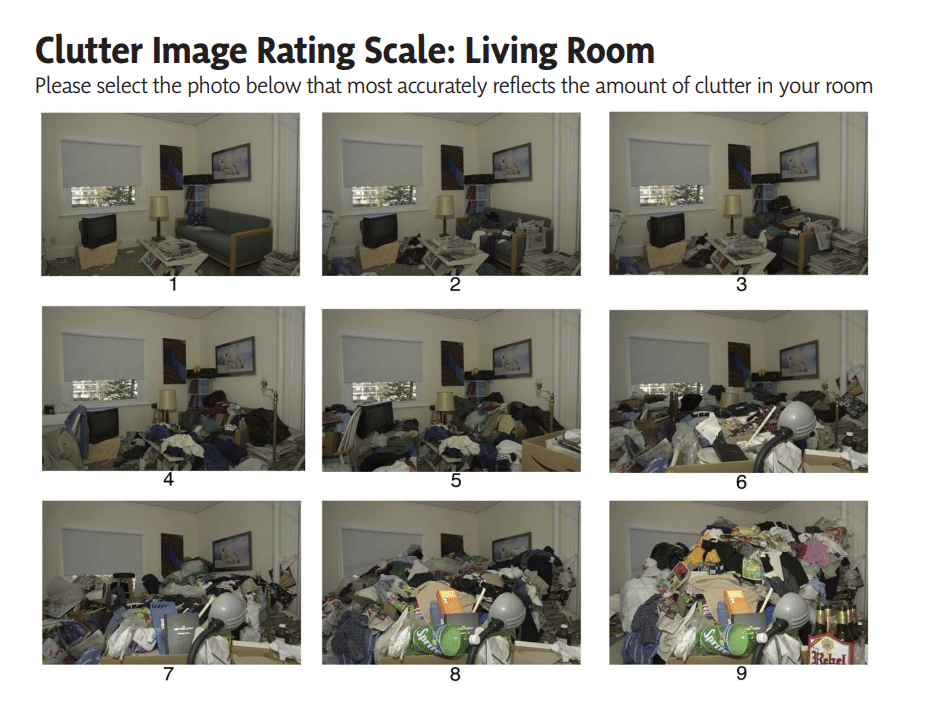
Hoarding Clutter Image Rating Scale The Clutter Image Rating (CIR) Scale is a visual tool developed by International OCD Foundation to help assess the severity of clutter in different areas of a home—specifically the living room, kitchen, and bedroom. It features a series of images ranked from 1 (least cluttered) to 9 (most cluttered), allowing professionals, family members, and individuals to objectively identify and communicate the extent of clutter. This scale is especially helpful in recognizing potential safety or health risks associated with hoarding behaviors. To use it, compare the space in question with the images and select the number that most closely matches the current level of clutter. Read more
Understanding Seasonal Affective Disorder and Its Impact on Older Adults As the days grow shorter and sunlight becomes scarce, many people experience a change in their mood and energy levels in winter. For some, these changes are more severe and have a greater impact on their everyday life, a condition known as Seasonal Affective Disorder (SAD). This form of depression, linked to seasonal changes—particularly the change from summer to fall/winter—affects millions of people annually, including a significant number of older adults. Read more
Assessing Travel Readiness for Older Loved Ones During the Holidays The holiday season is a time for family gatherings, shared meals and cherished traditions. When you’re caring for an older loved one, it also includes navigating the logistics of travel. While traveling can offer a wonderful opportunity for connection, it’s important to ensure that your loved one is healthy and prepared for the journey. Before booking tickets or packing bags, consider these steps to assess whether your loved one is ready to travel and how to ensure they have a safe and comfortable trip. Read more
Hygiene Tips for Caregivers: Promoting Dignity and Comfort Caring for an older adult who struggles with personal hygiene can be challenging, both physically and emotionally. Some older adults may have physical limitations that make it hard to keep up with hygiene, while others may not recognize their needs or feel resistant to assistance. In either case, the situation can easily turn difficult for caregivers if not dealt with, and the longer a loved one goes without problem care being taken, the greater likelihood that a complication will arise from an unsanitary environment. Read more
Managing Life After a Diabetes Diagnosis: Key Steps for Your Health Being diagnosed with diabetes can feel overwhelming, but with the right steps, you can manage it effectively and continue to live a healthy, fulfilling life. There are key actions to take, along with other areas of your health to monitor for preventing complications. Read more