

A Lesson in Loss
For the past two years, I have had a traveling companion. He’s been on business trips and vacations and family gatherings. He’s been to Austin and Boston, Seattle and Tampa, Detroit and Los Angeles, and many places in between. He is in a lot of photographs from places I have visited. His name is Notch, a sticker of a Minecraft character that I carry in my wallet.
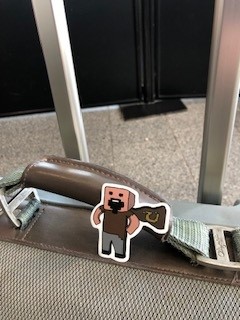
Notch entered my life in a hospital room in the final hours of my father’s life. Dad was nearing the end, and family had gathered to be at his bedside. Among them was my seven-year-old grandson. My parents were thrilled to meet their great-grandchildren, and I have to think Dad took some notice of a child’s voice among those in the room around him. The atmosphere was somber. We all knew we were saying our goodbyes. And, with the insight that comes with being seven, my grandson took it on himself to lighten the mood. And so, he handed each of us a sticker from the activity book that he had brought on the trip. His parents, his aunts and uncles, and his grandparents, each received a sticker he picked out, along with a bit of why he thought it was the right one. Something that would bring a smile and make us feel better.
Mine was Notch.
I don’t know much about Minecraft. Pac-Man and Donkey Kong were more my era. But the sticker conversation stayed with me. So did the sticker. I slipped it into my wallet, next to my driver’s license.
A two-inch, paper sticker doesn’t take up much room. So, Notch stayed in my wallet. Anytime I opened my wallet, he was there. When school started that fall, my grandson’s teacher asked her students to have friends and family send them postcards for a class assignment, so I started sending cards from my travels. I thought about taping Notch to one but wasn’t sure if he would survive the trip. So, why not take a picture of Notch and send it via text? And so, it started. A message from Notch wherever I went (in addition to the postcards). The first one was from the Pennsylvania Turnpike, then Baltimore’s Inner Harbor. Airports, coffee shops and conference rooms. It became a habit. The school year ended, but I still sent postcards and messages—a photo and a group text. It’s a quick check-in with the kids and grandkids. A bit of silliness from a time of sadness. And a reminder of the importance of connections with others.
My memories of my father go far beyond those final hours of his life at the hospital. There are places and activities that remind me of him. There are reminders, photos and gadgets. There are notes in a folder in his handwriting. Memories of conversations and places and events we shared. There are times when I miss him more than others. But there are also times when he is a source of strength and comfort.
Grief and loss are part of life. But older adults may not experience grief and loss in the same way as others. For some older adults, there may be multiple losses in a short period of time. Grief can be compounded by social isolation. The loss of a spouse may include not only personal loss, but also changes to financial security and social contacts. Even the loss of a familiar setting —selling the family home or retiring from work— can be challenging for one’s mental health and wellbeing.
The National Institute on Aging offer guidance on coping with grief and loss. Grief can make us feel shocked, numbed or fearful. Some feel guilty for being the one who is still alive, or angry at the loved one for leaving. Grief can bring on physical and emotional pain. There are no rules about how you should feel. And there is no “correct” way to mourn. The only “wrong” thing is to ignore it.
“Complicated grief” occurs when mourning becomes unhealthy, and the person is unable to resume their own life. When grief becomes overwhelming, support groups, counseling sessions and other resources can offer guidance and assistance in dealing with loss.
October 10 is World Mental Health Awareness Day. It is an opportunity to talk about mental health and consider how we can help everyone have better mental health. It is estimated that one in five Americans experience a mental health condition annually. Mental health is something we all experience, manage and need support with. No one should have to face these challenges alone.
Benjamin Rose offers a variety of behavioral health services, tailored to the unique needs of older adults. Our accredited services include case management, day treatment and counseling. The Care Navigators of our WeCare caregiver support program can address the needs of individuals caring for a family member or other loved one, including addressing the emotional toll of caregiving, and how to find resources for help. These are just some of the ways we serve as a trusted partner on the aging journey.