Caring for the Long Haul: How to Stay Healthy and Balanced as a Long-Term Caregiver Long-term caregiving is often an act of deep love, but it is also one of the strongest predictors of stress, burnout and social isolation if caregivers don’t receive the support they need. When a loved one has a long life expectancy but rising care needs, caregivers face a unique challenge: how do you sustain care without sacrificing your own health, identity and future? Read more
Care-Based Estate Planning for Families Living with Dementia Estate planning is necessary and provides peace of mind, but wills, trusts and powers of attorney can all seem terribly complicated and intimidating to many families. This valuable webinar provides professionals and family caregivers with practical guidance on estate planning, Medicaid rules, and long-term care funding strategies tailored to families living with dementia. Read more
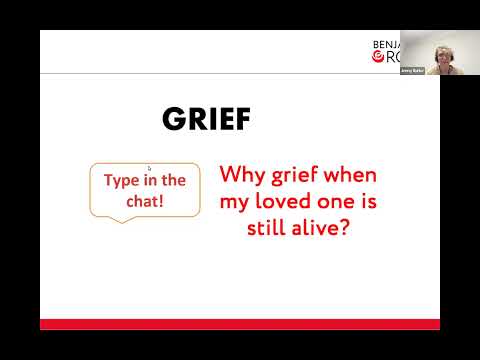
The Emotional Side of Caregiving Join us for “The Emotional Side of Caregiving,” where we explore the often-overlooked feelings of stress, guilt, grief, and compassion fatigue that many caregivers experience. Read more
Supporting Older Adults Living with Mental Illness Mental Illness Awareness Week, recognized each October, is a time to raise awareness about mental health conditions and how they impact people of all ages. While mental illness is more often discussed in the context of younger adults, it’s important to remember that older adults also face unique challenges related to mental health. According to... Read more
The Emotional Side of Caregiving Join us for “The Emotional Side of Caregiving,” a special Lunch and Learn event where we’ll explore the often-overlooked feelings of stress, guilt, grief, and compassion fatigue that many caregivers experience. Participants will discover practical strategies for managing stress and maintaining emotional balance. Read more
19th Annual Katz Policy Lecture: Advancing Dementia Caregiving The 19th annual Katz Policy Lecture examines groundbreaking research and innovations in dementia care. Dr. David Reuben, Archstone Professor at UCLA and leading expert on aging and dementia care, discusses comprehensive dementia care, provides updates on the Guiding an Improved Dementia Experience (GUIDE) payment model, and presents findings from the Dementia-Care Study (D-CARE), Lastly, Dr. Reuben highlights future directions in dementia care policy and research. Read more
A Personal Journey Through Caregiving for a Loved One with Early Onset Dementia Dementia Friendly Week in Cleveland Heights is a time to learn, connect, and come together in support of those affected by dementia. Hosted annually by Heights Libraries, this weeklong event features workshops, book talks and educational programs like Dementia Friends sessions. It’s about more than information: it’s about building a community that understands and supports individuals with dementia and their caregivers. For Nancy Levin, Director of the Cleveland Heights-University Heights Public Library, the mission of Dementia Friendly Week is deeply personal. Read more
Effective Strategies for Recruiting and Engaging People Living with Dementia and Their Caregivers Join us for an in-depth conversation on effective strategies for recruiting and engaging family and friend caregivers and people living with dementia in evidence-based dementia care programs. This session highlights marketing tools and outreach strategies provided by BRI Care Consultation, with a particular focus on the specific recruitment needs of GUIDE Model Participating Sites. Read more
A Quick Intro to the GUIDE Model for Health Professionals GUIDE is well positioned to improve health outcomes by encouraging use of community resources, offering caregiver education to improve competence and confidence, and enhancing access to medical and behavioral specialists, along with seamless coordination of healthcare and support services. Read more
Hygiene Tips for Caregivers: Promoting Dignity and Comfort Caring for an older adult who struggles with personal hygiene can be challenging, both physically and emotionally. Some older adults may have physical limitations that make it hard to keep up with hygiene, while others may not recognize their needs or feel resistant to assistance. In either case, the situation can easily turn difficult for caregivers if not dealt with, and the longer a loved one goes without problem care being taken, the greater likelihood that a complication will arise from an unsanitary environment. Read more