The Impact of Alcohol Consumption on Older Adults and How Caregivers Can Help In many cultures, alcohol consumption is so engrained in social rituals that not drinking seems much stranger to people than frequently drinking. However, alcohol is never without its risks, and this is especially true for older people. Older adults are much more vulnerable to the adverse effects of alcohol than younger people due to age-related changes to their bodies, medication interactions and other health conditions. And though reckless drinking is an issue most people associate with younger people, older adults, especially those in the 55-64 range, are more at risk of alcohol-induced deaths than any other age category, according to data from the CDC. Read more
Practical Tips for Aging in Place with Mobility Aids Aging in place with the support of mobility aids requires a holistic approach that encompasses understanding the challenges, selecting the right aids, making essential home modifications, creating a age-friendly living space, and utilizing caregiver assistance along with financial and community resources. By implementing these practical tips, older adults can maintain their independence and quality of life in the comfort of their own homes. Read more
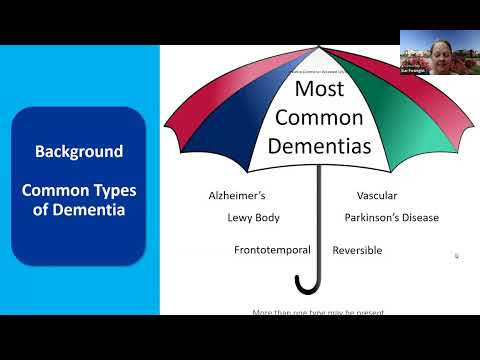
Sorting out the Risks and Benefits of Medications for Dementia and Mild Cognitive Impairment Learn more about the risks and benefits of medications that are currently on the market to treat dementia and mild cognitive impairment. This webinar also discusses ways to get the most benefit and minimize the risks of these medications and have a brief discussion on medications that are being studied for these conditions that appear to be close to being marketed. Read more
Storm Clouds or Calm Seas? The Outlook of Aging Policies for 2024 Join Benjamin Rose Institute on Aging as Bob Blancato, President of Matz, Blancato, and Associates and the National Coordinator of the Elder Justice Coalition leads a discussion on what we can anticipate from federal aging policies in 2024. Topics include the renewal of the Older Americans Act, health care reform and how aging policies will impact our respective states and communities. Read more
Navigating the Path: A Guide for New Dementia Caregivers Becoming a caregiver for a loved one with dementia is a profound and, at times, overwhelming journey. It's a role that comes with many responsibilities and challenges, and requires careful planning. If you've recently become a dementia caregiver, here's what you can expect and some recommendations to help you along the way. Read more
Understanding Glaucoma: A Guide for Caregivers of Older Adults Ensuring the well-being of older adults involves comprehensive care, and one aspect often overlooked is eye health. Glaucoma, a progressive eye disorder leading to optic nerve damage and potential blindness, is a significant concern, especially among older adults. As a caregiver, it's crucial to integrate glaucoma testing into the care plan, given its prevalence and potential severity. Read more
Resources for Aging Adults Explore articles and resources to help you live well as you age. Our topics include aging in place, avoiding scams, organizing finances, caring for your mental health and so much more! Read more
Navigating Strokes, from Recognition to Recovery The brain, despite weighing a mere three pounds, serves as the body's mastermind, orchestrating complex functions from speech to movement. But as hardworking as it is, the brain is vulnerable to internal injuries known as strokes or "brain attacks," placing both it and its owner at risk. Strokes, the third leading cause of death in the US, can occur at any age but are more prevalent among older individuals. Read more
Decoding Dementia’s Genetic Connections Dementia affects millions of individuals globally. While age, not genetics, is the primary risk factor, there's growing evidence that genetics can indeed play a role in determining an individual's susceptibility to certain types of dementia. Read more
Adult Protective Services: The What, Why, and How In this virtual discussion presented in partnership with the Elder Justice Coalition, we examine baseline funding for Adult Protective Services, and how service providers can advocate for our communities. Jennfer Spoeri, Executive Director for the National Adult Protective Services Association, covers the importance of APS funding and the services it provides, and addresses misconceptions about APS. Heidi Turner-Stone, Section Chief of the Ohio APS, highlights the significance of state-level APS funding, while Bob Blancato of the Elder Justice Coalition covers this significance on a federal level. Read more