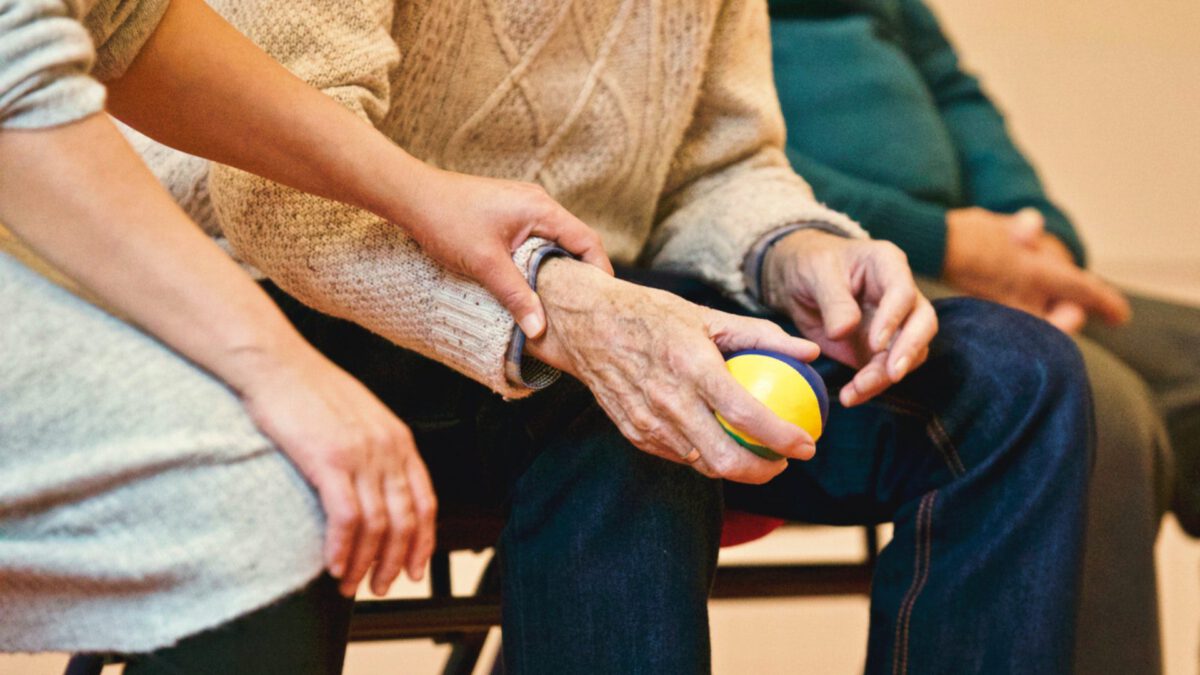
Useful Items to Have in the Home When Caring for a Loved One with Dementia “Dementia products” are intended to make life easier for a person with dementia and their loved ones. Some of these products can indeed be helpful. However, often they go unused or hold interest only briefly. Before you jump in and try or buy something, do a little advance thinking about what your loved one's needs are, and what useful items you may already have in your home. Read more
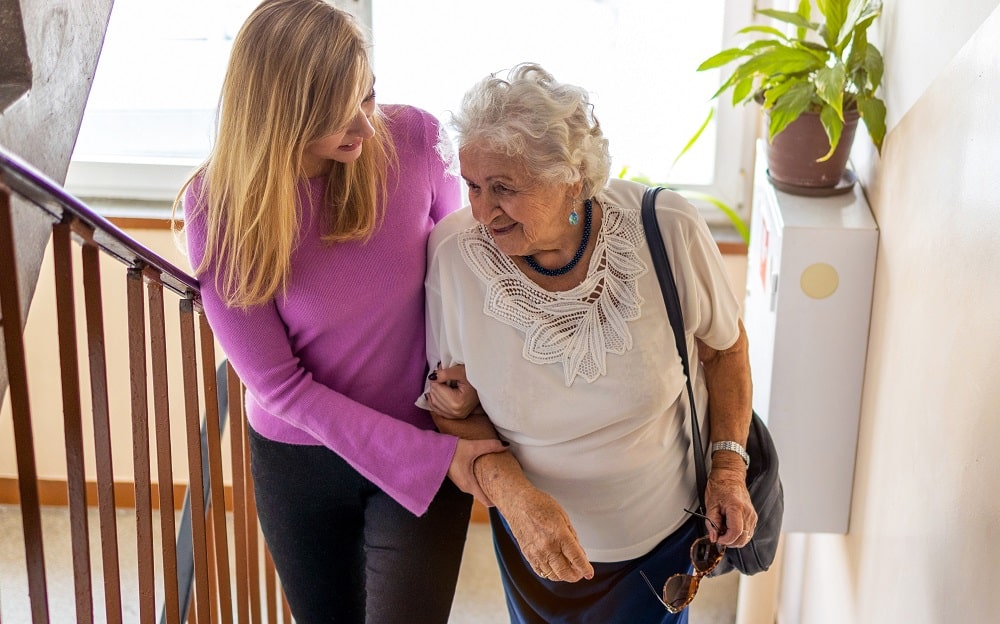
Weighing the Cost of Living Options as an Older Adult It’s natural for time to sneak up on you, especially when you reach your retirement years and beyond. As your wants and needs evolve with time, you may want to reevaluate your living arrangements. You may have been planning to move somewhere new for quite a while or, on the flip side, have just begun noticing how big your home feels after your children have moved out. Whatever the case may be, there are plenty of living options you can consider for your next chapter in life. Read more
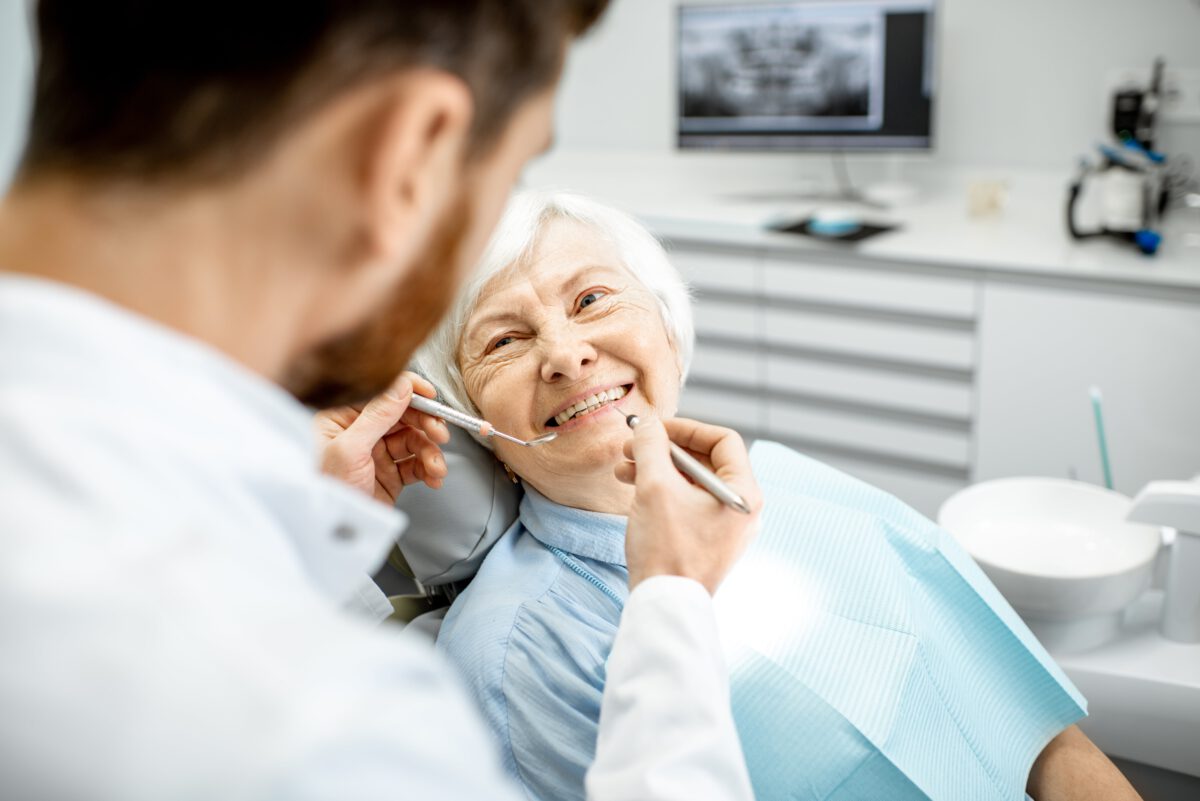
Helping an Older Loved One Maintain Good Oral Health When caring for an older loved one with a chronic health condition or serious health concern, you most likely take them to regular appointments with doctors or specialists to assure that they are healthy and in the best possible condition. But with all these important appointments to manage, do you remember to bring your loved one in for a biannual appointment with their dentist? Though oral health may seem like a smaller concern compared to taking care of a loved one’s chronic health condition or other health issues, a healthy mouth can play an important role in their overall wellbeing, self-image and nutrition. Read more
How the Care-Coaching Model Empowers Caregivers Providing care for an older family member or friend isn’t something most people are prepared to do. Many individuals who find themselves in a family caregiver role weren’t expecting to take on such responsibility, and they often lack the time, knowledge or tools to do everything they feel they need to do. Read more
Busting 4 of the Common Myths About Dementia Though around 6 million individuals in the United States have a diagnosis of dementia, there are still many things that are not fully understood about the causes of the disease and how it can be better treated or even prevented entirely. There are also things about dementia that are commonly misunderstood. Stereotypes and broad generalizations about the disease can easily spread and become “fact” in the minds of the general public, ignoring the fact that dementia represents many different diagnoses and experiences, and cannot always be summed up in simple terms. Read more
8 Things to Know About High Blood Pressure and Dementia According to the Center for Disease Control and Prevention, about 116 million, or just about half of all Americans, live with high blood pressure, also known as hypertension. Untreated hypertension is very dangerous, as it puts people at risk for heart disease, stroke, and chronic health issues. Read more
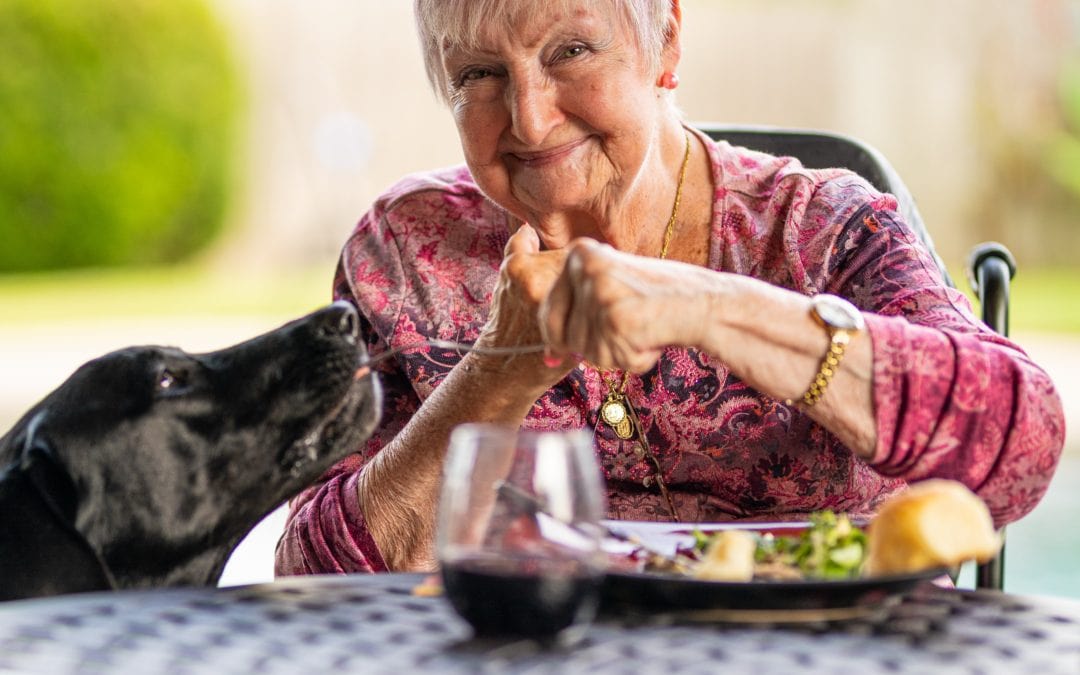
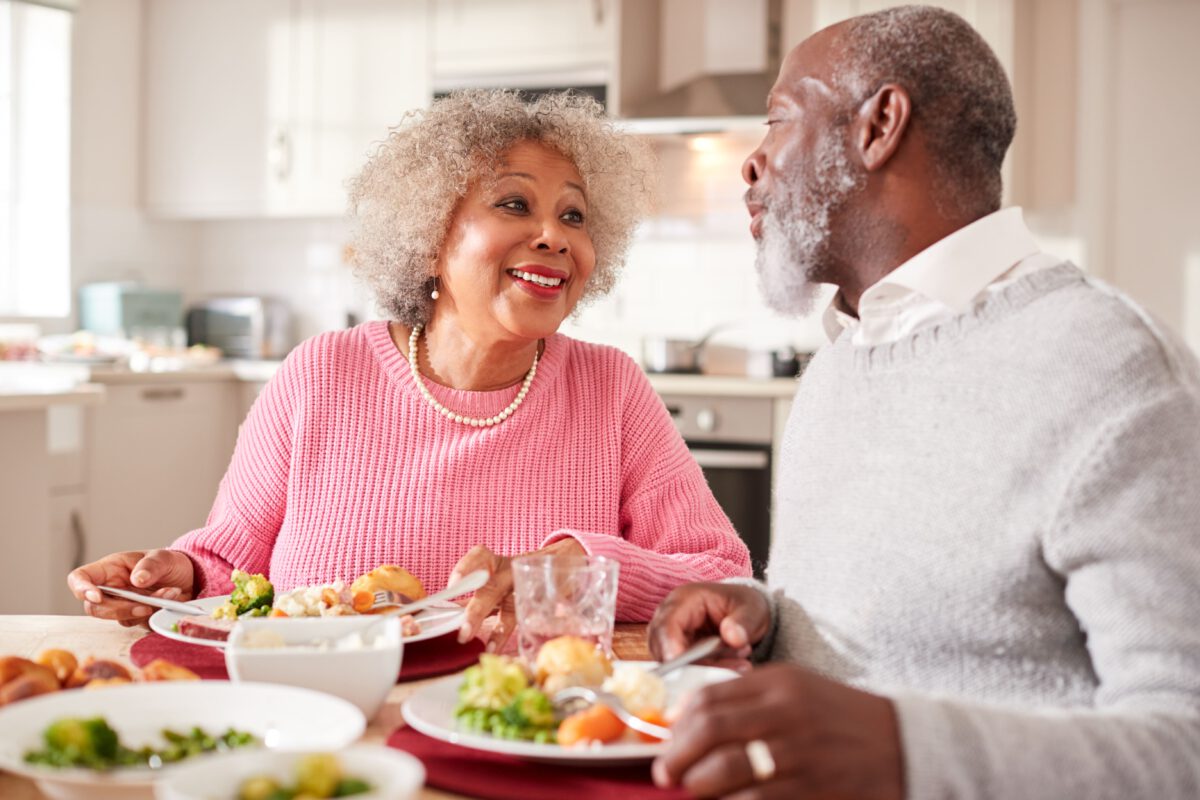
4 Tips for Getting the Most Out of Mealtime with Dementia Over time, people develop unique relationships with food – determining what they like and do not like. It is commonplace to have a favorite meal, type of food, place to eat, etc. Individuals living with dementia, however, commonly experience changes from their normal food habits. Depending on the person and what stage of dementia they are in, a loved one may show changes in things like appetite, eating habits, food preferences or swallowing ability. Read more
How to Provide Care for a Loved One with Mesothelioma It’s never easy navigating through a loved one’s hardships, especially in situations where you feel powerless. Fortunately, there are things that you can do to help support your loved one through hard times and provide much needed assurance—even when the hard time in question involves something as serious as a cancer diagnosis. Read more
Family Caregivers are Stressed, Tired—and in Your Workforce Programs that provide support for employees serving as family caregivers are emerging as a critical employee benefit option, particularly as providers focus on addressing the full scope of emotional and mental health considerations. Read more
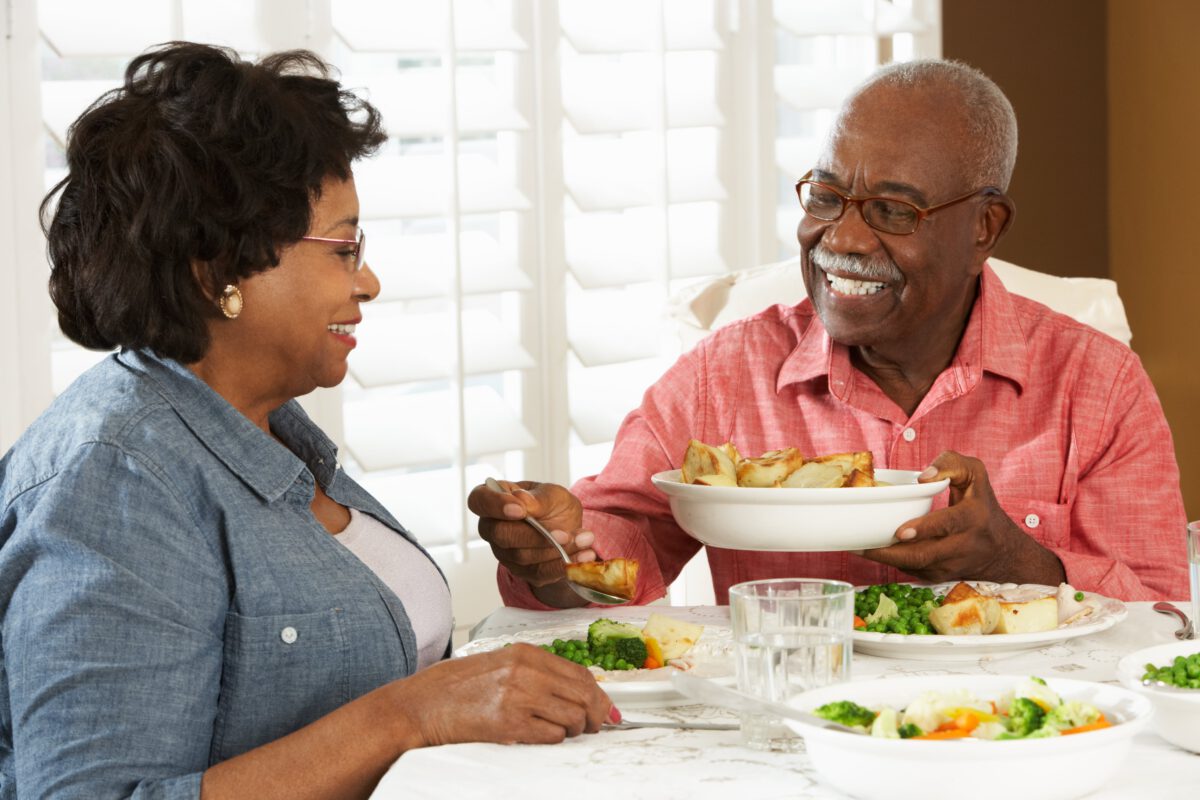
After a Hospital Discharge, Food is a Valuable Medicine When a loved one is discharged from a hospital stay, their doctor will likely give them medicine to help improve their condition so they can stay well enough to avoid having to return to the hospital in the future. As caregivers, we may have the responsibility of making sure a loved one is keeping up on their medication post-discharge. However, are we remembering to pay just as much attention to another source of medication necessary to their healing process: the food they eat? Read more