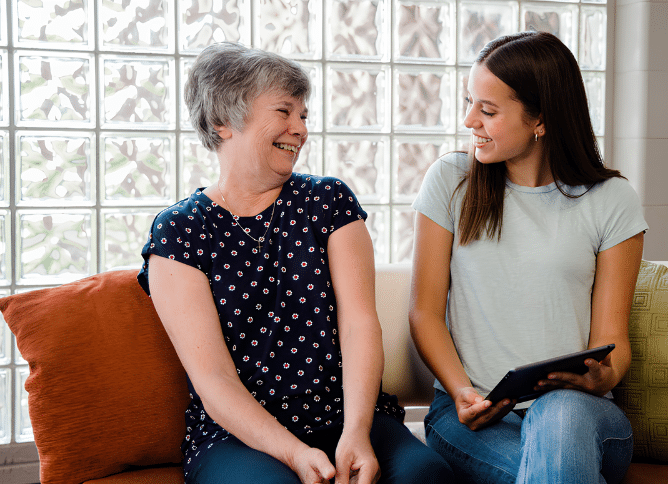
Ask the Expert- Activities and Strategies to Manage Behavioral Symptoms For older adults living with a chronic condition, behaviors such as agitation, anxiety, resistance, or withdrawal may be a form of communication influenced by environment, emotions, or unmet needs. We may not be able to change the behaviors but we can change how we understand and respond to them. Read more
The Stories We Carry: How LifeBio Is Helping Bring the Person Back Into Care Life story work can be about preserving family history, but LifeBio founder Beth Sanders believes its value goes beyond creating a record of the past. She has found that older adults often have a strong desire to share what they have learned throughout their lives. Read more
Ask the Expert – Nutrition and Caregiving Join Registered Dietitian Nutritionist Laura Borth for an interactive Ask the Expert session that covers the biggest nutrition challenges that older adults face. Read more
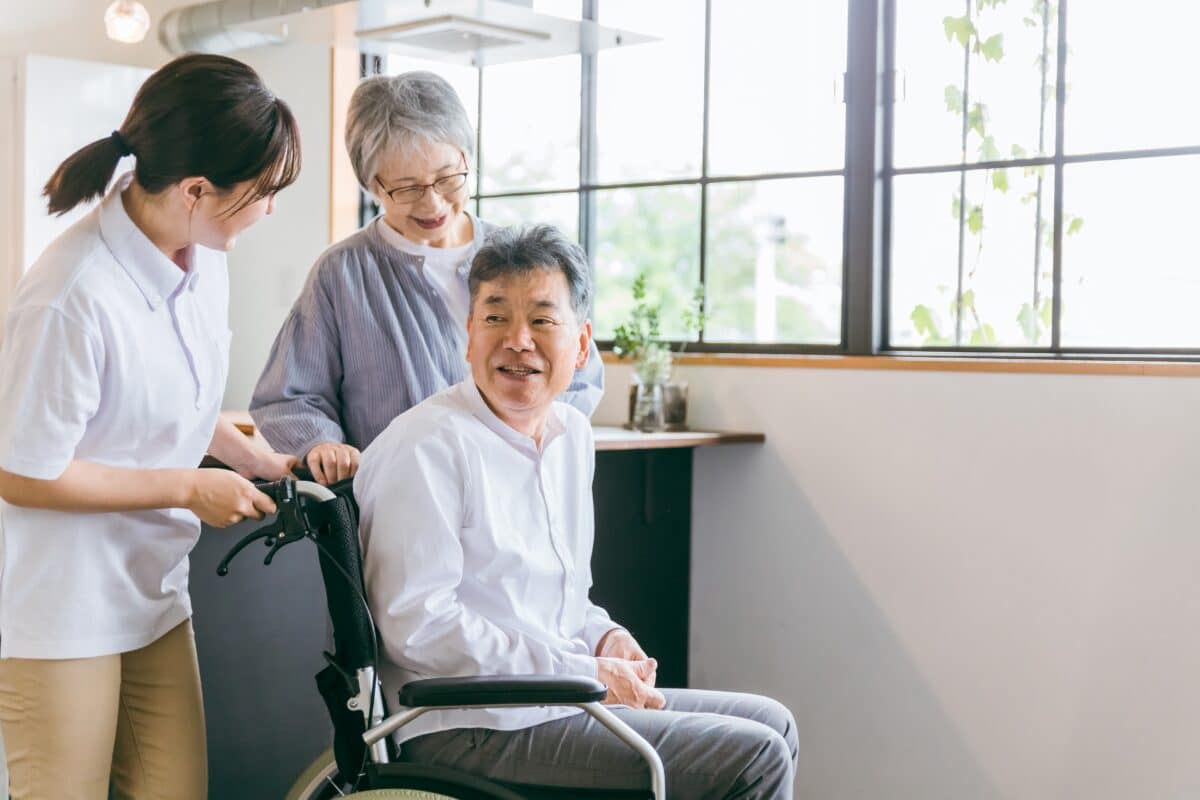
Safe Transfers: Tips for Caregivers Helping a Loved One Move Helping a loved one move from a bed to a wheelchair, from a chair to standing or between other surfaces can become a regular part of caregiving. Transfers may seem straightforward, but they can also be physically demanding and stressful for both the caregiver and the person receiving assistance. Read more
Safety Tips for Immunocompromised Older Adults As we age, our immune systems may become less effective at fighting infections. Some older adults face additional risks because of medical conditions or treatments that suppress or weaken the immune system, including cancer treatments, organ transplants and certain medications for autoimmune diseases. For these individuals, an infection that might be relatively mild for someone else can become more serious. Read more
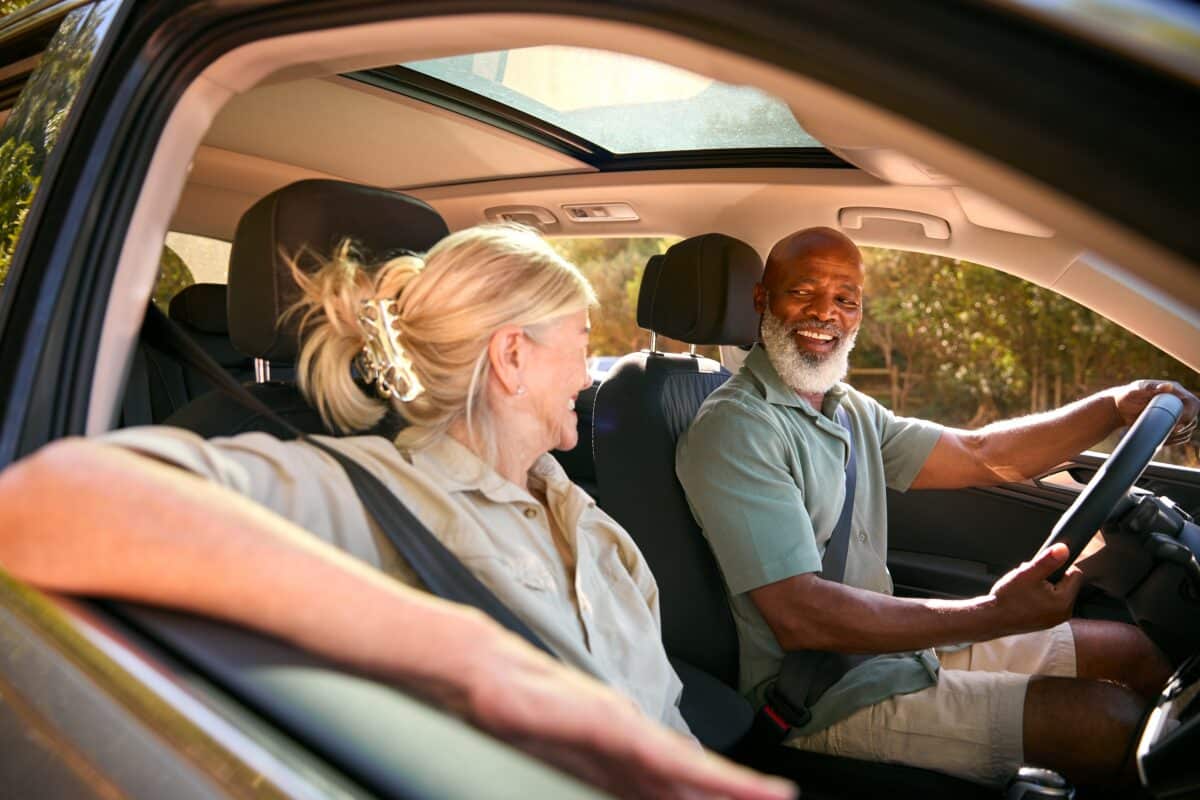
When Should a Loved One Stop Driving? How to Have the Conversation with Care and Respect For many older adults, driving represents freedom, independence and the ability to stay connected with the community. However, while some older adults can drive safely well into their later years, changes in health, vision or reaction time may eventually make driving more difficult. Deciding whether it's time for your loved one to stop driving can be one of the most emotional conversations a family has. If you're concerned about a loved one's driving, approaching the conversation with empathy and going in prepared can help make the discussion more productive. Read more
Caring for an Older Loved One in a Rural Community Caring for an older loved one can be challenging no matter where you live. For caregivers in rural communities, however, finding support can come with additional obstacles. Services may be spread across large geographic areas, transportation may be limited and there may simply be fewer programs available nearby. With many aspects of healthcare moving online, the Digital Divide is also an issue. According to The International Telecommunication Union, only about 75 percent of households in rural areas in the Americas utilize the internet, compared to 91 percent of urban households. Read more
Solo Travel for Older Adults: Safety Tips for a Fun and Stress-Free Trip If you're planning a solo adventure, a little preparation can help you travel with confidence. Here are several tips to help you stay safe and healthy and make the most of your trip. Read more
The Role of Community Health Workers in Comprehensive Dementia Care Community Health Workers are increasingly recognized as valuable members of interdisciplinary care teams, helping improve access to care, strengthen community connections, and support individuals living with dementia and their family and friend caregivers. Read more
Ask the Expert: What’s in a Fall? Join us for “What’s in a Fall,” presented by Rosalind Strickland, owner of Rosalind Strickland Interior Design and a certified Aging-in-Place Home Safety Advisor. She reveals why fall prevention is not just a safety issue, but a critical component of aging well and staying independent. Read more