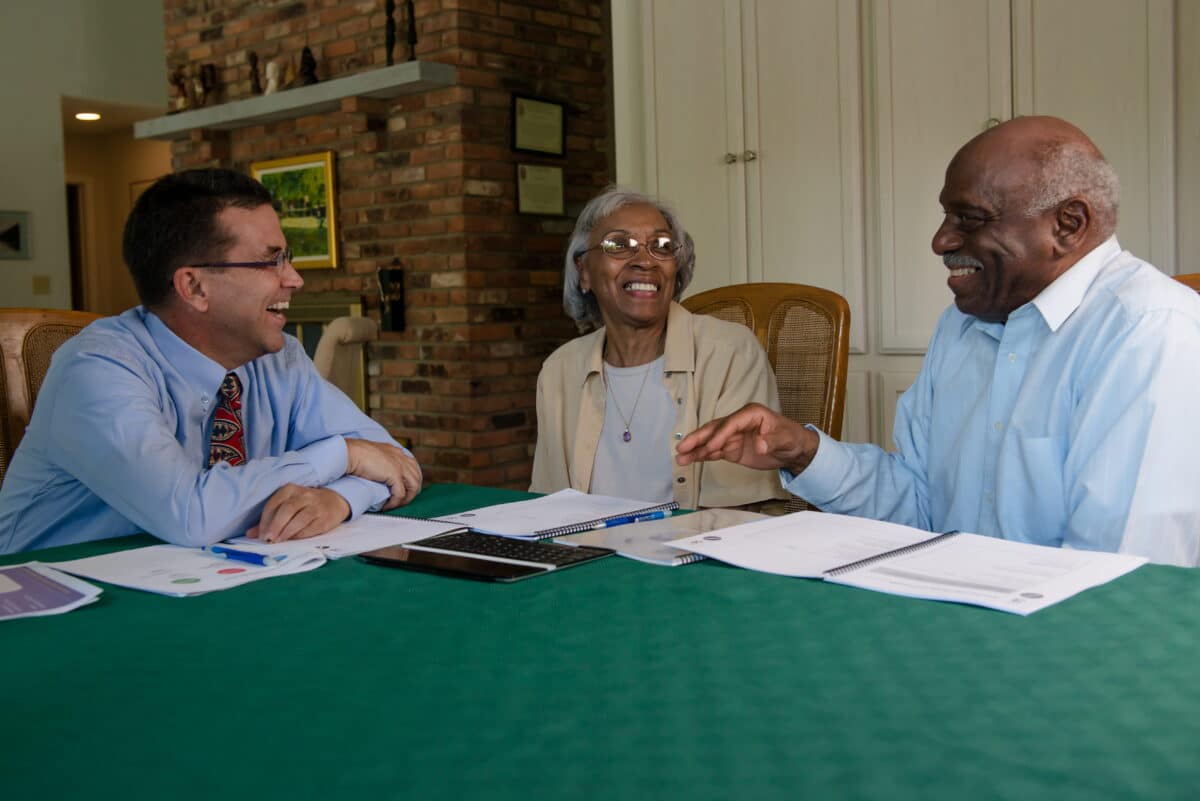
The Importance of Culturally Competent Dementia Care for Black Communities Dementia affects millions of families across the United States, but its impact is not felt equally. Black and African American older adults face a higher risk of Alzheimer’s disease and related dementias, while also encountering greater barriers to diagnosis, care and support. These disparities shape how families experience dementia, from the earliest signs of memory change to the long-term realities of caregiving. Read more
Healthy Habits to Support Heart Health as You Age Given its important role, it’s no wonder that heart issues remain one of the leading causes of death for older adults in the United States. According to the Centers for Disease Control and Prevention (CDC), about 1 in 3 deaths among adults over age 65 is due to heart disease, and nearly 70 percent of adults aged 60 and older have some form of cardiovascular condition such as high blood pressure, coronary artery disease or heart failure. Read more
Ask the Expert: Live Q&A Hour for Caregivers This informal ask-and-learn session for family and friend caregivers is full of tips directly from the experts! Read more
Learning More About Your Diagnosis: Where to Start Receiving a new medical diagnosis can feel overwhelming at any age, but for older adults it often comes with added concerns about independence, daily routines and long-term quality of life. Many healthcare providers do an excellent job explaining test results, naming a condition and referring patients to specialists or treatments. However, the realities of living... Read more
Why Dementia Caregivers Burn Out: A Brain Science Perspective While caring for a loved one with Alzheimer’s disease or a related dementia is often described as an act of deep love, it can also be an experience of profound strain. Caregivers may find themselves exhausted, overwhelmed or emotionally frayed, sometimes snapping at the very person they are trying so hard to protect. Even when they know on an intellectual level that their loved one’s behavior is caused by a medical condition, their brains can often struggle to respond with consistent patience or calm. Read more
Caring for the Long Haul: How to Stay Healthy and Balanced as a Long-Term Caregiver Long-term caregiving is often an act of deep love, but it is also one of the strongest predictors of stress, burnout and social isolation if caregivers don’t receive the support they need. When a loved one has a long life expectancy but rising care needs, caregivers face a unique challenge: how do you sustain care without sacrificing your own health, identity and future? Read more
Care-Based Estate Planning for Families Living with Dementia Estate planning is necessary and provides peace of mind, but wills, trusts and powers of attorney can all seem terribly complicated and intimidating to many families. This valuable webinar provides professionals and family caregivers with practical guidance on estate planning, Medicaid rules, and long-term care funding strategies tailored to families living with dementia. Read more
The Emotional Side of Caregiving Join us for “The Emotional Side of Caregiving,” where we explore the often-overlooked feelings of stress, guilt, grief, and compassion fatigue that many caregivers experience. Read more
Supporting Older Adults Living with Mental Illness Mental Illness Awareness Week, recognized each October, is a time to raise awareness about mental health conditions and how they impact people of all ages. While mental illness is more often discussed in the context of younger adults, it’s important to remember that older adults also face unique challenges related to mental health. According to... Read more
Ask the Expert: Understanding Dementia Care Learn the stages and challenges associated with this progressive disease, as well as develop compassionate strategies to improve communication, maintain physical and emotional care, and manage unexpected behaviors. Read more