Unmet Needs and Dementia Caregiving When a loved one is diagnosed with dementia, family members typically step into the role of caregiver without much preparation. What starts as helping with a few reminders or rides to appointments can quickly turn into managing medications, coordinating doctor visits, handling finances and making difficult decisions about the future. Read more
Eldercare Options and How to Prepare for Them: Creating a Realistic Plan for the Future As you or a loved one ages, planning for future care needs is very important, but something that goes unaddressed by many families. Preparing for housing needs, financial changes and healthcare challenges can help to ease these transitions in the future. Read more
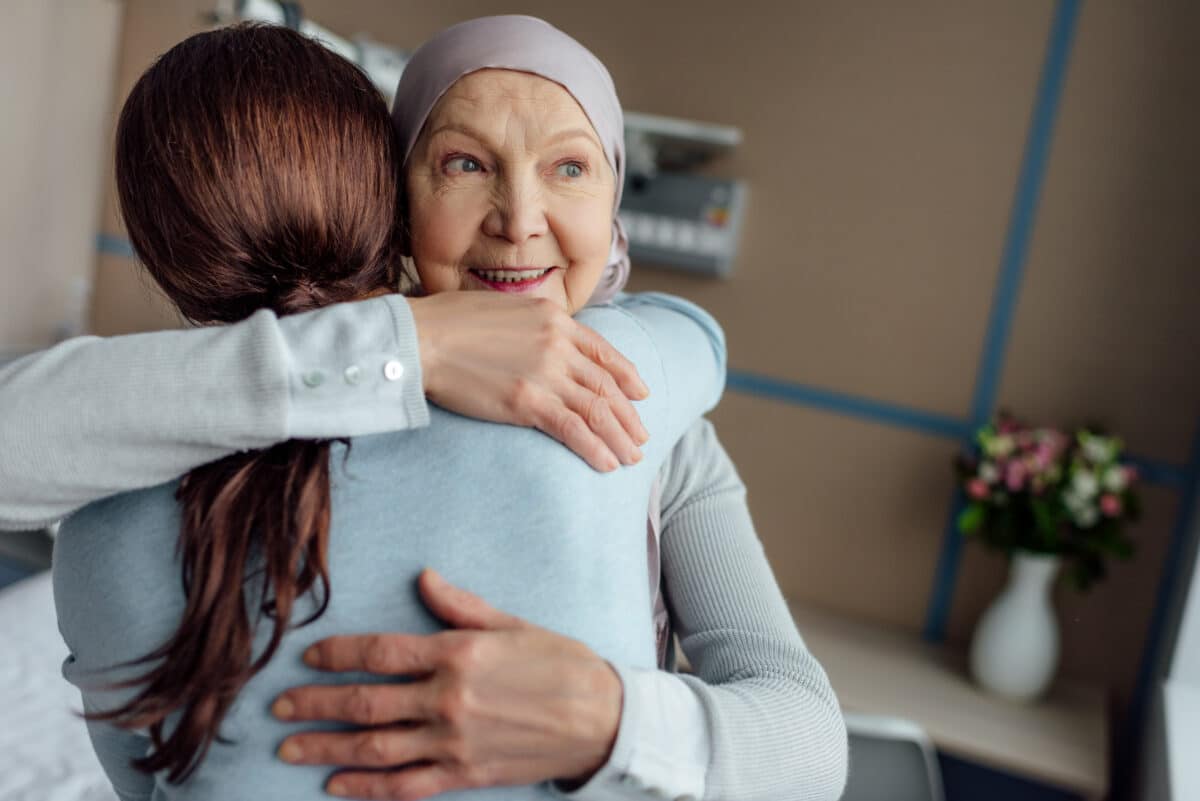
Caring for a Loved One with Cancer Hearing that a loved one has cancer can be overwhelming. In the days following a diagnosis, it is common to feel frightened, uncertain and unsure of what to do next. While every cancer journey is different, caregivers play an essential role in helping their loved one manage treatment, cope with side effects and maintain the best possible quality of life. Read more
20th Annual Katz Policy Lecture – Closing the Gap Older adults face growing financial challenges—but for women, the long-term impact of caregiving, wage gaps and workplace barriers can significantly shape economic security later in life. Read more
Caring for a Loved One with a Pacemaker A pacemaker is a small device implanted in the chest to help regulate an irregular heartbeat. For many older adults, it can significantly improve quality of life by reducing symptoms like fatigue, dizziness or fainting. While pacemakers are generally safe and reliable, caregivers play an important role in helping their loved one adjust and stay safe. Read more
Annual Katz Policy Lecture – Closing the Gap: Women, Caregiving, and the Fight for Financial Stability in Older Age Join us for Benjamin Rose’s Annual Katz Policy Lecture, Closing the Gap: Women, Caregiving, and the Fight for Financial Stability in Older Age, featuring keynote speaker Judith Kozlowski. This session is designed for professionals seeking a clearer understanding of the systemic factors influencing financial well-being in older age—and what can be done to address them. Read more
Why Bone Health Matters for Women as We Age Strong bones are essential for maintaining independence and mobility later in life. Yet millions of women face an increased risk of bone loss and fractures as they age. In the United States, about 10 million adults have osteoporosis and roughly 80 percent of them are women. Researchers estimate that about 40 percent of women over age 50 will experience an osteoporosis-related fracture in their lifetime. Read more
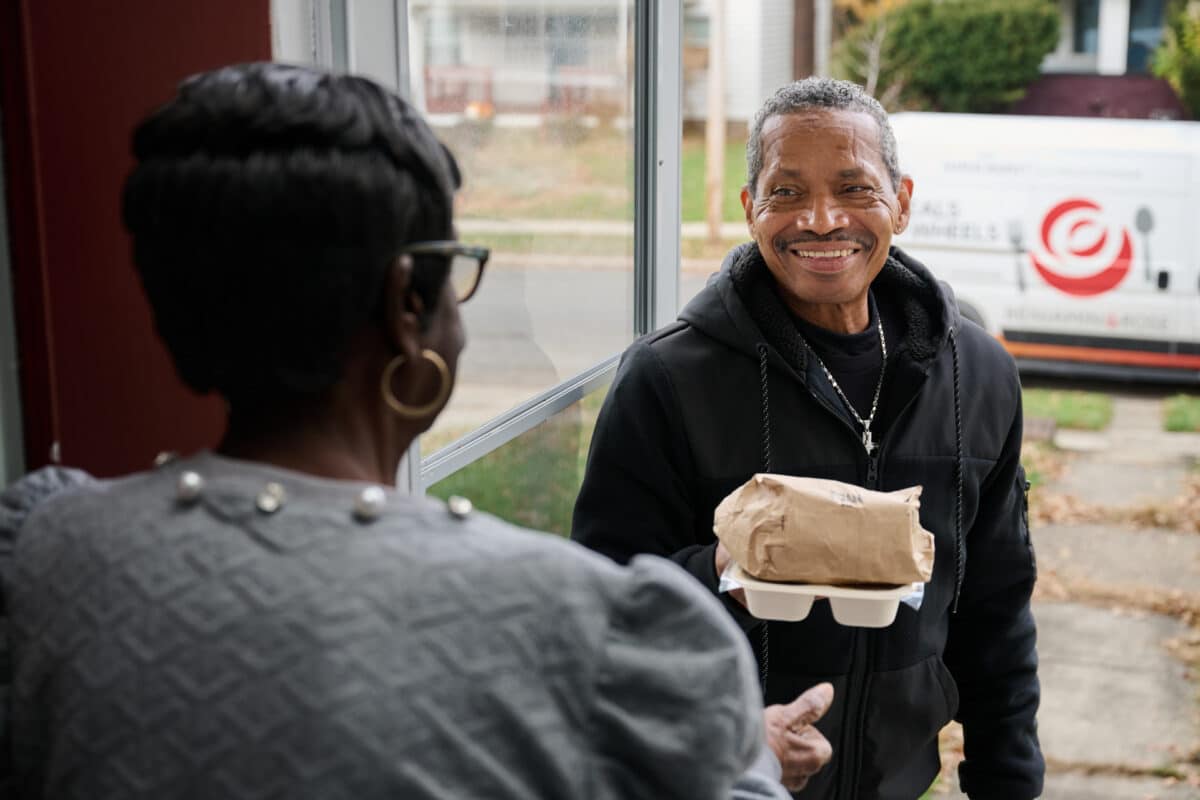
How Do I Know if Meals on Wheels Is Right for My Loved One? If you’re caring for an older adult, you may start to notice changes that make everyday tasks harder, including grocery shopping, cooking or preparing balanced meals. When this happens, families often ask the same question: Is Meals on Wheels the right solution? Read more
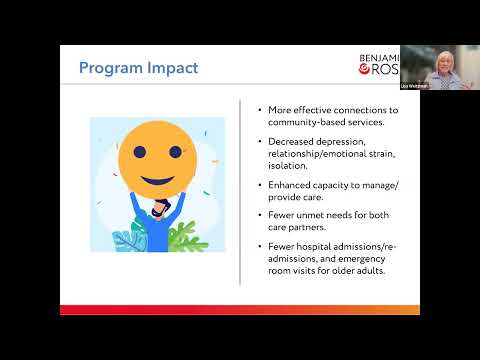
What is Care Navigation and How is it Changing the Landscape of Care for Older Adults? Everywhere you turn these days it seems there’s more talk about Community Care Navigation, and how health systems are working with community-based organizations to extend their reach outside of their facilities. It’s about time! Care Navigation programs have been around for 20-plus years and proven time and again to decrease healthcare costs through reductions in ER visits, hospital readmissions and physician visits. Plus, they improve patient care! Read more
Ask The Expert- Managing Incontinence: Empower Yourself with Confidence and Control Incontinence can be a frustrating and debilitating problem. Estimated to affect as many as 50 percent of adults over 60, it can put a strain on the independent daily activities and create significant emotional distress. Read more