How to Handle Advance Directives When a Loved One Has Dementia Advance directives—legal documents that allow one to express their end-of-life wishes regarding finances and medical care—are important for all of us to consider as we age as a way of retaining decision-making authority no matter what happens to us. However, end-of-life can be a very difficult thing to confront. Even though advance directives are designed to help us protect our wishes and the futures of our loved ones, it's easy to delay making them until a health crisis happens. But what if that health crisis is dementia? Read more
Why Assessment is More Effective When It’s Conducted Over Time Many people take the term “assessment” to be the first phase of a diagnostic or treatment program. But in the case of a comprehensive, long-term caregiver support program, assessment is actually much more effective when it’s treated as an ongoing process. Through multiple clinical trials conducted with BRI Care Consultation, Benjamin Rose Institute on Aging’s evidence-based care-coaching program, we've learned that it takes time to identify and uncover all the areas of need within a caregiving environment, and that many needs are missed when using a one-and-done assessment model. Read more
3 Ways Older Adults Can Stay Healthy In The New Year As we head more into the new year, this tends to be a time of reflection and improvement for most older adults. While it’s no mystery, improving your health seems to be the most popular area of concentration for everybody. When starting to write your next chapter, being healthy makes it easier for you to do so in the best way possible. Whether you have your goals locked in or you’re still searching for a plan of attack, here are three ways you can stay healthy throughout all of 2023. Read more
Useful Items to Have in the Home When Caring for a Loved One with Dementia “Dementia products” are intended to make life easier for a person with dementia and their loved ones. Some of these products can indeed be helpful. However, often they go unused or hold interest only briefly. Before you jump in and try or buy something, do a little advance thinking about what your loved one's needs are, and what useful items you may already have in your home. Read more
White House Conference on Hunger, Nutrition and Health Please join us to examine the White House Conference on Hunger, Nutrition, and Health. In partnership with the Elder Justice Coalition, we discuss the newly released national strategy on hunger, nutrition, and health which describes the current landscape and provides strategies to drive solutions to end hunger and increase the health of people in the United States. Read more
Preventing Caregiver Burnout: Creating Your Self-Care Plan It is essential to understand how stress leads to compassion fatigue and possibly burnout, and that health and well-being through self-care is a vital solution. In this webinar, Courage to Caregivers reviews the components of stress and self-care: (1) what exactly is self-care, (2) what is well-being, (3) understanding stress and its effects; (4) how to plan, prioritize and make time for self-care, and (5) busting the myth that self-care is selfish. Read more
Helping an Older Loved One Maintain Good Oral Health When caring for an older loved one with a chronic health condition or serious health concern, you most likely take them to regular appointments with doctors or specialists to assure that they are healthy and in the best possible condition. But with all these important appointments to manage, do you remember to bring your loved one in for a biannual appointment with their dentist? Though oral health may seem like a smaller concern compared to taking care of a loved one’s chronic health condition or other health issues, a healthy mouth can play an important role in their overall wellbeing, self-image and nutrition. Read more
Busting 4 of the Common Myths About Dementia Though around 6 million individuals in the United States have a diagnosis of dementia, there are still many things that are not fully understood about the causes of the disease and how it can be better treated or even prevented entirely. There are also things about dementia that are commonly misunderstood. Stereotypes and broad generalizations about the disease can easily spread and become “fact” in the minds of the general public, ignoring the fact that dementia represents many different diagnoses and experiences, and cannot always be summed up in simple terms. Read more
How the Care-Coaching Model Empowers Caregivers Providing care for an older family member or friend isn’t something most people are prepared to do. Many individuals who find themselves in a family caregiver role weren’t expecting to take on such responsibility, and they often lack the time, knowledge or tools to do everything they feel they need to do. Read more
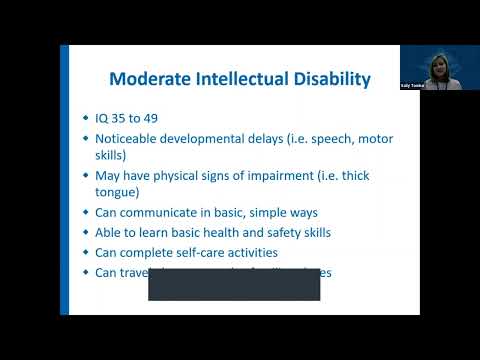
End-of-Life Decisions for Individuals with IDD and Dementia This webinar, led by the Hospice of the Western Reserve, assists caregivers in identifying the value of and barriers to recognizing end-of-life in older adults and individuals with Intellectual and Developmental Disabilities (IDD) and dementia. It also emphasizes the importance of Advanced Care Planning for caregivers, and provides tips for healthcare professionals to aid in end-of-life discussions. Read more