Update on the status of effective programs to help dementia family caregivers in the U.S.: Observations from the search for programs to include in Best Practice Caregiving Although many programs to help family caregivers of people with dementia have research-based evidence of effectiveness, they are not available in most US communities and caregivers have difficulty finding the kinds of assistance they need. One reason for this problem is that healthcare and community organizations as well as funders that might provide or pay for one or more programs are not aware of them. Until now, there was no readily accessible source of information providers or funders could use to select programs that fit their organizations’ mission and resources. Best Practice Caregiving, a free, searchable database of comprehensive information about effective and feasible programs was released in early 2020. In this chapter, we describe our search for programs to include in Best Practice Caregiving, discuss our resulting observations about the current status of such programs in the United States, and identify several difficult issues that continue to interfere with increased awareness, availability, and use of the caregiver support programs. Read more
The Need to Add Caregiver Support to Your Employee Benefits Plan: Lessons Learned from COVID-19 The COVID-19 pandemic has certainly exposed gaps in access to needed community-based supports for many people, and terms such as “social isolation” are now a part of the daily vernacular. Families continue to struggle with balancing full-time employment with care for older loved ones and children who are suddenly learning from home. The spotlight now shines brightly on the plight of those who are truly sandwiched in the middle. The questions are: why does it matter and what can we do as employers? Read more
Preparing Your Home for Hospice If the loved one we care for is in the advanced stages of a disease and we’ve decided that we would like them to be in as much comfort as possible in familiar surroundings, home hospice may be the right choice. However, arranging a loved one’s home or our own for a hospice stay takes some thought and preparation. We likely don’t want the place to look like a hospital, but we need to have all of the necessary equipment the loved one we care for requires. Read more
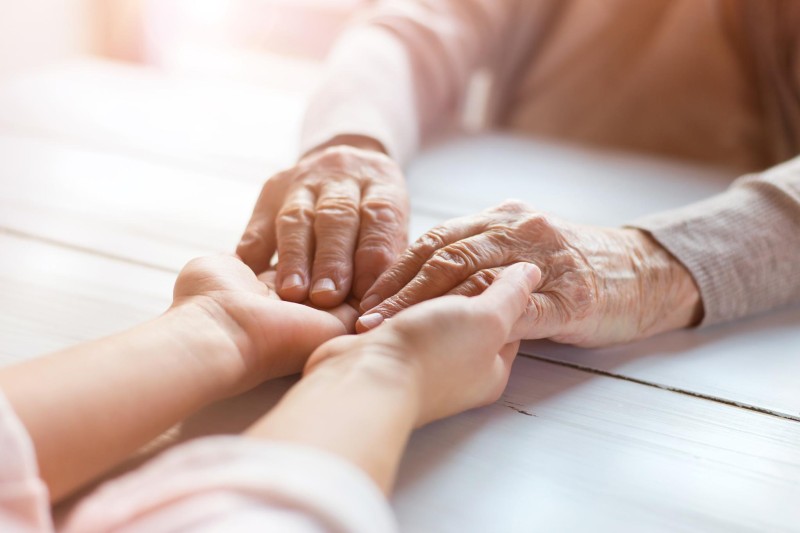
Coping Strategies for Caregivers After the Death of a Loved One Everyone grieves in their own way after the death of a loved one. There is no normal timeline for grief. We may feel sadness, frustration, guilt or even failure and anger. We may want to be loud or quiet; alone or surrounded by community. We may experience insomnia, loss of appetite or even have difficulty breathing. There are a lot of normal reactions to grief, both physically and mentally. We should give ourselves permission to express our grief however we are feeling it, whenever we are feeling it. Grief is messy, but as we navigate the grief of losing a loved one, it is important to connect with resources that can help us through this time. Read more
Preparing for Taking on Caregiving Responsibilities When preparing for big life events, many families like to come up with a plan. But when it comes to caregiving, many families are not as proactive, even though over 34 million Americans provide unpaid care to an adult age 50 or older. In fact, many families wait until a crisis happens to begin important discussions, which can leave them scrambling to figure out care options. When planning for our future caregiving responsibilities, or preparing our loved ones to take on our own care as we age, we should hold discussions about finances, as well as values and preferences to help develop a successful caregiving plan. Read more
The Financial Fatigue of Caregiving Are you feeling the financial strain, or emotional and physical stress that comes along with caring for a loved one? This workshop will give you the tools needed to alleviate those stressors and help you to navigate your way around the additional expenses that caregivers endure. Read more
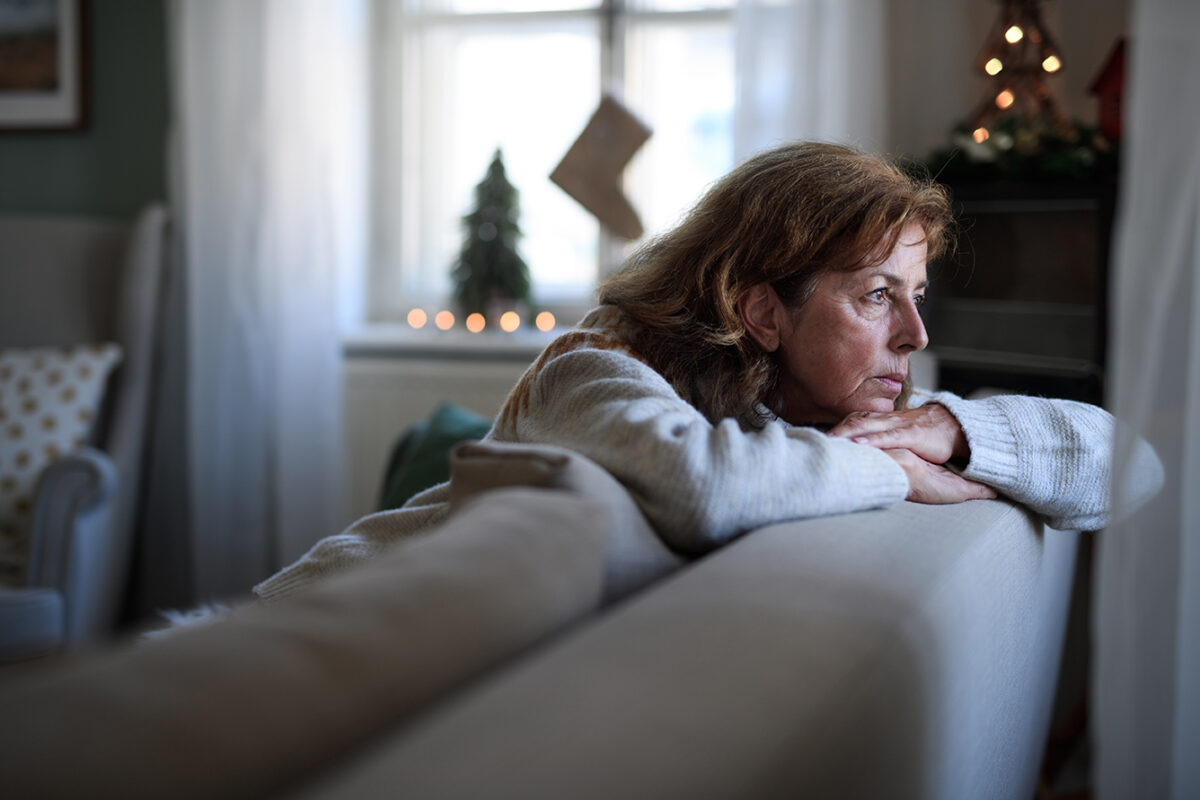
Social Isolation and the Holidays During the COVID-19 Pandemic Isolation has been a common theme of the COVID-19 pandemic. From the early days, we were encouraged to “socially isolate,” and while doing so is challenging for many of us, it is still considered to be a positive action for the good of our communities. But social isolation has a negative side, one that has existed long before the pandemic. Read more
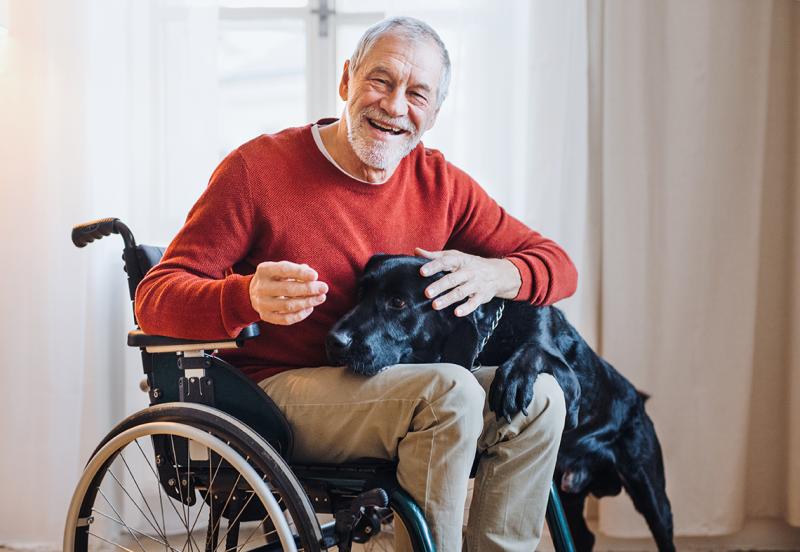
Caring for Your Older Loved One’s Pet When the loved one we are providing care for has a pet, chances are we will provide care for their pet as well. While this can add to the time we spend and amount of tasks we manage as caregivers, it can also provide us opportunities for self-care and a way to begin difficult discussions with a loved one. Read more
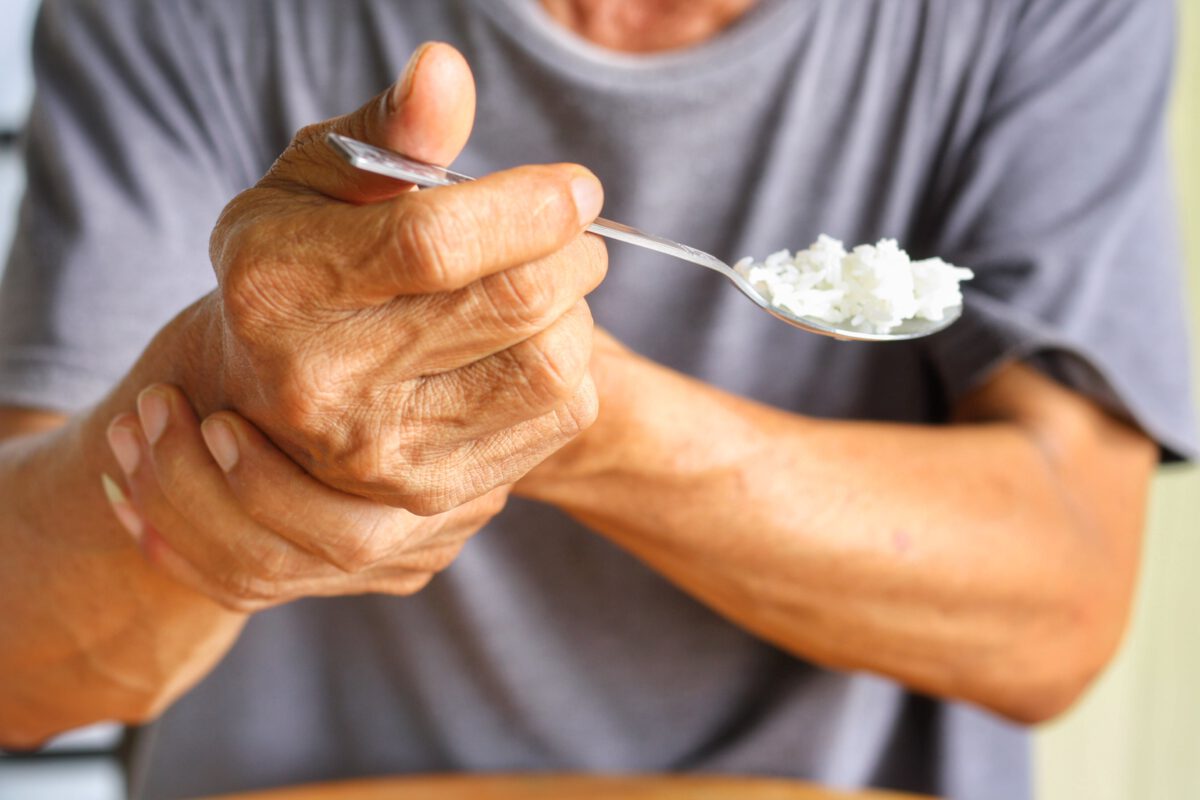
Parkinson’s Disease: Recognizing Your Loved One’s Symptoms and Receiving a Diagnosis According to the Parkinson’s Foundation, more than 10 million people worldwide are living with Parkinson’s Disease, and around 60,000 Americans are diagnosed with the disease each year. Although it is the second most common degenerative neurological disorder after Alzheimer’s, many people are unfamiliar with the signs and symptoms, or confuse them for parts of the natural aging process. If we are caring for an older loved one, it’s important to recognize and understand Parkinson’s so we know when to begin seeking a diagnosis and how to better manage a loved one’s symptoms and care. Read more
4 Tips to Help Older Adults Stay Active in the Winter This winter will be an atypical one in many ways due to the COVID-19 surge limiting our ability to get outside, along with the usual concerns of cold and flu season and severe weather. However, even during more traditional winters than this one, the temptation to stay in bed and hibernate like bears until the warm weather comes back is hard to overcome. After all, when “the weather outside is frightful,” what’s better than relaxing in front of a delightful fire? Read more