4 Memory Boosting Brain Exercises for Older Adults Most of us know that physical exercise is important to keep the body healthy and strong, but what we may not know is that our brains also benefit from exercise. Keeping our brains active and alert can often be essential to our wellbeing as we transition into older adulthood. Read more
Creative Activities Older Adults Can Do from the Comfort of Home The ability to be creative and express oneself is something that is not limited by age. Even if we’ve never participated in the arts previously, it’s never too late to learn! The benefits of creative aging do not always depend on our ability and skill level, but instead on how we use the opportunity to express our feelings. Read more
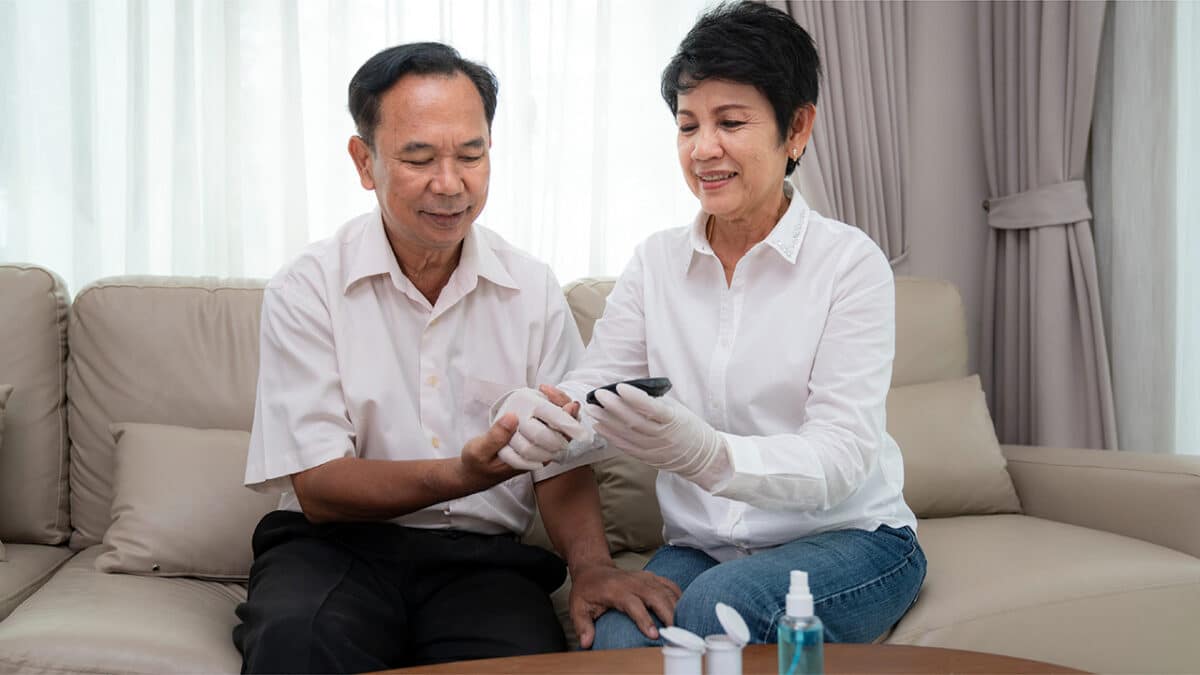
Diabetes and Hypertension as Risk Factors for Kidney Disease in Older Adults For older adults, the risk for kidney disease especially critical as studies show that diabetes can increase with age due to factors such as obesity, decreased activity, hypertension and insulin resistance. Because of medical advances in the treatment of diabetes, patients with the disease are living longer, thus leading to more diabetes-related complications, such as kidney disease. Read more
Why Won’t My Parents Just Stay Home?: Older Adults and COVID-19 Restrictions Older adults as an age group have been particularly resistant to changing their behaviors in response to the COVID-19 pandemic. So often faced with age-related limitations on what they can do, they fight back against what others tell them to do, even if it is in their best interest. Moreover, at the end of the day, they many not see themselves as high-risk because they simply do not perceive themselves as “old.” Read more
How to Keep an Older Loved One Supplied with Necessities during the COVID-19 Pandemic With staying at home and practicing social distancing being recommended as two of the most important methods of “flattening the curve” and keeping safe during the current COVID-19 pandemic, most of us have had to rethink the ways we go about our day-to-day lives. Even basic trips to the convenience store or supermarket involve new levels of preparation and caution than before. This can be an additional challenge for those who have to think about providing for a vulnerable loved one, whether they are caregivers or just taking on a bigger role to assist their loved one and keep them safe at this time. Read more
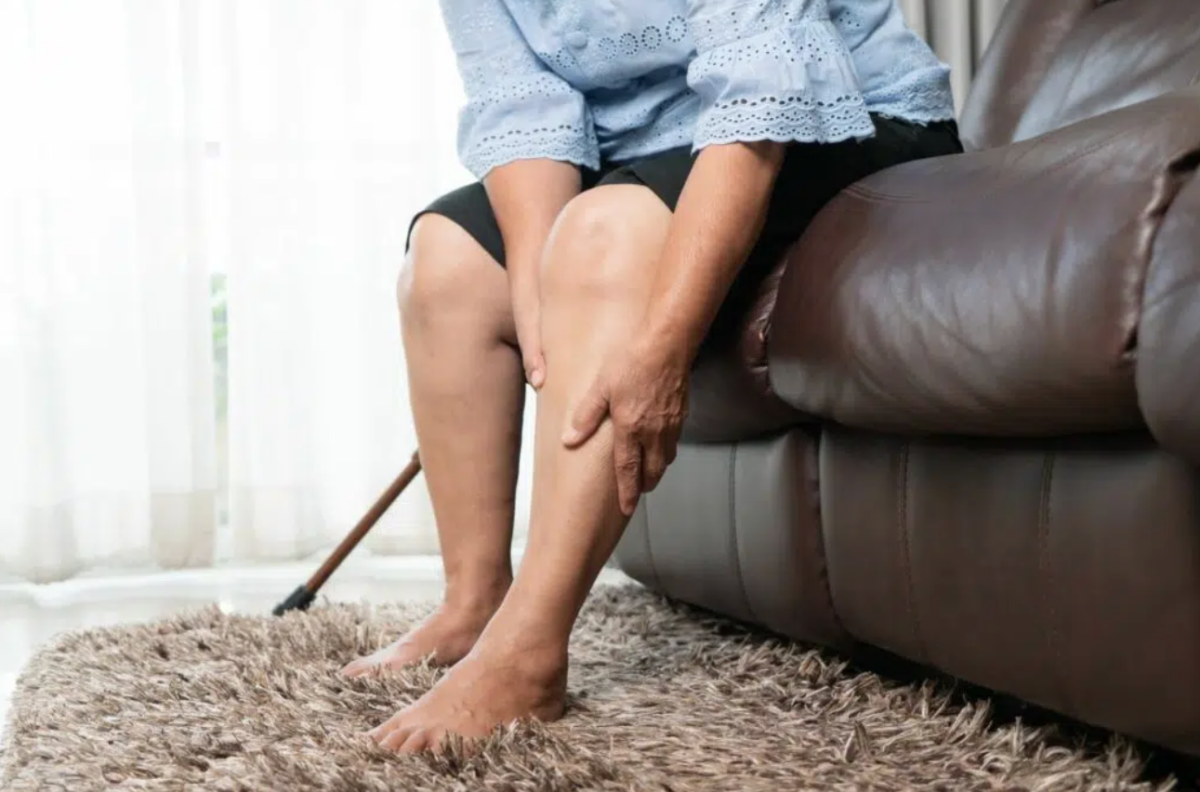
Quieting Restless Leg Syndrome: Caregiver Tips Restless Leg Syndrome is usually diagnosed in people over the age of 50, and it affects an estimated 10 percent of older adults. Many with the condition view their restless legs as nothing more than an annoyance, and neglect to tell their doctor about their discomfort and let it go untreated. For others, the condition may disappear for a time for no apparent reason only to recur a few months later. If we are a caregiver of a loved one with RLS, knowing more about the disorder can help us understand what they are going through and explore different ways to help them find relief. Read more
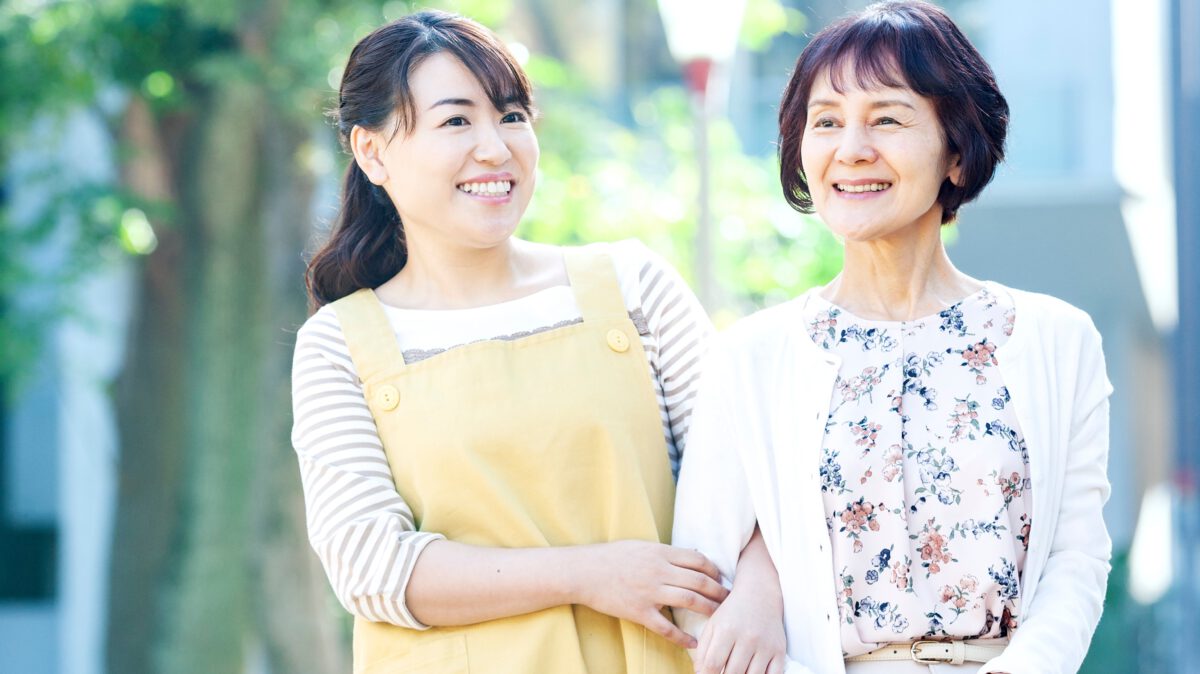
Solutions for Millennial Caregivers: Life Doesn’t Always Have to be This Hard In many situations, it is easy to identify problems, but far more difficult to identify possible solutions. The caregiving challenges faced by millennials are no different. We may know the statistics, such as that millennials now represent 10 million of the current caregiver population, with 73 percent juggling their caregiving responsibilities with at least one other job. We may know the impact on their physical, financial, emotional and relational health. Caregivers are forever instructed to “manage their stress.” But what can millennial caregivers actually do to ease the burden that they carry each day? Read more
Recognizing COVID-19 Scams As COVID-19 impacts lives around the world, we may feel vulnerable, confused and in need of information, whether on how to keep ourselves and loved ones safe, or how to help support the doctors and nurses who work tirelessly to save lives. Sadly, the uncertainty of the times has also given rise to people who seek to take advantage of this vulnerability and confusion through scams, misinformation and false promises of cures and treatments. Our older loved ones may be particularly vulnerable to these scams as well. According to the Federal Trade Commission (FTC), adults over the age of 60 lose money to scams at twice the rate of people between 20 and 59. Read more
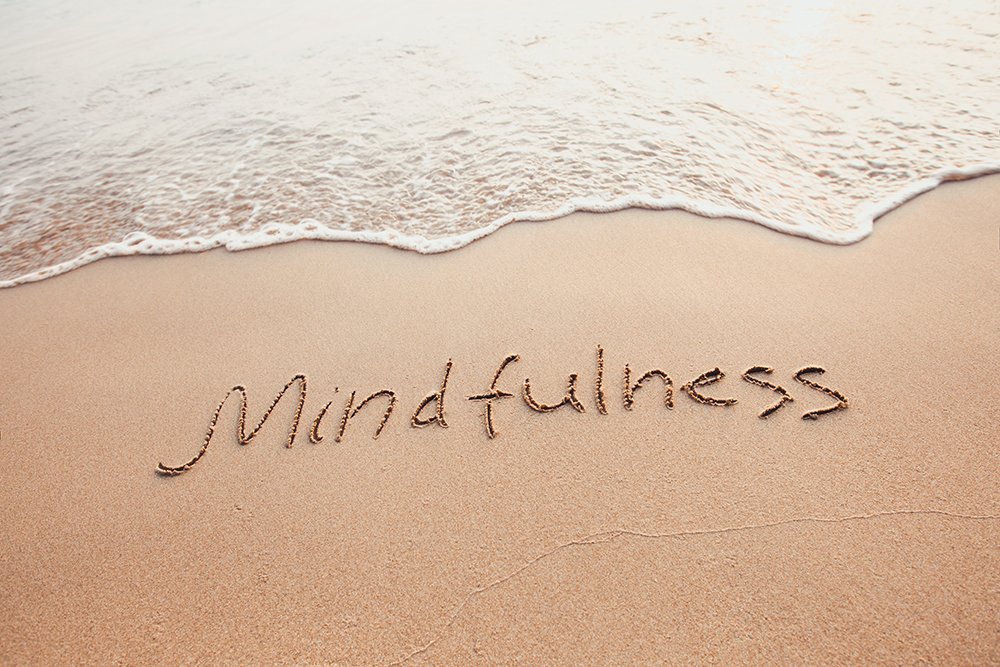
Practicing Mindfulness as an Older Adult There’s no question that caring for our physical health is one of our most important concerns as we age. But maintaining physical wellness comes with concerns and sources of stress that can leave us feeling worse for wear. Whether it’s a disheartening doctor’s appointment or worries about flu season, our stress can start to impact our overall wellness, and the strain on our mental health can put strain on our physical health. But how can we cope with stress, when it feels like such an inescapable part of daily life? Read more
Community Eldercare Ecology in China Informed by the social-ecological framework, this book focuses on the development of Home and Community Based Services (HCBS) in urban China. Bringing a timely discussion around HCBS development in Shanghai, it presents an interplay of formal caregiving relationships, evolving caregiving culture, and the trajectory of long-term care in China. Drawing on surveys, in-depth interviews, and government archives, this book explores the emergence of one of the most developed HCBS programs in Shanghai, its development over the past decade, its administration and services, resource allocation, staff members’ work experiences, older adults’ service experiences, as well as service evaluation and improvements. Offering fresh insight into new forms of caregiving in community settings, and shaping a new discourse on caregiving policy, this book is a key read for both students and practitioners in the fields of long-term care, gerontology, geriatrics, health care, and health policy. Read more