Understanding the Role of a Geriatric Care Manager in Elder Care Those of us who provide care for a loved one have probably heard the term “Geriatric Care Manager” on a regular basis. However, even though the phrase is a familiar one, we may not know exactly what one is since it’s a relatively new profession in the field of eldercare. A geriatric care manager is a licensed professional, often a nursing or social work specialist, with expertise in geriatrics. Families hire them to evaluate their loved one's needs and coordinate care using community resources. This profession proves particularly valuable when families live far away or are unable to manage all caregiving responsibilities themselves. Geriatric care managers can act as "professional relatives" supporting the family. Read more
Simplifying Personal Care Routines for People with Memory Loss As memory loss progresses, it can become increasingly difficult for older adults to manage many personal care activities. It takes longer for them to get dressed, groom themselves, take a bath and use the toilet. Busy caregivers sometimes decide that it's easier and faster to take over personal care tasks themselves. As a result, their loved one may gradually lose some of their independence and ability to manage their own care. The easiest way to help your loved one retain independence in their personal care is to keep things simple and find ways for them stay involved in the process while still offering your help. Read more
How Caregivers Can Help Older Adults Retain Independence Lack or loss of control can be a very frustrating feeling, and it’s one most people have to contend with as they age. A natural reaction to loss of control is resistance. However, for those of us who are caregivers, that resistance can make providing the support a loved one needs challenging. It can feel like having to do daily battle against a loved one’s stubbornness, and as frustration mounts, it can become easy to forget just how much personal freedoms mean to a loved one and how hard it would be for anyone—including us—to give them up. Read more
Useful Items to Have in the Home When Caring for a Loved One with Dementia “Dementia products” are intended to make life easier for a person with dementia and their loved ones. Some of these products can indeed be helpful. However, often they go unused or hold interest only briefly. Before you jump in and try or buy something, do a little advance thinking about what your loved one's needs are, and what useful items you may already have in your home. Read more
4 Tips for Getting the Most Out of Mealtime with Dementia Over time, people develop unique relationships with food – determining what they like and do not like. It is commonplace to have a favorite meal, type of food, place to eat, etc. Individuals living with dementia, however, commonly experience changes from their normal food habits. Depending on the person and what stage of dementia they are in, a loved one may show changes in things like appetite, eating habits, food preferences or swallowing ability. Read more
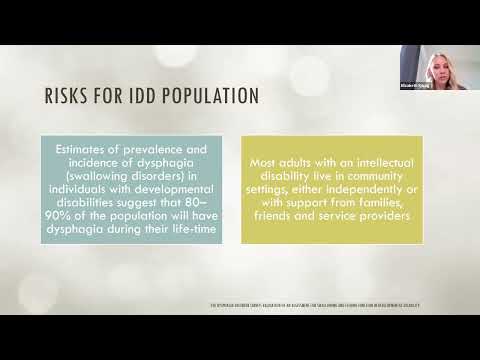
Making the Most of Mealtime: Eating, Swallowing & Dignified Dining for Individuals with Dementia & IDD Eating and food are at the center of many of life’s occasions, celebrations and moments together with loved ones. Of course, eating is also a necessity—we rely on nutrition and hydration to survive. But what happens to these important and essential moments when dementia affects a loved one’s eating? In what ways can a loved one’s ability to interact with food begin to change? This webinar explains some of the changes that may make mealtime challenging when caring for someone with dementia, and provides tips on how to set up the eating environment for successful mealtimes. It also focuses on swallowing disorders for individuals with dementia and intellectual and developmental disabilities, and how to balance safety concerns while ensuring a dignified dining experience. Read more
Maximizing the Environment for Individuals with Dementia According to the AARP, most Americans would prefer to stay in their homes until the end of their life. This statistic is no different for persons with dementia. Lack of safety and accessibility in the home are issues that need to be addressed so that individuals with dementia and their respective caregivers also have the ability to age in place. Occupational therapy professionals are trained health care providers that can provide formalized home safety assessments and recommend home modifications to increase safety and independence in the home. These efforts are also beneficial for community and business owners to consider and employ to further support individuals with dementia in the community. Read more
Helping an Older Loved One Living Alone with Dementia Many assume that older adults who live alone inevitably transition into assisted living when diagnosed with dementia, but this is not the case. Around one third of people with dementia live on their own, in their own homes. While it does not pose as many concerns in the early-stages of dementia, this arrangement may become increasingly risky in the middle- and late-stages. As a caregiver, you may feel pressure to move in with your loved one or vice versa, or else find them an assisted living arrangement, even if your loved one does not want to leave their home. Read more
What to Do if Your Loved One is Resistant to Home Health Care "I don't want anyone in my home"- How many of us have heard our older loved ones say something similar to this to justify why they refuse additional support – even when they know how much they could use it? Currently, it is easy to use COVID as an excuse not to bring outside people into the home. But what happens when we are all vaccinated, or the needs of our loved ones are greater than the family can handle alone? Read more
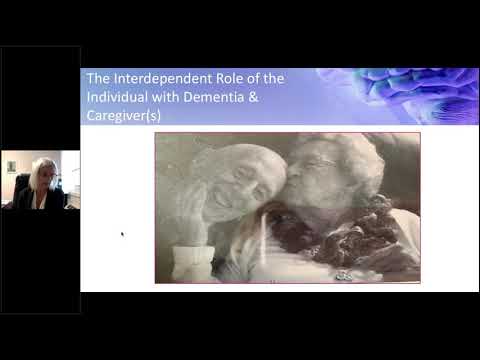
Can a Person with Dementia Live Alone? Recognizing the Need for Support If you are a family member or caregiver of a person with dementia, it can be difficult to decide whether a person who is living alone is actually in need of help. This webinar will discuss questions that caregivers can ask to help assess the situation and help them gauge when and where support is needed. Read more