Decision Making with Your Older Loved One: Choosing a Power of Attorney Agent Establishing a Durable Power of Attorney for Health Care or Finances can give loved ones the ability to control who makes important health care or financial decisions for them if their physician declares they are no longer able to make these decisions for themselves. Having a Power of Attorney is important because it assures loved ones have someone who can act on their behalf and, ideally, respect their wishes. Read more
Living Well with Arthritis According to the Arthritis Foundation, about 54 million adults have been diagnosed with arthritis. The first signs of arthritis usually begin around age 40 and progress slowly. Women over 50 are more likely to suffer from arthritis symptoms than men. Even dogs, cats and other animals can suffer from the pain of arthritis. Although there is no cure for this disease, there are a variety of techniques and remedies we can use to manage a loved one’s pain and help them maintain an active lifestyle. Read more
Eating Well With Alzheimer’s Eating well is essential to good health, but when we are caring for an older loved one with a memory disorder, it may be challenging to be sure they have access to well-balanced and appetizing meals. It can be a struggle as well to ensure that they are eating these meals when they may be experiencing a loss of appetite or difficulty remembering and sticking to established routines as the illness progresses. As caregivers, it’s important for us to rise to these challenges and find solutions to prioritize nutrition and healthy eating in a loved one’s life as key element of maintaining their overall health. Read more
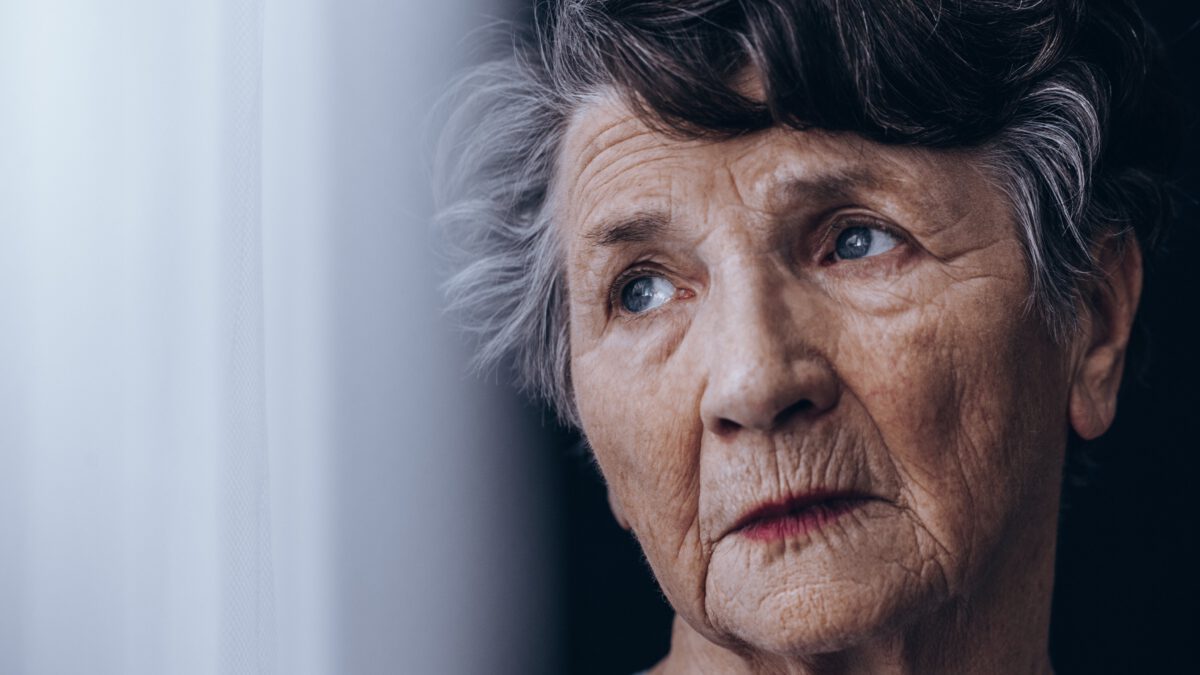
Holiday Blues and Older Adults The carols tell us that winter “Tis the season to be jolly,” but this can often be easier said than done. Many people get the holiday blues, and older adults are no exception, especially if they have recently received difficult news or are struggling with their health. The holiday season can often trigger memories of loved ones who have passed away as well. When a loved one is feeling blue, it is more important than ever for us to rally around them, help to contribute a positive atmosphere and find ways for them to create fresh and happy memories. Read more
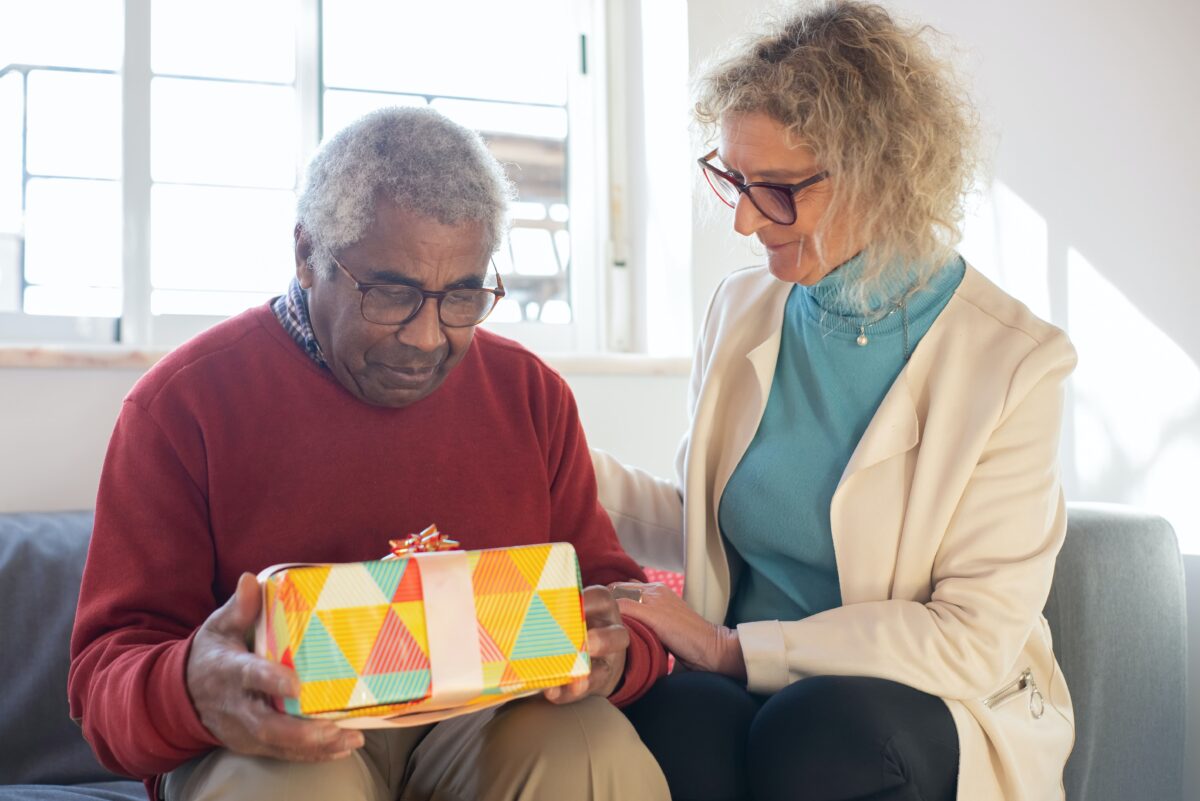
Holiday Gift Giving Tips for an Older Loved One When we're considering gifts for our older loved ones for the holidays, being creative in our choices can help us select a gift with special meaning and value to them. Many older adults have accumulated years' worth of personal possessions, so we don't want to add to the clutter. With a little imagination, we can instead come up with the perfect gift to fit their needs, whether they could use assistance around the house or new ways to stay active. Read more
Aging in Place: When is the Right Time to Right Size? Deciding whether to continue to live in the home we have lived in for decades is a difficult decision. Not only are there financial considerations to think about, but we also need to factor in health and safety issues, such as whether our home can be easily navigated as we age. If we are caring for an older loved one, we may wonder if the home they’re in right now is still right for them based on the changing needs of their health and care. As the holidays approach and family comes together, it may be the right time to have the “Right Sizing” conversation with a loved one that could open the doors to knowing if it is the right time for them to move. Read more
Can You Actually Buy Happiness? Reflections on Emotional Spending Have you ever felt down and out – and then headed to the mall? Have you ever felt overwhelmed, angry, or isolated – and then cheered up with a purchase on eBay? Do you use shopping as a way to celebrate an accomplishment or recover from a disappointment? Have you ever subscribed to the idea that shopping is a stress-relieving therapy and even cheaper than a visit with a psychiatrist? If so, did shopping in those moments actually make you feel better in the long run? Read more
Millennials, the New Generation of Caregivers For years, millennials have been regulars on the news for supposedly “killing off” mainstays of industry and culture, from homeownership to buying once standard items like napkins, breakfast cereal and diamonds. But one thing that millennials can’t be accused of killing off? Unpaid caregiving. Every year, more and more millennials step up to take charge of caring for a loved one, providing physical, personal and emotional care and support, often while attending school, working one or more jobs, taking care of young families and navigating student loan debt. Read more
Using Resources to Help Choose Home Care Home health care agencies can provide care to a loved one right in his or her own home. They offer a wide range of services such as physical therapy, occupational therapy and skilled nursing care. Receiving care in the home still offers the same effective care one would receive in a hospital or nursing facility, while typically being more cost-effective and convenient. Finding which home health agency to use for a loved one can be a daunting task. However, there are resources out there that can help ease the stress of finding the best home health care for a loved one. Read more
Tips for Connecting with a Senior Center Senior Centers are a vital community resource for older adults, providing a wide variety of programs, services and supports, and enabling older adults to remain active and engaged, while combating social isolation and loneliness. The National Council on Aging (NCOA) reports that “Today, almost 10,000 senior centers serve more than 1 million older adults every day.” It can be intimidating or challenging to initially connect with a senior center. Here are some practical tips to get started. Read more