The Impact of Alcohol Consumption on Older Adults and How Caregivers Can Help In many cultures, alcohol consumption is so engrained in social rituals that not drinking seems much stranger to people than frequently drinking. However, alcohol is never without its risks, and this is especially true for older people. Older adults are much more vulnerable to the adverse effects of alcohol than younger people due to age-related changes to their bodies, medication interactions and other health conditions. And though reckless drinking is an issue most people associate with younger people, older adults, especially those in the 55-64 range, are more at risk of alcohol-induced deaths than any other age category, according to data from the CDC. Read more
Practical Tips for Aging in Place with Mobility Aids Aging in place with the support of mobility aids requires a holistic approach that encompasses understanding the challenges, selecting the right aids, making essential home modifications, creating a age-friendly living space, and utilizing caregiver assistance along with financial and community resources. By implementing these practical tips, older adults can maintain their independence and quality of life in the comfort of their own homes. Read more
Navigating the Path: A Guide for New Dementia Caregivers Becoming a caregiver for a loved one with dementia is a profound and, at times, overwhelming journey. It's a role that comes with many responsibilities and challenges, and requires careful planning. If you've recently become a dementia caregiver, here's what you can expect and some recommendations to help you along the way. Read more
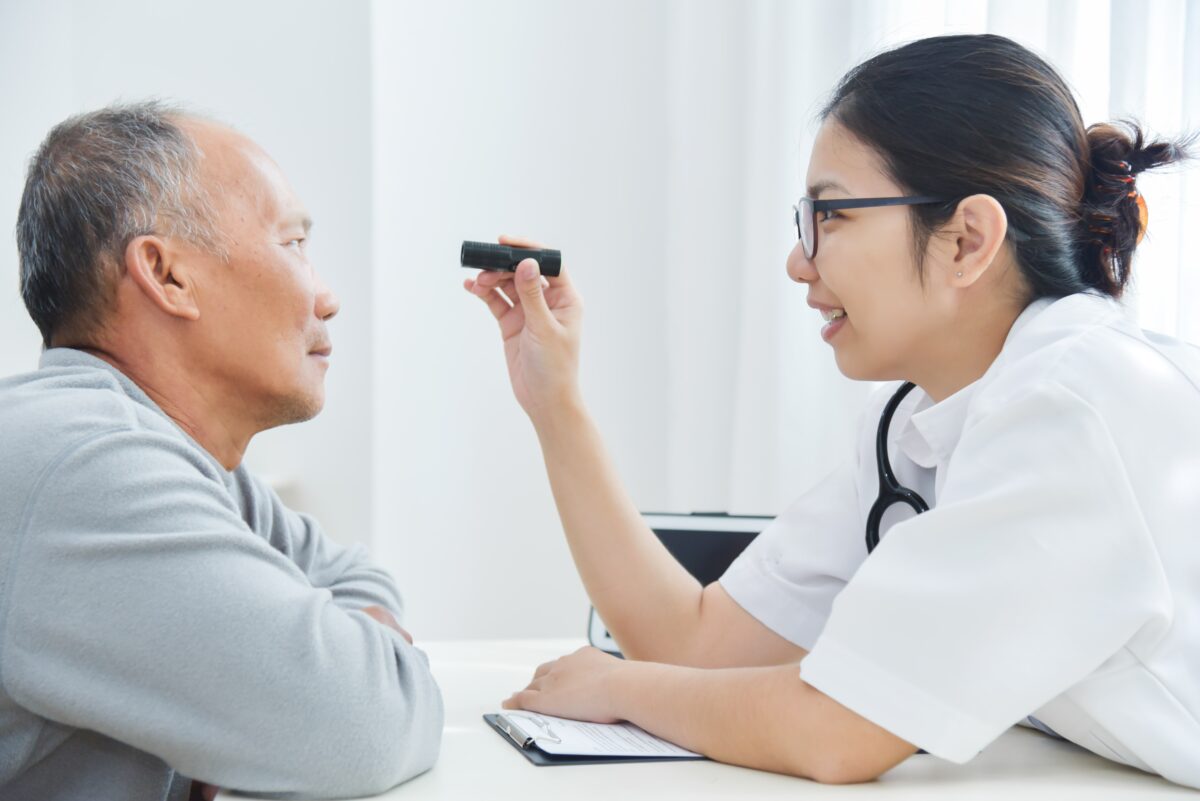
Understanding Glaucoma: A Guide for Caregivers of Older Adults Ensuring the well-being of older adults involves comprehensive care, and one aspect often overlooked is eye health. Glaucoma, a progressive eye disorder leading to optic nerve damage and potential blindness, is a significant concern, especially among older adults. As a caregiver, it's crucial to integrate glaucoma testing into the care plan, given its prevalence and potential severity. Read more
Navigating Strokes, from Recognition to Recovery The brain, despite weighing a mere three pounds, serves as the body's mastermind, orchestrating complex functions from speech to movement. But as hardworking as it is, the brain is vulnerable to internal injuries known as strokes or "brain attacks," placing both it and its owner at risk. Strokes, the third leading cause of death in the US, can occur at any age but are more prevalent among older individuals. Read more
Decoding Dementia’s Genetic Connections Dementia affects millions of individuals globally. While age, not genetics, is the primary risk factor, there's growing evidence that genetics can indeed play a role in determining an individual's susceptibility to certain types of dementia. Read more
Pet Friendly Senior Living: What Questions Should I Ask? In the United States, just over half of people ages 50 and older live with at least one pet, and studies have shown that companionship was the most common reason for owning a pet. Experiencing this bond with a pet can be a value that shapes an older adult’s choices, preferences and environment as they experience changes associated with aging. But if a time comes to transition to assisted living, how can you maintain that important bond with your pet? Read more
Challenging the Stigma of Dementia Dementia is a condition that affects millions of individuals and their families around the world. Yet, despite its prevalence, dementia remains overwhelmed in stigma and misunderstanding. In pop culture, dementia is often used as a punchline, or even an insult against older public figures. In day-to-day life, people who encounter individuals with dementia may become annoyed and frustrated, and try to avoid the situation, even if the individual needs help. The stigma can also affect caregivers: if a loved one with dementia is exhibiting strange or socially inappropriate behavior in public, for example, people may blame the caregiver for not “controlling” their loved one or make the caregiver feel ashamed or embarrassed. Read more
Why Health Literacy Matters for Older Adults Health literacy—the ability to access, understand and use health information—is a key part of living a healthy and fulfilling life, especially for older adults. After all, the more we understand about health, the more likely we are to recognize risk signs, take preventative measures against common diseases, make informed decisions about our own health and communicate more effectively with healthcare professionals. Read more
The Power of Memory Cafés for Dementia Care Most communities have plenty of gathering spaces available for people to meet up, chat, share a meal and take a break in a relaxing, supportive environment. But for people with dementia and their caregivers, finding a truly safe space out in the community can be a lot more challenging. Due to stigma and lack of knowledge, many people in the general public aren’t sure how to interact with someone with dementia, and even business owners may be at a loss to handle a situation where someone with dementia is distressed, or struggles to make a purchase. Aware of these challenges, caregivers may hesitate to bring a loved one into the community, unintentionally putting them at risk of social isolation. Read more