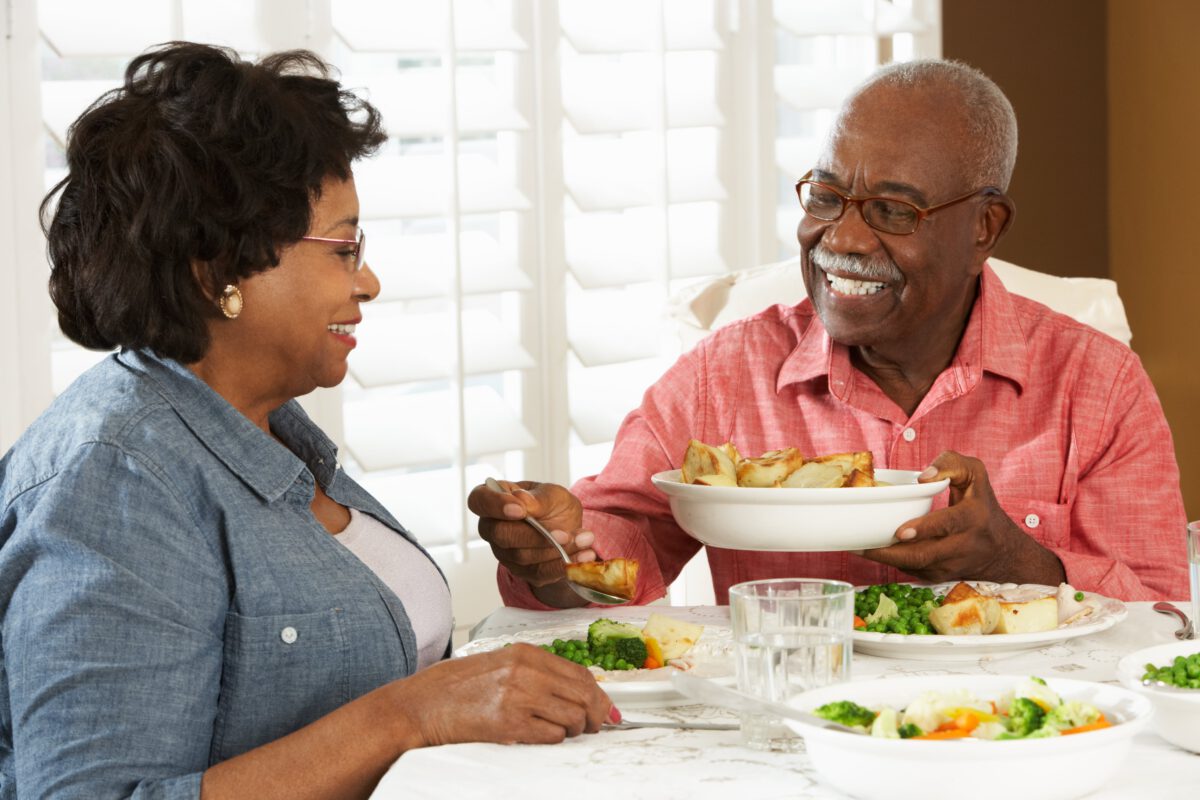
4 Tips for Getting the Most Out of Mealtime with Dementia Over time, people develop unique relationships with food – determining what they like and do not like. It is commonplace to have a favorite meal, type of food, place to eat, etc. Individuals living with dementia, however, commonly experience changes from their normal food habits. Depending on the person and what stage of dementia they are in, a loved one may show changes in things like appetite, eating habits, food preferences or swallowing ability. Read more
Family Caregivers are Stressed, Tired—and in Your Workforce Programs that provide support for employees serving as family caregivers are emerging as a critical employee benefit option, particularly as providers focus on addressing the full scope of emotional and mental health considerations. Read more
After a Hospital Discharge, Food is a Valuable Medicine When a loved one is discharged from a hospital stay, their doctor will likely give them medicine to help improve their condition so they can stay well enough to avoid having to return to the hospital in the future. As caregivers, we may have the responsibility of making sure a loved one is keeping up on their medication post-discharge. However, are we remembering to pay just as much attention to another source of medication necessary to their healing process: the food they eat? Read more
Fighting Caregiver Burnout with Resiliency Have you ever wondered why some people can seemingly cope with any life stressor while others seem to falter in the face of any adversity? Do you admire people who handle the ups and downs of the caregiving journey with apparent ease and grace and do not allow moments of failure to consume them? These individuals most likely have developed resiliency. The good news is that anyone can cultivate resiliency, too. Read more
From Caregiving to Widowhood: Balancing Grief and Wellness One of the biggest challenges of being a caregiver is coping with the fear of losing a loved one. When that loss becomes a reality, the effects can be devastating. Those who provide care for their spouses can have a particularly difficult time coping with grief, as they are losing their life partner, someone of central importance to their heart and happiness. Read more
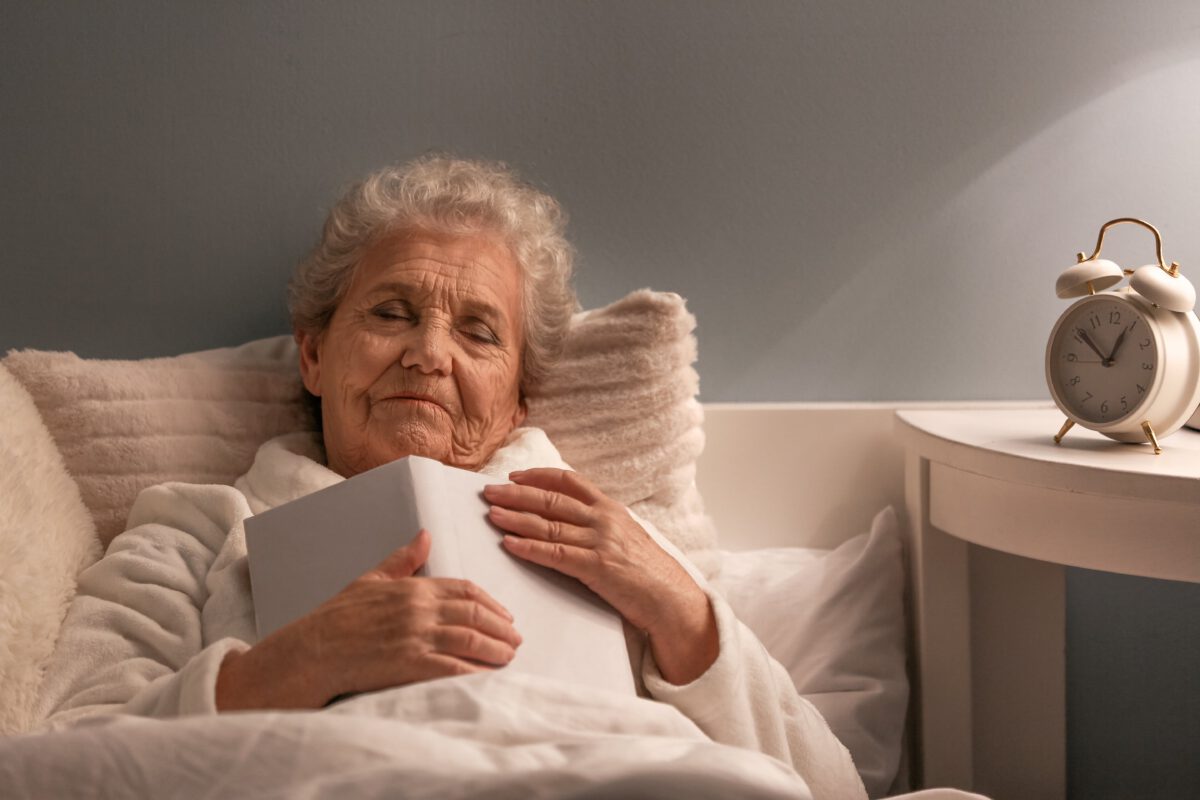
How to Handle Dementia-Related Sleep Disturbance Though dementia is most commonly associated with memory loss, it can touch many different aspects of a loved one’s life. One of the most challenging for caregivers is when a loved one experiences sleep disturbance—such as excessive napping during the day; insomnia; nighttime terrors and anxiety; and difficulty staying asleep without constantly waking up. Read more
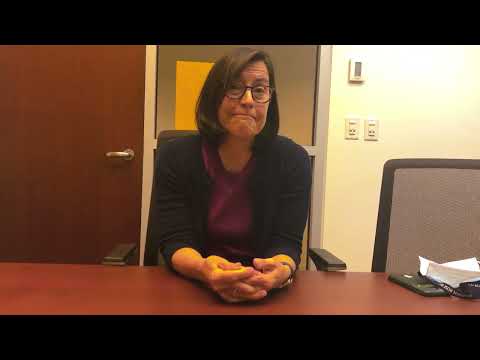
Encouraging an Older Loved One to Get Tested for Dementia Cathy Franz, LSW, a Care Consultant with Benjamin Rose Institute on Aging’s WeCare…Because You Do, discusses tips on how to encourage older loved ones with symptoms of memory loss to visit a doctor to get tested for dementia. Read more
Caregiving for Older Male Loved Ones Every caregiving journey is unique, and there are so many factors that can change the experience. Your loved one’s family history, age, diet and ethnicity are all things that can affect his or her wellness, while their temperament, ability to communicate, values and beliefs can all impact the smoothness of providing care. Biological sex can also play a role. Those who care for the important men in their lives—fathers, spouses, partners, brothers, uncles, grandfathers, and many more—may experience different challenges than those caring for women. Read more
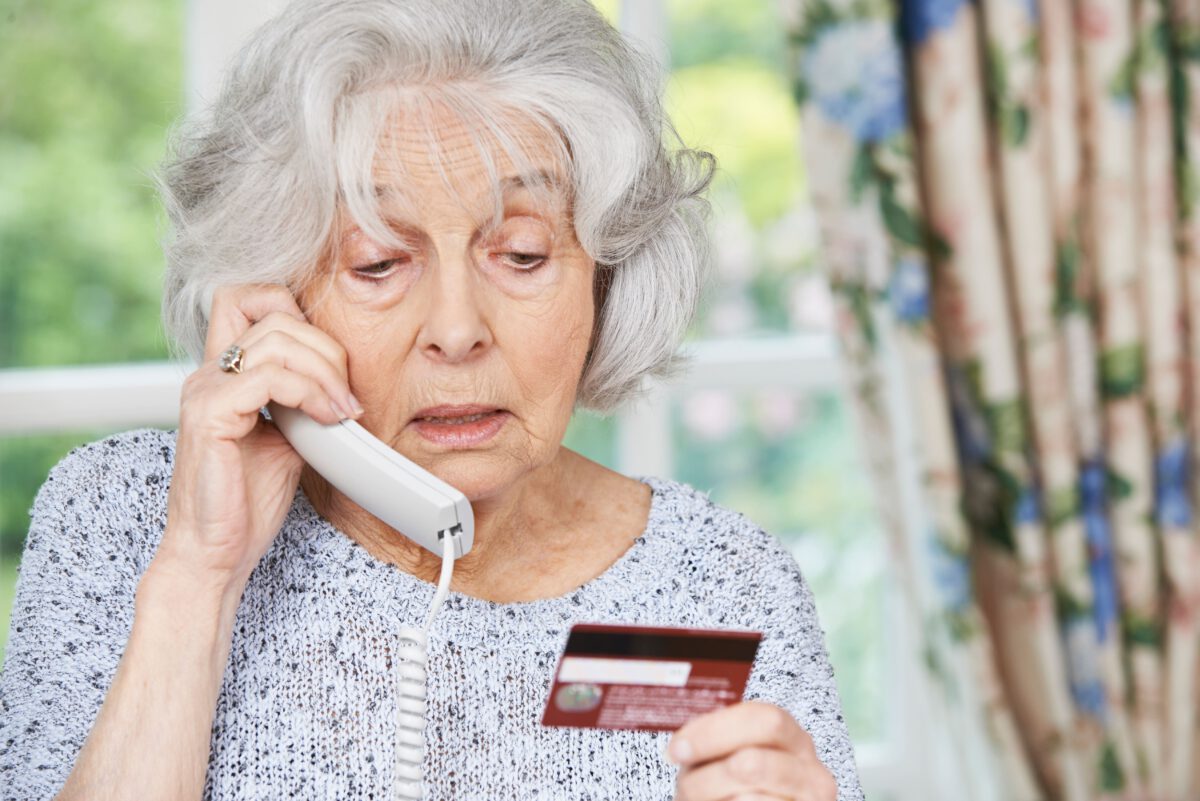
Keeping Your Older Loved One Safe from Grandparent Scams It’s an old stereotype that grandparents will do almost anything for their grandchildren—including opening their wallets more often than they probably should. If they hear their grandchild is experiencing a crisis, their first response is likely to do whatever they can to help them. Unfortunately, fraudsters are taking advantage of this natural impulse to help with a type of scheme known as a “grandparent scam.” Read more
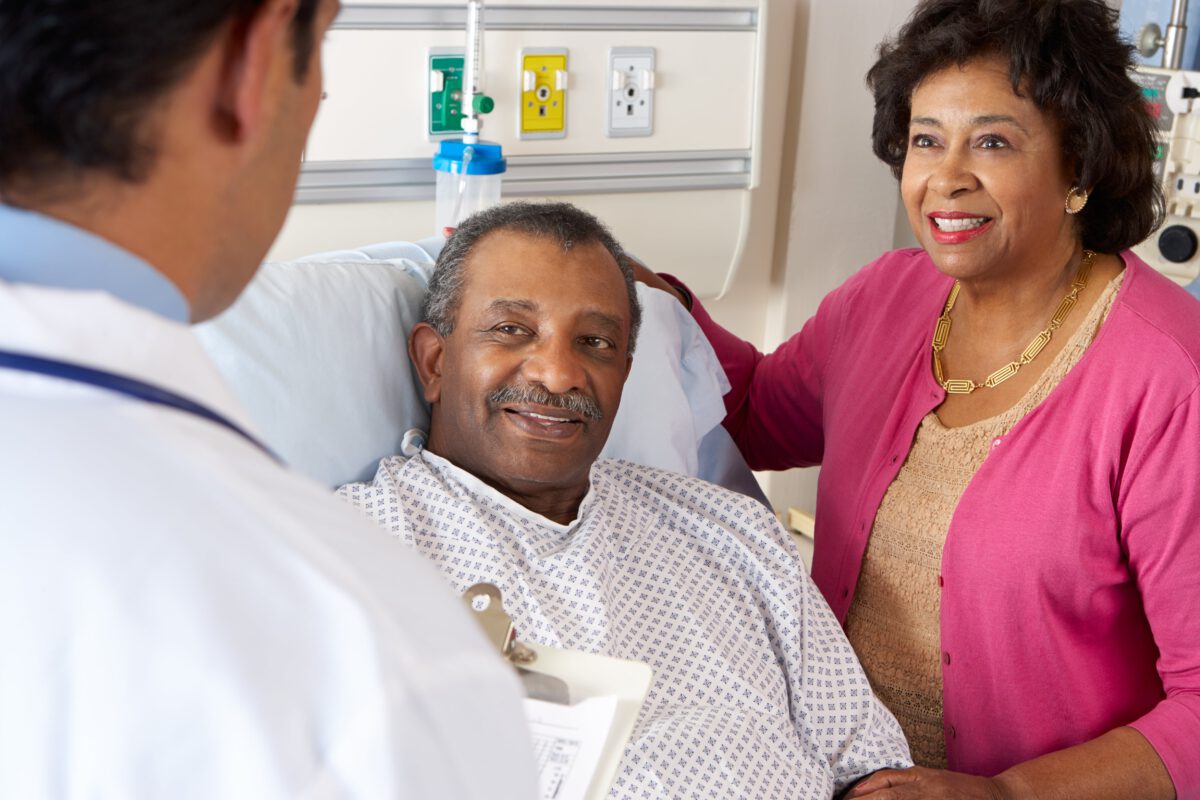
What to Know as a Caregiver Before a Loved One’s Hospital Visit As caregivers, we may encounter sudden changes in a loved one’s health or behavior due to a chronic illness or accident, like a fall. This can be especially worrisome if these changes occur in the middle of the night. We want to get them the help they need as soon as we can, but the first challenge may be trying to decide what is the appropriate place to receive care. Read more