Annual Caregiving Conference: Engaging Caregivers in Evidence-Based Programs The conference explores successes and challenges in the dissemination of evidence-based programs to family and friend caregivers. Keynote speaker, Erin Long, MSW, Team Lead, Alzheimer's Disease Programs Initiative of the Administration for Community Living, discusses experiences with engaging caregivers in programs and services, along with marketing strategies. Presentations also highlight experiences of organizations engaging caregivers and delivering evidence-based programs, including strategies to overcome barriers that keep caregivers from enrolling in support programs, and lessons learned through their marketing efforts. Read more
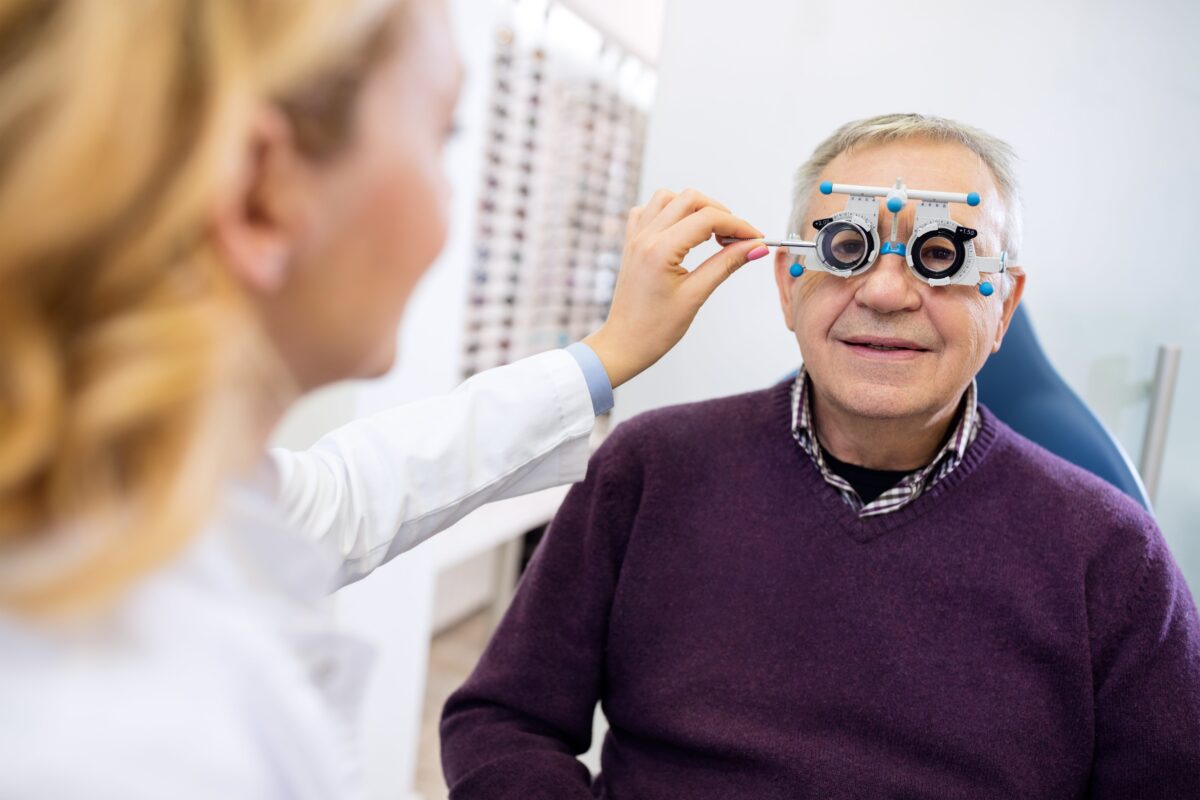
Helping Older Adults Live Well with Age-Related Vision Loss Changes in vision are common in older adults. According to statistics from the American Foundation for the Blind, over 6.1 million Americans aged 65 and older experience some form of vision loss. Loss of vision can be overwhelming for a loved one, especially since it can affect many different parts of life from the ability to drive safely to being able to take part in hobbies like reading or doing jigsaw puzzles. However, thanks to improved treatments and assistive devices, there are options we can explore to make it much easier for loved ones to preserve as much of their vision as possible and continue to live safely and independently at home. Read more
Stigma and Working Caregivers: Why Are We Afraid to Talk About Caregiving at Work? Caring for an older loved one or friend touches many of us. According to the Family Caregiver Alliance, one in six employed Americans report assisting with the care of an older loved one. Moreover, an estimated 10 million millennials are now a part of the caregiver population. So why are we still afraid to talk about caregiving while at work? The answer is stigma. Read more
Caregiving for Older Loved Ones through Natural Disasters For caregivers, preparing for and responding to the aftermath of a natural disaster comes with the additional challenge of protecting the safety and needs of a vulnerable loved one. This challenge can be compounded further by a loved one’s disability or illness. Whether we live in the South and need to prepare for hurricane season and flooding, live in the West and face earthquakes and wildfires, or live in the North and risk snow- and ice-related power outages, it is crucial for us to be proactive when taking care of a loved one during a disaster. A helpful way to stay prepared is by developing an emergency preparedness plan. Read more
Caring for Loved Ones with Intellectual and Developmental Disabilities and Dementia Caring for a loved one with intellectual and development disabilities (IDD) already presents a unique set of challenges from those faced by most caregivers. When a loved one with IDD presents with changes in behavior, memory and sometimes mobility, those challenges are then joined with the challenges of being a dementia caregiver—and can often feel confusing, overwhelming and at times even too much to handle. Read more
Breaking Down the Seven Types of Elder Abuse Caregivers play an important role in protecting not just a loved one’s health, but their overall safety and wellness as well. According to the National Council on Aging, one in 10 Americans age 60 and older are the victims of elder abuse, but only around one in every 24 cases of abuse is reported. In cases when a loved one is unable or even unwilling to report, caregivers may be the person in the best position to get help. However, it can be hard to identify the problem if we are unfamiliar with the types of actions that qualify as abuse. Read more
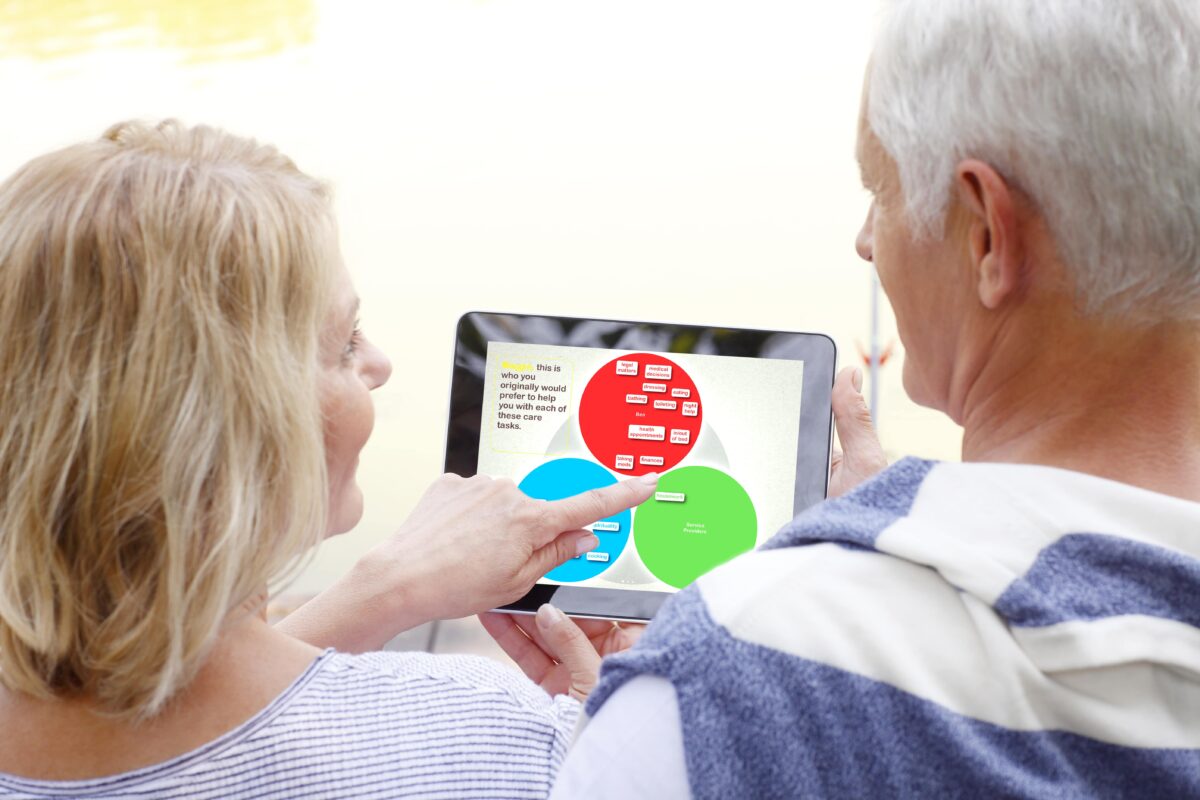
Is There an App for That?: Benefits and Challenges of Technology in Caregiving In a time when technology has touched nearly every aspect of day-to-day life, it often feels as if the solution to any problem is, “There’s an app for that.” When it comes to caring for the older adults in our lives, we are also increasingly directed to technology for solutions. Read more
Four Benefits of Intergenerational Programming With the widespread independent lifestyle of many American families, older loved ones are becoming increasingly separated from their families and other support systems. The COVID-19 pandemic has only increased these challenges. An estimated 27 percent of older adults age 60 years and older live alone in the U.S. and would benefit greatly from social interaction. According to Generations United, a national organization that focuses on intergenerational collaboration, two in three Americans would like to spend more time with others outside of their age group. Read more
Evidence-Based Programs: Why They Matter for Dementia Caregivers Caregivers for loved ones with dementia are familiar with the effort, dedication and time needed to provide quality care. It’s next to impossible to do on one’s own, yet asking for help and finding resources isn’t always easy. Even though it feels at times like there’s a long list of programs, services and caregiver resources out there, it may still feel like there’s nothing that fits your individual needs at the moment you need it. And even if there is, how can you know the program or service is reliable, high-quality or will even work to help you and your loved one in the first place? Read more
The Impact of Cybercrimes on Mental Health in Older Adults Cybercrimes have increased 20 percent since the onset of COVID-19 in 2020. Romance scams stole more than $139 million from older adults in 2020. According to a report by the Federal Trade Commission, that’s a 65 percent increase from 2019, when reported losses were nearly $84 million. While the monetary loss is staggering, it is often the devastating emotional toll that impacts the mental health of older adults, their families and those that care for them the most. This webinar will explore the topic of cybercrimes, why older adults are targets, the impact this trauma can have on an individual's mental health and ways to find help in the community. Read more