Pain Management for Older Adults with Dementia Just like most other older adults, people with Alzheimer’s and related types of dementia suffer from headaches, stomachaches, toothaches, muscle cramps and other painful conditions that are an uncomfortable part of the aging process. However, an older person with memory loss who suffers from chronic pain may not be able to tell their caregiver how they feel or ask for help to relieve their discomfort. Instead, they may communicate their distress through other means, such as becoming agitated or crying, which their caregiver may not understand how to interpret or address. Read more
Combating Ageism: Understanding and Overcoming Negative Age Stereotypes Ageism is discrimination against individuals or groups because of their age. It can be easy to make judgements based on someone’s perceived age but, like other forms of discrimination, negative stereotypes resulting from age prejudice can have very real consequences. While ageism can apply to individuals of any age, it is often directed towards older adults. It is important to note that even if one does not currently experience ageism, we are all inevitably aging. Therefore, if we don’t work to combat ageism now, all generations will experience ageism in the future. Read more
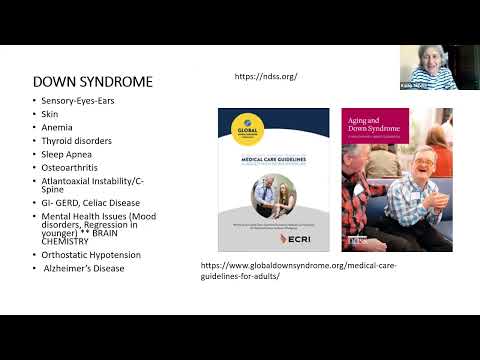
Bridging Conversations Between Intellectual and Developmental Disabilities and Dementia Guest speaker Kathy Service, Nurse Practitioner Consultant for the Massachusetts Department of Developmental Services (DDS), explores difficulties in diagnosing and distinguishing dementia in the IDD population, how establishing a baseline for function and cognition can provide clarity, and what factors can contribute to the development of dementia for people with IDD. She provides practical, evidence-based considerations for ways that families and other care providers can better navigate and become more knowledgeable, effective advocates in healthcare settings to enhance the well-being of individuals with IDD living with dementia. Read more
Understanding the Role of a Geriatric Care Manager in Elder Care Those of us who provide care for a loved one have probably heard the term “Geriatric Care Manager” on a regular basis. However, even though the phrase is a familiar one, we may not know exactly what one is since it’s a relatively new profession in the field of eldercare. A geriatric care manager is a licensed professional, often a nursing or social work specialist, with expertise in geriatrics. Families hire them to evaluate their loved one's needs and coordinate care using community resources. This profession proves particularly valuable when families live far away or are unable to manage all caregiving responsibilities themselves. Geriatric care managers can act as "professional relatives" supporting the family. Read more
Enhancing Spiritual Care for Loved Ones: Tips for Caregivers When caring for a loved one, maintaining their physical health is typically the top priority, so it can often be easy to forget that spiritual health can also contribute to their satisfaction and wellbeing. As we age, we are often faced with spiritual concerns regarding our mortality and the value of the life we have led. Some of our loved ones may be kept away from religious services due to illness or issues with mobility, keeping them from participating in important rituals to their faith. Read more
Engaging Activities for People with Dementia: Boosting Wellbeing and Connection Dementia remains a highly stigmatized disease, often leading to misunderstandings about the capabilities and needs of older adults affected by it. Caregivers may unintentionally overlook the importance of meaningful hobbies, activities, and pastimes for individuals with dementia due to their perceived disconnection from the world around them. However, it is crucial to recognize that, despite the changes brought by dementia, older adults still require engagement regardless of the stage of the disease. Read more
17th Annual Katz Policy Lecture: Safe, Affordable and Accessible Housing for Older Adults This year, the 17th annual Katz Policy Lecture examines safe, affordable, and sustainable housing for older adults. Our keynote speaker, Diane Yentel, President and CEO of the National Low Income Housing Coalition, discusses new directions in national and state housing policies related to older adults and their family and friend caregivers. Following the keynote address, a reactor panel of industry experts offer their responses to the presentation and discuss how housing issues impact individuals and the communities they are a part of. Read more
Barriers to Older Adults Remaining Social: Lessons Learned From the Pandemic Social isolation has always been a common issue for older adults, but became even more recognizable during the COVID-19 pandemic. Over the past few years, we have seen the negative effects of loved ones being kept alone. According to the Centers for Disease Control and Prevention, extended periods of social isolation have resulted in an uptick in hospitalization of older adults due to health concerns, and an increase in depression and anxiety disorders across all ages, especially in older adults. Pandemic restrictions contributed to stress level hitting an all-time high, while at the same time lowering access to the social supports older adults and caregivers rely on for respite and building social connections. Read more
When Caregiving Affects Your Relationships There is no question that caregiving takes dedication. Your time, effort, emotions and mental headspace are all invested in this important role. Giving of yourself for the sake of someone else can be a beautiful thing. However, it can leave you without as much time or energy as you would like to take care of not only yourself, but your relationship with others. Read more
Creative Therapies for Loved Ones with Dementia While dementia does not yet have a cure, there are ways to treat and soothe a person with dementia’s symptoms and make their potential anxiety, stress, moods and challenging behavior easier to manage. If you’re a caregiver for a loved one with dementia, the creative arts are a great option to consider when it comes to supportive therapies. The arts can help engage your loved one’s attention in something stimulating often soothing, while giving them a way to express their emotions and thoughts in a way they may struggle to do verbally. The arts can also be beneficial for loved ones with both intellectual and developmental disabilities (IDD) and dementia, who may be experiencing increasing challenges in expressing themselves and confidently building and practicing skills using other means. Read more