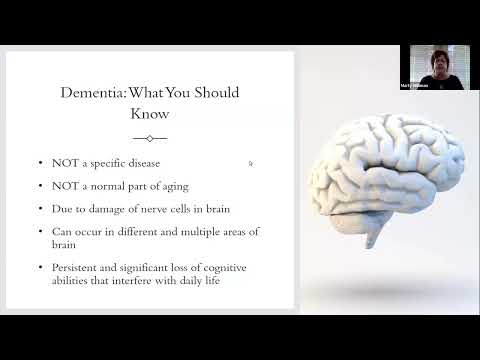
Bridging the Health Literacy Gap in Dementia Care: A Culturally Inclusive Approach Literacy skills are the largest predictor of health status, more than age, income, employment status, education level or racial/ethnic group. Improving and maximizing health status is important for all populations, but it is even more vital for individuals who live with compromising conditions such as dementia. Join Benjamin Rose Institute on Aging, Ohio Council for Cognitive Health and Asian Services in Action (ASIA) for an informative webinar for family and friend caregivers or supporters of persons with dementia as we explore the role of personal and organizational health literacy while learning culturally inclusive approaches to improving dementia care. Read more
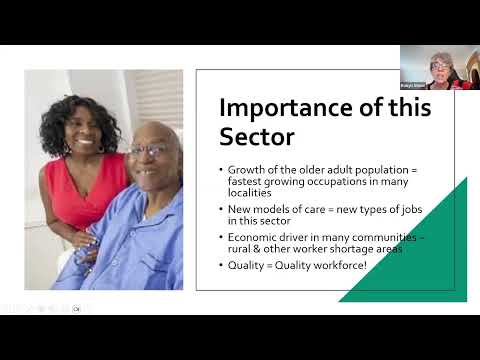
The Policy of Developing a Quality Workforce in Long Term Care Learn as we discuss the intersection of policy, staffing, and workforce issues in long term care. Presented in partnership with the Elder Justice Coalition, Robyn Stone, Senior Vice President, Research and Co-Director at Leading Age, weprovide insight into current and future issues related to the needs of our aging society. Read more
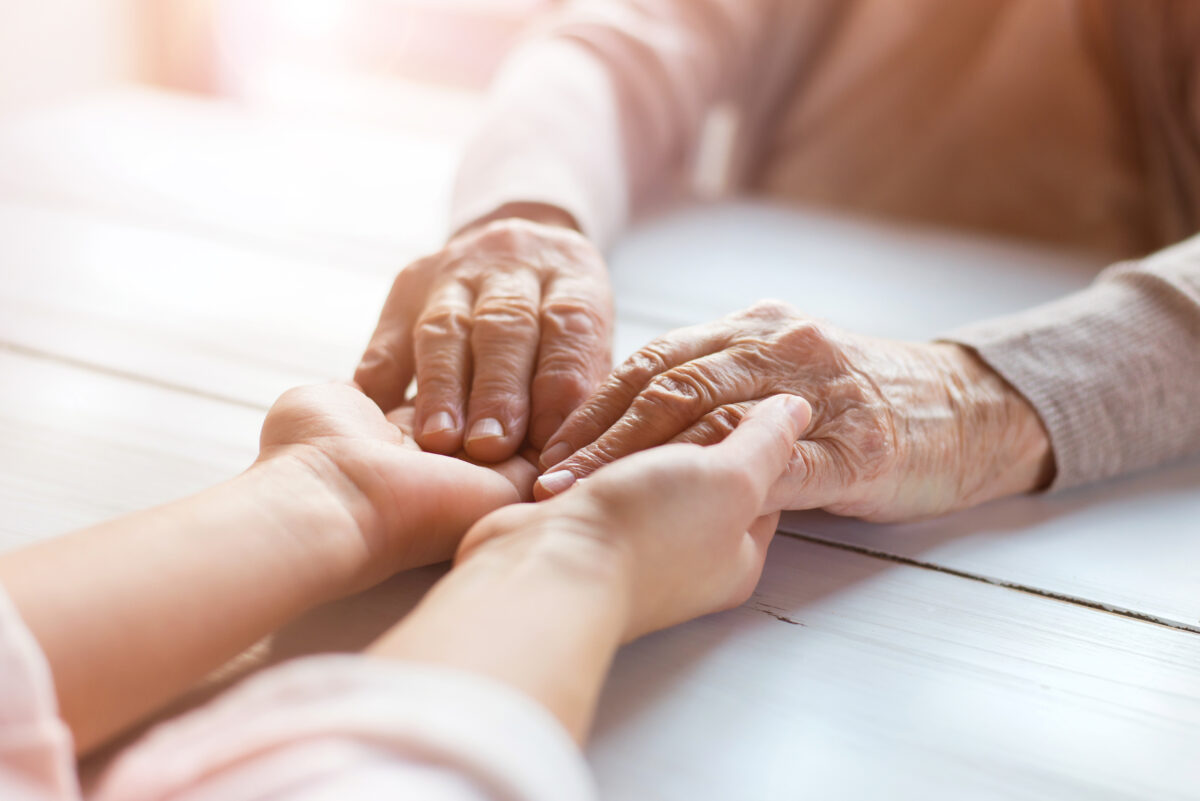
Simplifying Personal Care Routines for People with Memory Loss As memory loss progresses, it can become increasingly difficult for older adults to manage many personal care activities. It takes longer for them to get dressed, groom themselves, take a bath and use the toilet. Busy caregivers sometimes decide that it's easier and faster to take over personal care tasks themselves. As a result, their loved one may gradually lose some of their independence and ability to manage their own care. The easiest way to help your loved one retain independence in their personal care is to keep things simple and find ways for them stay involved in the process while still offering your help. Read more
Keeping Bones Fit and Healthy as You Age Most people have been told at least once in their life to drink milk so they will have strong bones when they grow up. As all of us continue that process of growing up into older adulthood, maintaining strong and healthy bones can be of even greater importance in order to prevent serious fractures, brittleness and significant loss of bone mass. Read more
My Mother’s Caregiver: Long-Term Care Insurance Writer and photographer Mark A. Lee joins us yet again for a guest blog about his struggles advocating for both his mother and himself as a caregiver to long-term care insurance companies. Read more
Recognizing the Symptoms of Dementia with IDD Diagnosing dementia is rarely straightforward, but can be even more challenging for those in the Intellectual and Developmental Disabilities (IDD) community. Many of the most common symptoms of dementia such as language challenges and difficulty with coordination are often things people with IDD already struggle with. This can make it all the more difficult to separate symptoms of dementia from their pre-existing symptoms. Read more
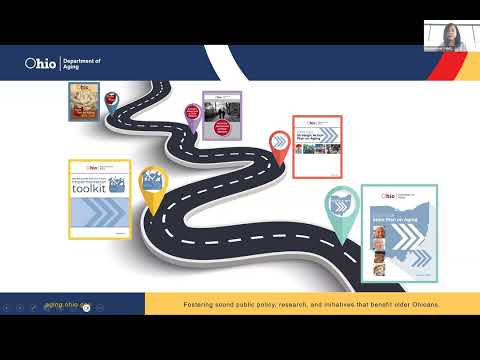
Innovation and Collaboration: The Ohio State Plan on Aging This collaborative approach outlines strategies for Ohioans to age well in our communities. Presented in partnership with the Elder Justice Coalition, Director Ursel McElroy of the Ohio Department of Aging offers insight into Ohio’s State Plan and how the framework fits into other aging plans across the country. Read more
Preventing Brain Disease: Risk Factors and Early Signs and Symptoms of Dementia This session highlights preventable risk factors associated with brain disease and stress the differences in signs and symptoms of Alzheimer’s disease in the Down Syndrome population compared to the general aging population. Read more
There’s No Place Like Home: Creating Safe Environments for People With Late Stage Alzheimer’s For someone with Alzheimer’s or another memory disorder, home may not always be the safest or most convenient place to live. As caregivers, we can help a loved one make modifications so they can continue to live safely in familiar surroundings. Read more
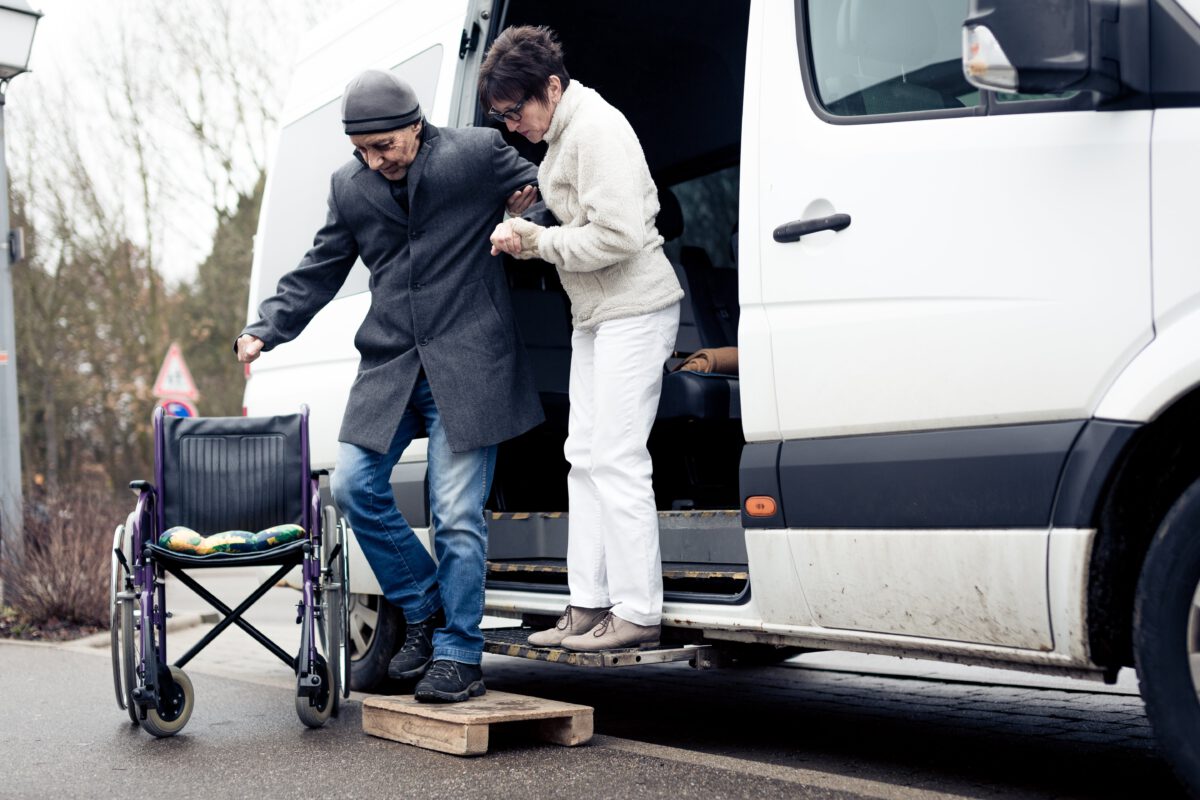
Why Transportation is so Important to Older Adults Transportation is more than a vehicle. It is about mobility, independence and autonomy. Transportation is a necessity that contributes to our quality of life. It gives us access to more than just medical help and other appointments. With it, we can connect to healthy foods, safer neighborhoods and social activities. Having reliable transportation can enrich our relationships and social life, contributing not only to our sense of well-being, but also keeping us cognitively connected. Read more