Social Isolation and the Pandemic The COVID-19 pandemic may have changed some normal family traditions this year. Not being with family and friends over the holidays may exacerbate feelings of social isolation and depression among older adults. Tamar Cooper, LISW-S, LICDC-CS, Associate Director of Behavioral Health Services, Benjamin Rose Institute on Aging, and Kerstin Yoder, MSSA LISWS, Social Worker/Mental Health Day Treatment Group Facilitator, Benjamin Rose Institute on Aging, share some tips for helping a loved one cope when you can’t be together, and learn how to help yourself let go of feelings of guilt you may be experiencing at this time. Read more
Coping with an Older Loved One’s Sleep Issues While chronic health conditions and medication interactions may also affect the sleep patterns of older adults, living under the constraints of the COVID-19 pandemic has further added to these challenges. Activities and finances have been disrupted, isolation has made people feel depressed, many are less physically and mentally active, fears around health and contact with others dominate public thinking and uncertainty has filled every aspect of daily living. Read more
What to Consider When Helping an Older Loved One Choose a Medicare Plan With Medicare’s Annual Open Enrollment ongoing from October 15 to December 7, you may have already begun discussions with your loved one on the basics of Medicare, such as differences from Medicaid and what the different plans and options are. But before such an important decision is made, it’s important to go more in depth by preparing the right questions with your loved one to guide the conversation and exploring the different points of consideration that will help determine which plan is best for your loved one’s individual needs. Read more
Having Difficult but Crucial Conversations with Loved Ones with Cognitive Impairment When conversations have a specific purpose beyond just small talk, the message we convey becomes even more important. All the people involved in the conversation will have a stake in its outcome. Will the message be received as intended? Will the messenger provide thoughtful and welcome insight? Who will come away not feeling like a winner? These are the crucial conversations we face as caregivers that may be necessary, but difficult to begin. Read more
Tips to Prepare Your Older Loved One for Winter During the Pandemic After getting by for most of the year under the shadow of the COVID-19 pandemic, many of us have been able to adapt to this new normal. However, the coming winter will reintroduce challenges not seen to the same extent since the early months of the pandemic, such as the return of cold and flu season and limited opportunities to interact in safer outdoor environments. The holiday season is also approaching, forcing all of us to consider how our usual celebrations and traditions will have to adapt to the times. Read more
Caregiving, the Holidays and COVID The COVID pandemic roller coaster has been operating since March, forcing us onto the ride and refusing to let us off. We have made adjustments: we restrict our outings into the community, wear masks when we do go out, maintain 6 feet distance and wash our hands until they turn red. We have been forced to accept that the pandemic is as much about loss as it is about health. And while we got used to a little taste of “normalcy” during the warmer months, just as the holiday season approaches, we are again asked to limit our travel and minimize contact with others. Now, rather than anticipating gatherings with friends and family, we must instead ask ourselves: “Should I?”, “Can I?” and “How can I possibly face another loss?” Read more
What’s Next: Strategies for Millennial and Working Caregivers Our panel of experts discuss managing work and caregiver responsibilities, how to care from a distance and helping your loved one navigate Medicare and benefits enrollment. These topics will help you develop the steps and strategies you need to empower yourself to take on the caring for your loved one and the stress of a career. Read more
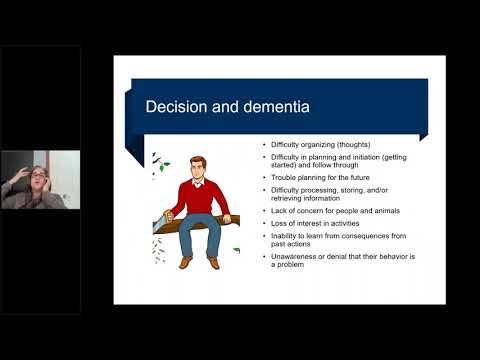
Difficult But Crucial Conversations Do you find yourself asking the following questions? Why is it so difficult for my spouse or my parent to make a decision? Is this a part of normal aging or could it be something else? What if I do not agree with the decision that my family member has made? Lauri Scharf, Care Consultant/Master Trainer at Benjamin Rose Institute on Aging, discussed these topics as well as about the best practices for making decisions in order to help an older loved one remain independent for as long as possible. Read more
What to Know for Medicare Open Enrollment Every year, Medicare’s Open Enrollment period runs from October 15 to December 7. As a caregiver, you undoubtedly know how important insurance coverage is to securing your loved one the affordable care they need when they need it. What can be less certain, however, is knowing which exact program and options your loved one is qualified for and would most benefit from. As much as you want to help them through the process of enrolling in Medicare, you may be struggling to understand it yourself. The good news is that by learning the various benefits covered by different plans, you can put yourself in a better position to care for your loved one’s health needs and find the right plan for them. Read more
Helping a Loved One Navigate Medicare Open Enrollment October 7 virtual program for caregivers from Benjamin Rose Institute on Aging. Read more