Recognizing COVID-19 Scams As COVID-19 impacts lives around the world, we may feel vulnerable, confused and in need of information, whether on how to keep ourselves and loved ones safe, or how to help support the doctors and nurses who work tirelessly to save lives. Sadly, the uncertainty of the times has also given rise to people who seek to take advantage of this vulnerability and confusion through scams, misinformation and false promises of cures and treatments. Our older loved ones may be particularly vulnerable to these scams as well. According to the Federal Trade Commission (FTC), adults over the age of 60 lose money to scams at twice the rate of people between 20 and 59. Read more
Sunday Self Care with David Bass Dr. David Bass, Senior Vice President, Senior Research Scientist and Director of the Center for Research and Education at Benjamin Rose Institute on Aging, discusses resources for older adults and caregivers with Rabbi Brown of Temple Israel Akron. Read more
Responding to COVID-19 as a Caregiver News about the coronavirus (COVID-19) fills every airway. There is information about social distancing, tips for staying healthy and guidelines if you think you are ill. But there has been little, if any discussion about how to handle this public health crisis if you are the caregiver for an older adult or someone else in a high-risk category. How can you best manage their physical and emotional needs, and what can you do to take care of yourself? Read more
5 Ways Caregivers Can Improve Relationship Strain with the Person They Care For When we begin providing care for a loved one, our relationship with that person can take on a new meaning as our role in their life changes. Whether we are their spouse, child, sibling or friend, taking on the role of managing their care or helping them cope with a disease or condition comes with unique responsibilities and relational dynamics. In some cases, caring for a loved one may make our relationship with them stronger, but in others, the stresses of caregiving may lead to increased strain which in turn can negatively impact our relationship with a loved one. Read more
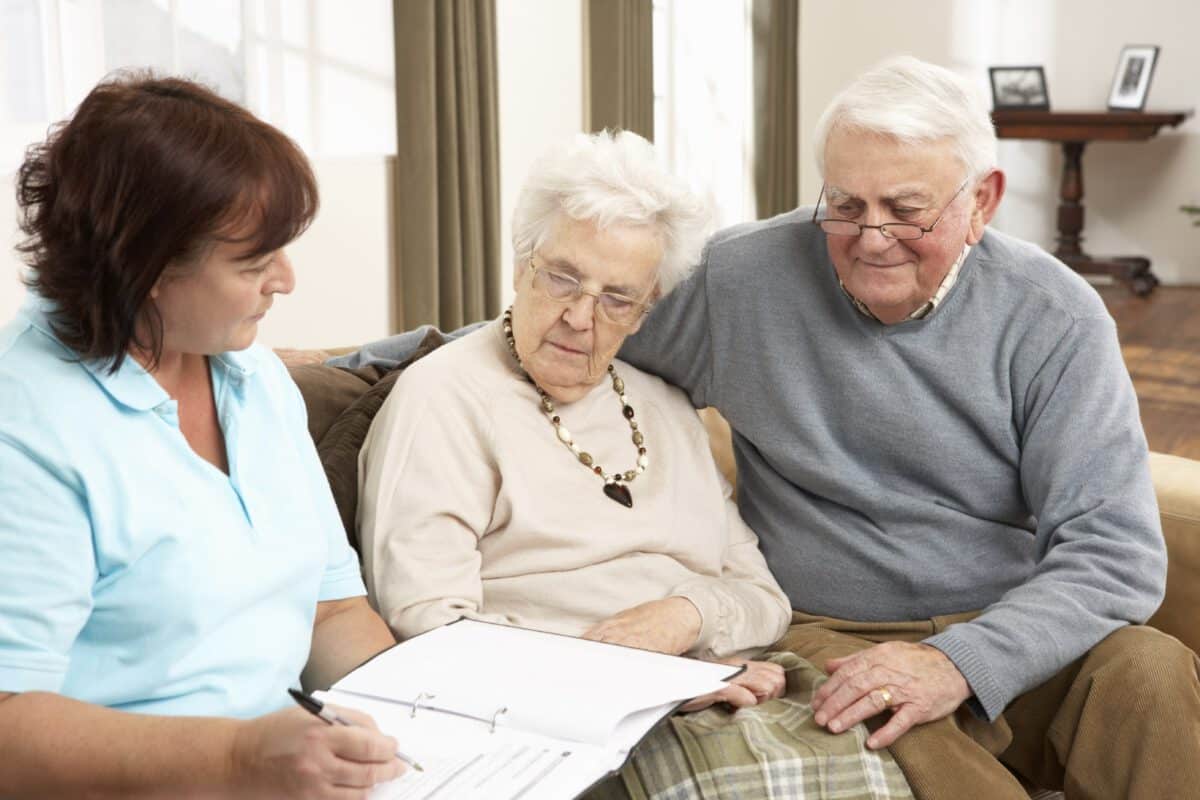
Using Team Meetings to Develop a Dementia Care Strategy for a Loved One An individual with dementia or Alzheimer’s disease often requires a village of caregivers to help take care of their needs during different stages of the disease. Whether they be family caregivers or providers, caregivers must always be vigilant to make sure their loved one is well cared for and protected. Read more
Keeping the Kitchen Safe for a Loved One with Late Stage Dementia The kitchen is the heart of most families' homes. If we have a loved one living with dementia at home, especially in the later stages, we will want to do everything we can to help keep their kitchen as safe as it can be. Read more
What We Can Do About Robocalls The term robocall has been around since the 1990s, but in the last few years, they’ve become an ever-present part of our lives. According to the YouMail Robocall Index, in 2018, 47.8 billion robocalls were placed in the US, and just in the first half of 2019, 34 billion calls were made. You’re not imagining that it’s gotten worse – it has. Read more
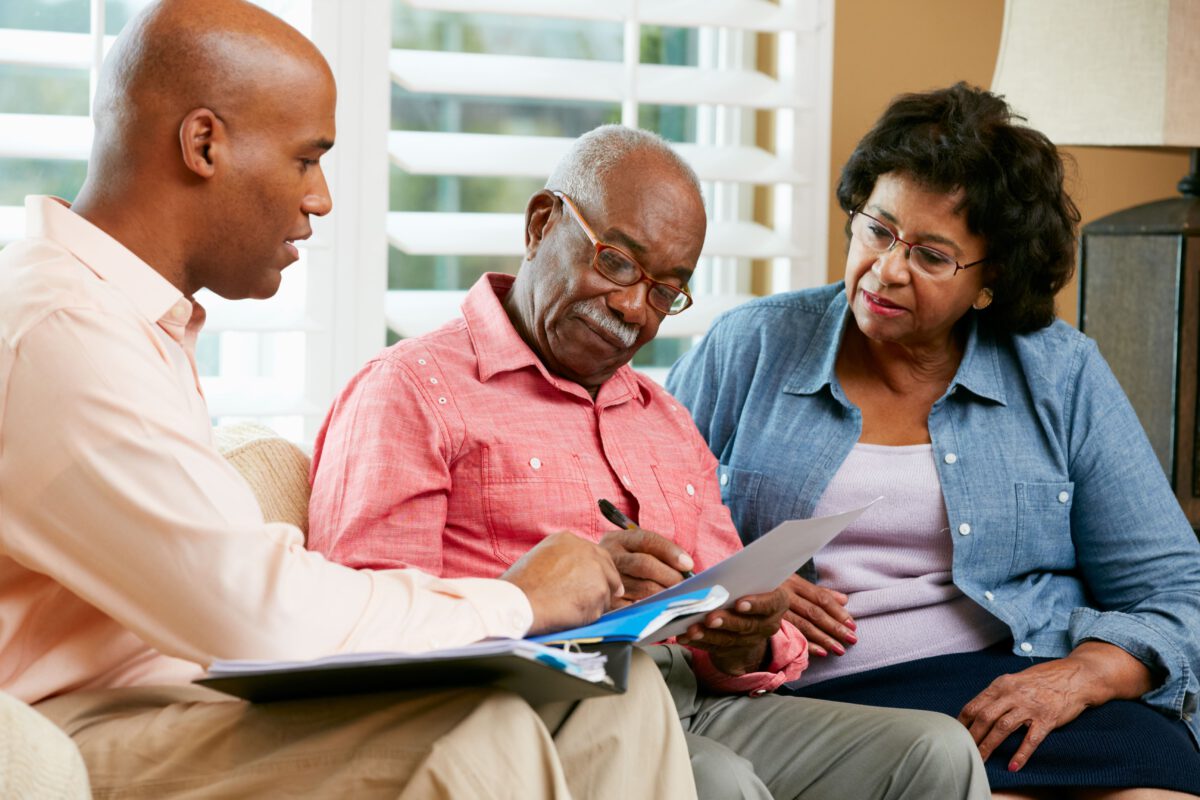
Decision Making with Your Older Loved One: Choosing a Power of Attorney Agent Establishing a Durable Power of Attorney for Health Care or Finances can give loved ones the ability to control who makes important health care or financial decisions for them if their physician declares they are no longer able to make these decisions for themselves. Having a Power of Attorney is important because it assures loved ones have someone who can act on their behalf and, ideally, respect their wishes. Read more
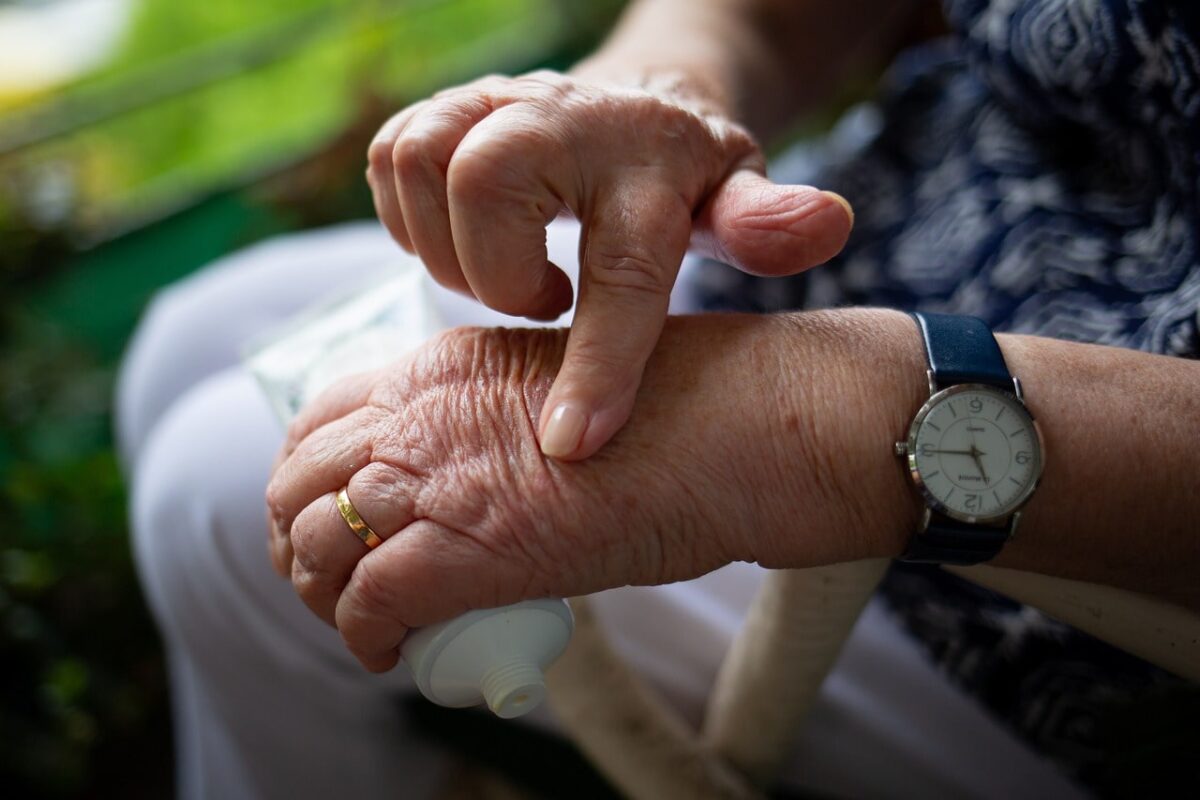
Living Well with Arthritis According to the Arthritis Foundation, about 54 million adults have been diagnosed with arthritis. The first signs of arthritis usually begin around age 40 and progress slowly. Women over 50 are more likely to suffer from arthritis symptoms than men. Even dogs, cats and other animals can suffer from the pain of arthritis. Although there is no cure for this disease, there are a variety of techniques and remedies we can use to manage a loved one’s pain and help them maintain an active lifestyle. Read more
Eating Well With Alzheimer’s Eating well is essential to good health, but when we are caring for an older loved one with a memory disorder, it may be challenging to be sure they have access to well-balanced and appetizing meals. It can be a struggle as well to ensure that they are eating these meals when they may be experiencing a loss of appetite or difficulty remembering and sticking to established routines as the illness progresses. As caregivers, it’s important for us to rise to these challenges and find solutions to prioritize nutrition and healthy eating in a loved one’s life as key element of maintaining their overall health. Read more