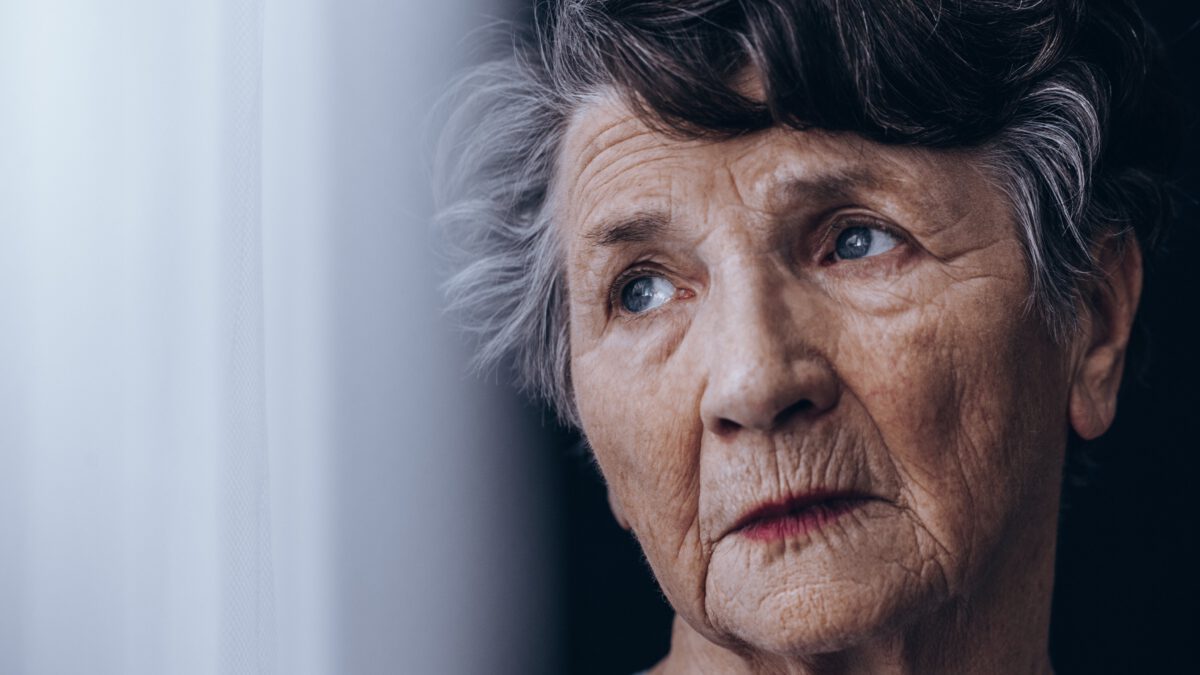
Holiday Blues and Older Adults The carols tell us that winter “Tis the season to be jolly,” but this can often be easier said than done. Many people get the holiday blues, and older adults are no exception, especially if they have recently received difficult news or are struggling with their health. The holiday season can often trigger memories of loved ones who have passed away as well. When a loved one is feeling blue, it is more important than ever for us to rally around them, help to contribute a positive atmosphere and find ways for them to create fresh and happy memories. Read more
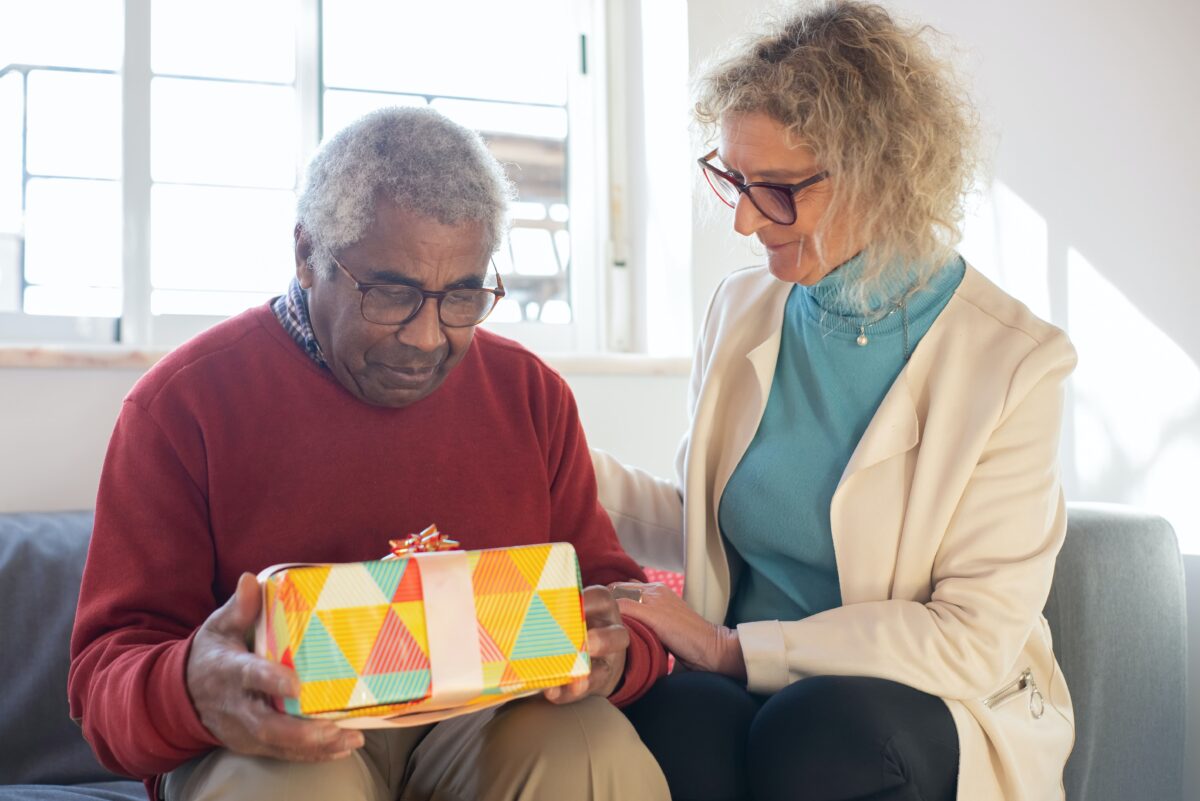
Holiday Gift Giving Tips for an Older Loved One When we're considering gifts for our older loved ones for the holidays, being creative in our choices can help us select a gift with special meaning and value to them. Many older adults have accumulated years' worth of personal possessions, so we don't want to add to the clutter. With a little imagination, we can instead come up with the perfect gift to fit their needs, whether they could use assistance around the house or new ways to stay active. Read more
Aging in Place: When is the Right Time to Right Size? Deciding whether to continue to live in the home we have lived in for decades is a difficult decision. Not only are there financial considerations to think about, but we also need to factor in health and safety issues, such as whether our home can be easily navigated as we age. If we are caring for an older loved one, we may wonder if the home they’re in right now is still right for them based on the changing needs of their health and care. As the holidays approach and family comes together, it may be the right time to have the “Right Sizing” conversation with a loved one that could open the doors to knowing if it is the right time for them to move. Read more
Can You Actually Buy Happiness? Reflections on Emotional Spending Have you ever felt down and out – and then headed to the mall? Have you ever felt overwhelmed, angry, or isolated – and then cheered up with a purchase on eBay? Do you use shopping as a way to celebrate an accomplishment or recover from a disappointment? Have you ever subscribed to the idea that shopping is a stress-relieving therapy and even cheaper than a visit with a psychiatrist? If so, did shopping in those moments actually make you feel better in the long run? Read more
Millennials, the New Generation of Caregivers For years, millennials have been regulars on the news for supposedly “killing off” mainstays of industry and culture, from homeownership to buying once standard items like napkins, breakfast cereal and diamonds. But one thing that millennials can’t be accused of killing off? Unpaid caregiving. Every year, more and more millennials step up to take charge of caring for a loved one, providing physical, personal and emotional care and support, often while attending school, working one or more jobs, taking care of young families and navigating student loan debt. Read more
Using Resources to Help Choose Home Care Home health care agencies can provide care to a loved one right in his or her own home. They offer a wide range of services such as physical therapy, occupational therapy and skilled nursing care. Receiving care in the home still offers the same effective care one would receive in a hospital or nursing facility, while typically being more cost-effective and convenient. Finding which home health agency to use for a loved one can be a daunting task. However, there are resources out there that can help ease the stress of finding the best home health care for a loved one. Read more
Reducing the Stress of a Transition to Assisted Living The decision to move a loved one to assisted living can be one of the hardest a caregiver can make. However, if we are caring for a loved one with a chronic disease, particularly Alzheimer’s Disease or another form of dementia, it may become necessary to consider assisted living placement if we lack the time, resources or support to continue caring for a loved one at home. Shifting a loved one’s care to an assisted living facility may seem as if it will relieve many of the stresses of caregiving such as anxiety, depression or feeling overburdened. However, studies show that assisted living placement can instead change the type of stressors a caregiver experiences rather than eliminate them. Read more
Helping a Loved One Maintain Good Credit While it’s important for all of us, at any age, to keep our finances in good condition, issues of credit card debt are growing among older adults. If we are caring for a loved one struggling with debt and maintaining good credit, it is important for us to understand credit scoring and how to help a loved one improve their credit so they can better manage debt. Read more
I’m the Man (and the Caregiver) All of us caring for aging loved ones face unique challenges. Societal expectations about who handles these responsibilities – and how they should be handled – make some of these challenges ever more difficult for male caregivers. After all, when we think and talk about family caregivers, most of us immediately envision a woman, usually a wife or a daughter, and it is with this image in mind that most caregiver support programs have been created. And yet, according to a recent AARP study, 44 percent of family caregivers for older adults—or six million caregivers—are actually men, and 28 percent of these men are millennials Read more
Planning for the Future after a Dementia Diagnosis: Why Working Together Is Important If we are caring for a loved one who has recently been diagnosed with dementia or a related disorder such as Alzheimer’s Disease, it can feel devastating. Often, families avoid having discussions with their loved one about what the diagnosis could mean for their future out of fear. As the disease progresses over time, we may find ourselves as a caregiver in the position of making important care or health-related decisions for a loved one in a time of crisis, even if we have never previously discussed with our loved one what kind of care they would prefer. As a result, we may feel guilty about having to make decisions on our loved one’s behalf, without prior knowledge of their care values and preferences. Read more