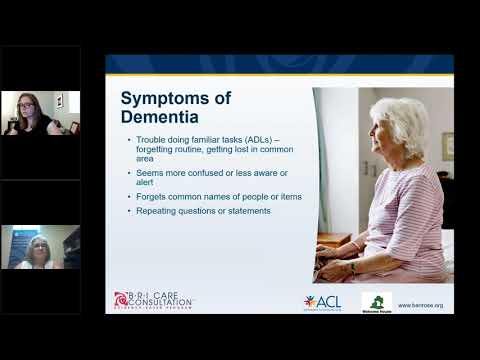
Caring for Individuals with Intellectual and Developmental Disabilities and Dementia This webinar will overview common signs and symptoms of Alzheimer’s Disease and related dementias in individuals with intellectual and developmental disabilities, available cognitive assessments, medical and community-based resources, and provide information about a free evidence-based care-coaching program, BRI Care Consultation™, for family and friend caregivers or supporters. Read more
Has Work Become Your Respite? The Reality of Working Caregivers In 2019, approximately 73 percent of employees are responsible for some type of caregiving, and one in six workers are caregivers for an older adult. This role is fulfilled not just by middle-aged Americans: 6.2 million millennials make up 24 percent of unpaid caregivers, and one study shows that 14 percent of them have left the paid workforce completely, unable to balance work and caregiving responsibilities. Read more
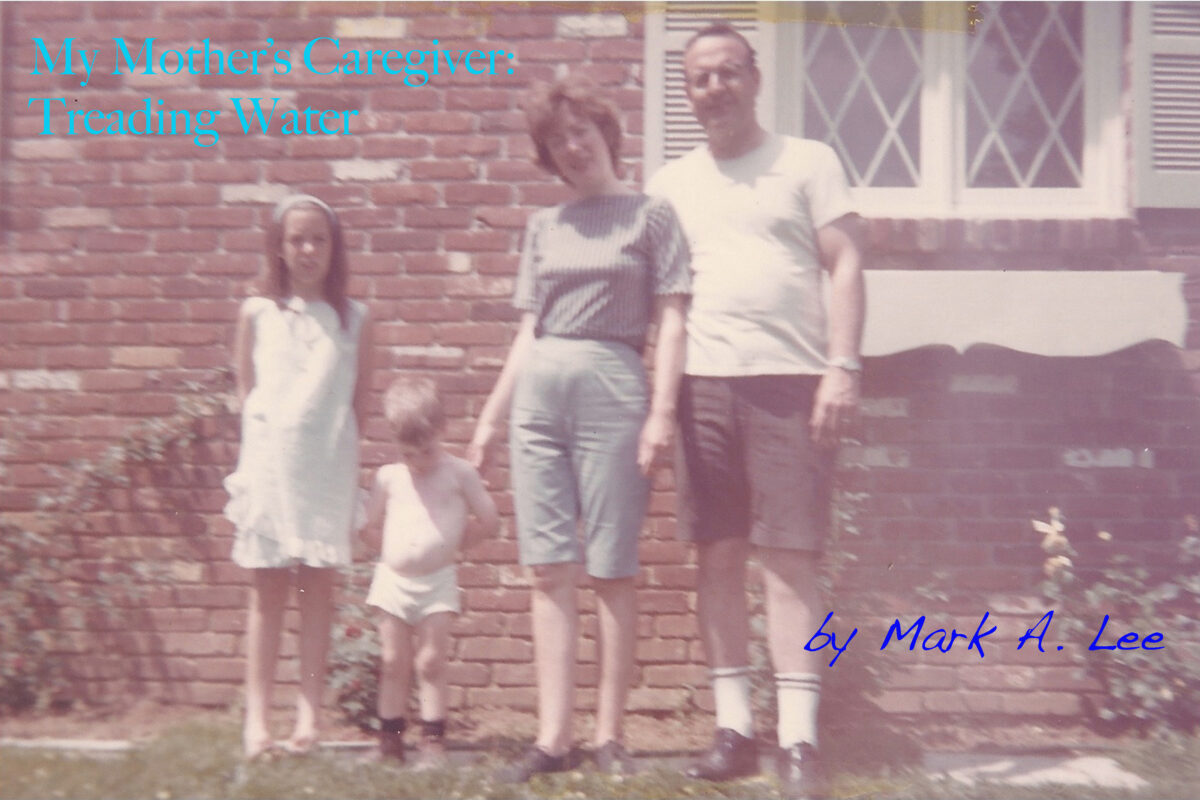
My Mother’s Caregiver: Treading Water Writer and photographer Mark A. Lee joins us yet again for a guest blog, highlighting challenges caregiving for his mother during the COVID-19 pandemic and excerpting his upcoming book on his past experiences caregiving for his father, "Raising Dad" Read more
Five Social and Emotional Benefits of an Early Dementia Diagnosis Early detection and diagnosis of Alzheimer’s and dementia is a sticky subject. According to a recent study, nearly 90 percent of Americans said that if they were exhibiting confusion and memory loss, they would want to know if they had Alzheimer’s disease. Yet, over half of the people aged 45 and older with subjective cognitive decline indicated they had not talked with a healthcare provider about their questions and concerns. Read more
5 Tips to Prepare for a Conversation with Your Doctor About Dementia Suspecting that you are suffering from memory loss can feel terrifying. When there’s a chance the answer to your symptoms may be “dementia,” it may seem tempting to avoid even asking the question. However, a missed or delayed opportunity to diagnosis dementia can have long-term consequences. Though confronting the possibility of dementia can be hard, an early diagnosis can make preparing for the future easier both on you and your loved one. Read more
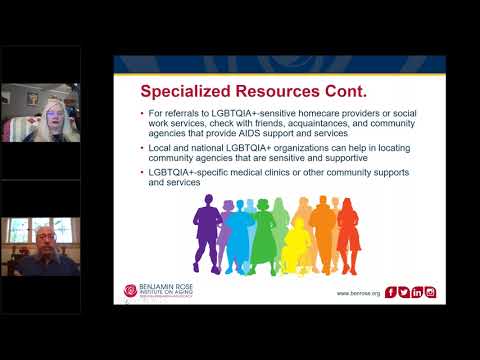
Challenges of Aging for the LGBTQ Community Discrimination of LGBTQ older adults and caregivers in the health care system has only recently begun to receive attention. Many health care practitioners are challenged to respond to the specialized needs and services for this community. This webinar will discuss the unique needs of the LGBTQ aging population and identify ways caregivers and professionals can better help this community. Read more
Let’s Talk: A Q&A Discussion about Mental Health with Benjamin Rose What is mental health? Behavioral health? What should you do if you’re worried about a friend or a loved one? How is COVID-19 impacting your loved one’s mental health? May is Mental Health Month and Benjamin Rose Institute on Aging wants to help you answer all of your mental health questions. In this webinar, mental health experts from Benjamin Rose’s Behavioral Health team discuss and respond to listeners questions about mental health in real time and share valuable tips and information to help you navigate mental and behavioral health services and supports. Read more
The Digital Divide: What Families Should Know The changes brought by the COVID-19 pandemic to how we work, socialize, take care of our health and go about our daily lives have deepened the Digital Divide, the gap between those who can use and have access to technology and those who don’t. For older adults with increased healthcare and caregiving needs, as well as higher risks for social isolation, this divide can be especially daunting. In this webinar, we will look into what the Digital Divide is and what caregiving, healthcare, isolation prevention and homecare resources exist to help older adults and their caregivers navigate it together. Read more
Discussing Uncomfortable Aging Topics with a Doctor Talking about health isn’t always an easy thing. Society tends to put emphasis on what is and isn’t “polite conversation,” and almost every etiquette guide advises against discussing bodily functions, uncomfortable symptoms or anything that would make a listener squeamish. It’s rude. It’s embarrassing. It’s better kept to yourself. Unfortunately, these stigmas can creep into situations where topics that would otherwise be kept quiet need to be discussed, especially at the doctor’s office. Read more
Aging Challenges for Older Adults in the LGBT+ Community Individuals in the LGBT+ community have a long history of facing discrimination in the United States, and the effects of prejudice, hostility and mental, emotional and physical harm are felt by all generations of the community, from youths to older adults. Many LGBT+ older adults age into systems that may not fully accept and support them, and may directly or indirectly stand in the way of them getting the physical and mental health assistance they need. Read more