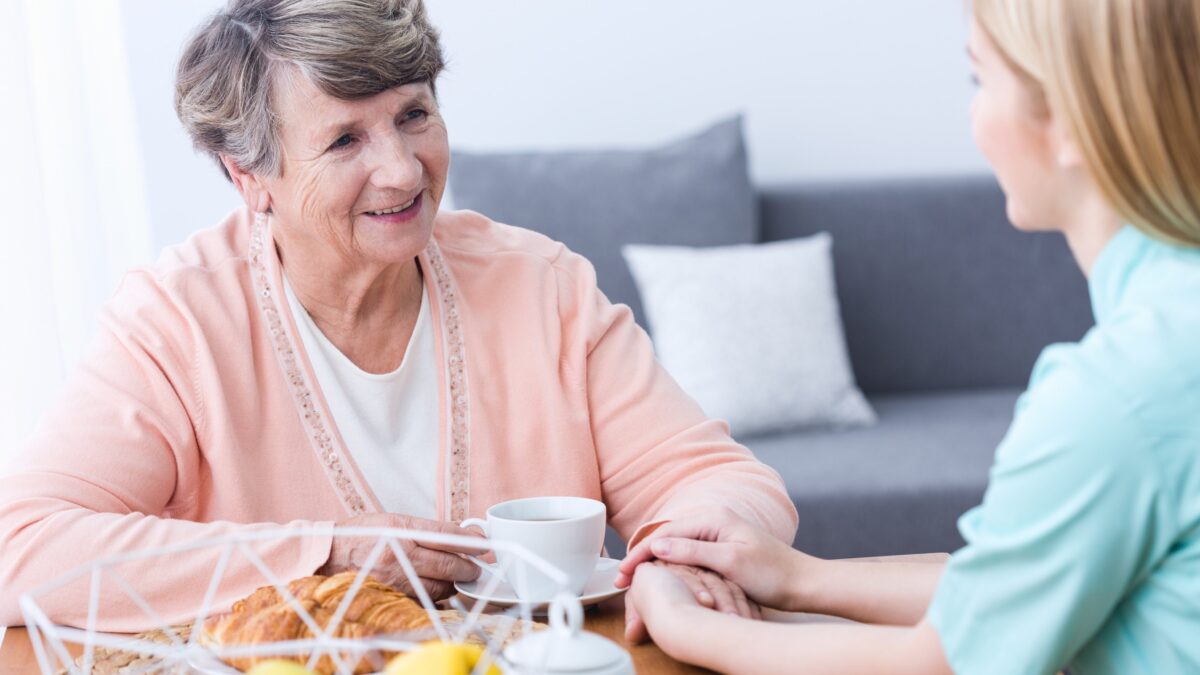
I Can’t Be the Caregiver Anymore: How to Transition from Your Role Becoming a caregiver to an older loved one is a big commitment, and like other commitments in life—wedding vows between spouses, the responsibilities of parenting—it can often feel binding. Many of those who become caregivers do so with the intentions of staying in this role until their loved one passes away. However, this is not always possible or realistic. Read more
Understanding and Managing Dementia-Related Behavior Changes A loved one with dementia will experience many changes as the disease progresses. Though dementia is most commonly associated with memory loss, the changes dementia causes to the brain impact more than just memory—personality and behavior can be affected as well. We may feel that a loved one with dementia isn’t “acting like themselves” or that their actions might be “uncharacteristic.” Sometimes this can manifest in small ways, like being less alert than usual, or being more talkative around strangers. Other times, they may say or do something much more difficult to handle, like having an outburst of anger in public or making a sexually inappropriate comment. Read more
Home Health CAHPS FAQs: Understanding the CAHPS Rating In 2016, CMS added the Star Rating System to the information presented on the Home Health Compare website. This visual element is designed to make it easier for consumers to compare providers, but the methodology behind the Star Ratings can be a little difficult to understand. To help clarify, we’ve developed a list of Frequently Asked Questions to provide answers to some of our most common inquiries. Read more
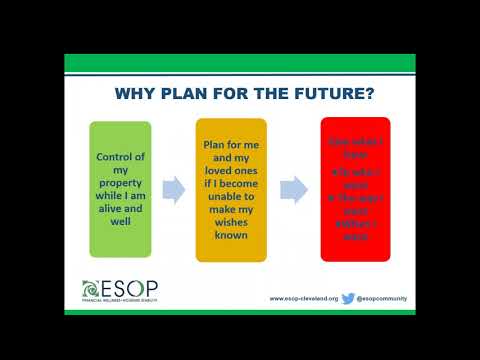
The Caregiver’s Guide to Estate Planning When was the last time you and your loved one had a discussion about estate planning? If you’re like many people, it’s probably been a while. This webinar will discuss what important financial and medical documents are necessary in case of an emergency, and what to do in those situations. Having these items prepared and organized will not only protect your loved one, but as a caregiver it will give you peace of mind to know that everything is taken care of in advance. Read more
BRIA Comment for the Alzheimer’s Disease and Related Dementias Task Force, Public Forum On Thursday, July 15, 2021, Benjamin Rose Institute on Aging President and CEO Orion Bell delivered this testimony at The Alzheimer’s Disease and Related Dementias (ADRD) Task Force Public Forum. The Alzheimer’s Disease and Related Dementias Task Force was established by the Ohio General Assembly to examine the needs of individuals diagnosed with Alzheimer's disease or related dementias, the services available in this state for those individuals, and the ability of health care providers and facilities to meet the individuals' current and future needs. This testimony highlights three important recommendations to the Task Force to address quality of life and care concerns for individuals living with dementia and their family and friend caregivers in Ohio. Read more
Behavioral Interventions When Caring for Someone with Dementia This webinar incorporates the most current research about dementia care, effective practical strategies, and useful resources in identifying causes of common behavioral symptoms and effective interventions. This program, initiated as part of a grant awarded to the greater Toledo area by the U.S. Department of Human Services, Administration for Community Living (ACL), Alzheimer’s and Dementia Program Initiative incorporates curriculum from the state of Minnesota, Act on Alzheimer’s, and we are now excited to present this as a part of the new ACL project to expand dementia capable communities in Cuyahoga, Washington, and Athens counties. Read more
Becoming a Caregiver: My Role Has Changed, Now Who Am I? We all have roles in life that we are used to and comfortable with. Some roles that come to mind easily are mother, father, sister, brother, wife, husband, partner, friend, aunt, uncle and grandparent. These are very common roles that are socially accepted, defined and supported. We know how to be a parent, sibling, friend etc., because people teach us by serving as an example. What happens when these roles start to change, however? These scenarios happen every day, and the shift that it can create in a relationship paradigm can have a ripple effect of feelings, emotions and struggles. Read more
Helping an Older Loved One Living Alone with Dementia Many assume that older adults who live alone inevitably transition into assisted living when diagnosed with dementia, but this is not the case. Around one third of people with dementia live on their own, in their own homes. While it does not pose as many concerns in the early-stages of dementia, this arrangement may become increasingly risky in the middle- and late-stages. As a caregiver, you may feel pressure to move in with your loved one or vice versa, or else find them an assisted living arrangement, even if your loved one does not want to leave their home. Read more
Recognizing the Risks and Red Flags of Elder Abuse Those who are assisting older loved ones likely try to do everything they can to keep that loved one safe, such as making sure they have a list of emergency contacts or assessing whether they can still safely operate a vehicle. However, sometimes the greatest threats to a loved one can be a person, whether family members, fellow caregivers, medical staff, complete strangers or even themselves. According to the National Council on Aging, approximately one in ten Americans aged 60 or older have experienced some form of elder abuse. Read more
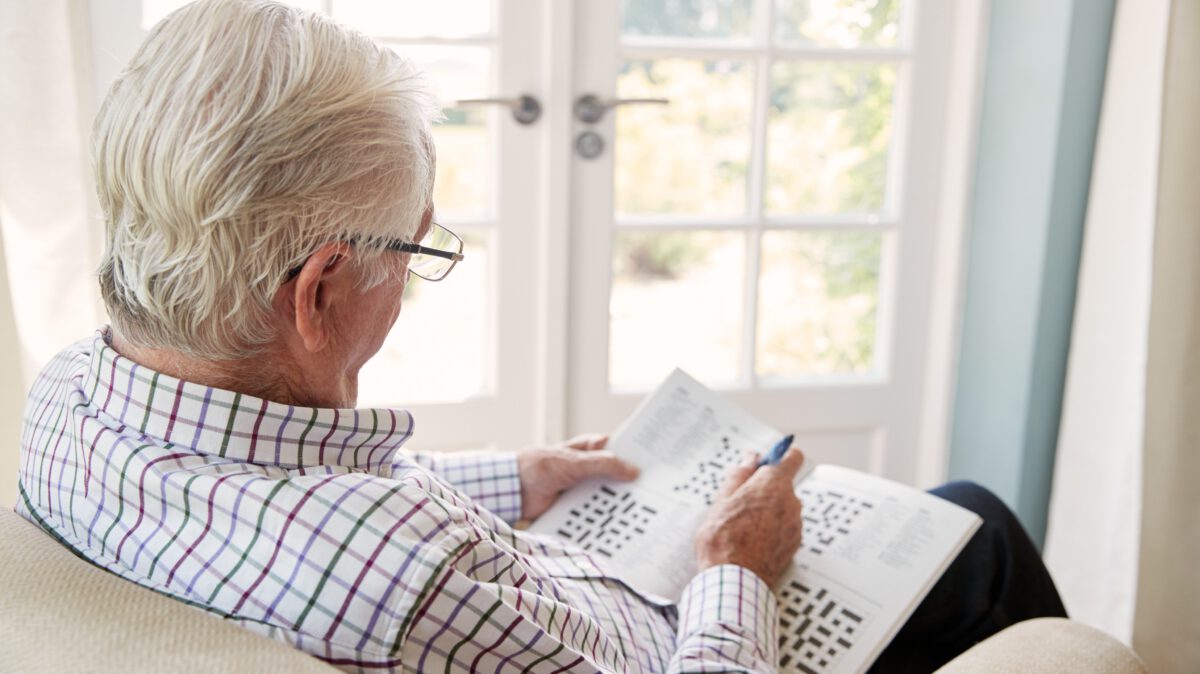
Exercise Your Brain as an Older Adult with These 20 Memory Boosting Activities There are a variety of techniques and strategies older adults can use to maintain and even improve memories. These memory boosters are mentally challenging and often fun, and they don’t involve medications that may have side effects that could potentially exhaust mental focus. Read more