Sundowning and Dementia: What to do About Late-Day Behaviors For those with dementia and their caregivers, the late day hours can often be a disorienting, stressful time. When the sun goes down, individuals with dementia may become agitated, restless, confused, irritable and at times even delirious—seeing and hearing things that are not there—to a greater extent than they do early in the day. This symptom of dementia is known as “sundowning” or “Sundowners Syndrome.” For individuals with dementia and their caregivers, it can be a scary, upsetting nightly occurrence. Read more
Honor Your Mental Health on World Mental Health Day Sunday, October 10, is World Mental Health Day. Those of us who serve on the staff of the Behavioral Health Services (BHS) department of the Benjamin Rose Institute on Aging demonstrate our dedication and commitment to helping older adults with mental health issues not only on this special day, but every day. Our organization has a long history of service to those older adults who struggle with their mental health. We believe that recognizing the importance of breaking the stigma attached to mental health issues and encouraging all people to take care of themselves, especially their emotional and mental wellbeing, is key to a life well lived. Read more
15th Annual Katz Policy Lecture: National Family Caregiving Strategies and Policy Recommendations from the RAISE Family Caregiving Advisory Council This year, the 15th annual Katz Policy Lecture, sponsored by AARP Ohio, will examine the RAISE Family Caregivers Act, which directs the U.S. Department of Health and Human Services to develop and maintain a national strategy to recognize and support family caregivers. The Act identifies actions that communities, providers, the government and others are taking to help family and friend caregivers, and aims to improve information sharing, collaboration, government support and assessment of caregiver programming across these efforts. Our keynote speaker, Alan B. Stevens, PhD, will discuss family caregiving strategies and policy recommendations from the RAISE Family Caregiving Advisory Council, and the impact these will have on our communities. Following our keynote speaker, a reactor panel of industry experts will give their responses to the presentation, and discuss how the Act impacts different types of individuals and communities, as well as state level policy. Read more
Healthy Living for Your Brain and Body: Tips from the Latest Research For centuries, we’ve known that the health of the brain and the body are connected. But now, science is able to provide insights into how to make lifestyle choices that may help you keep your brain and body healthy as you age. Join us to learn about research in the areas of diet and nutrition, exercise, cognitive activity, social engagement, pharmacological treatments, and use hands-on tools to help you incorporate these recommendations into a plan for healthy aging. Lastly, you will learn from Benjamin Rose Institute on Aging about an evidence-based care-coaching program, BRI Care Consultation™, that is available for free in Cuyahoga, Athens and Washington Counties to support individuals with, or at risk of, dementia, including individuals with intellectual and developmental disabilities, and their caregivers. Read more
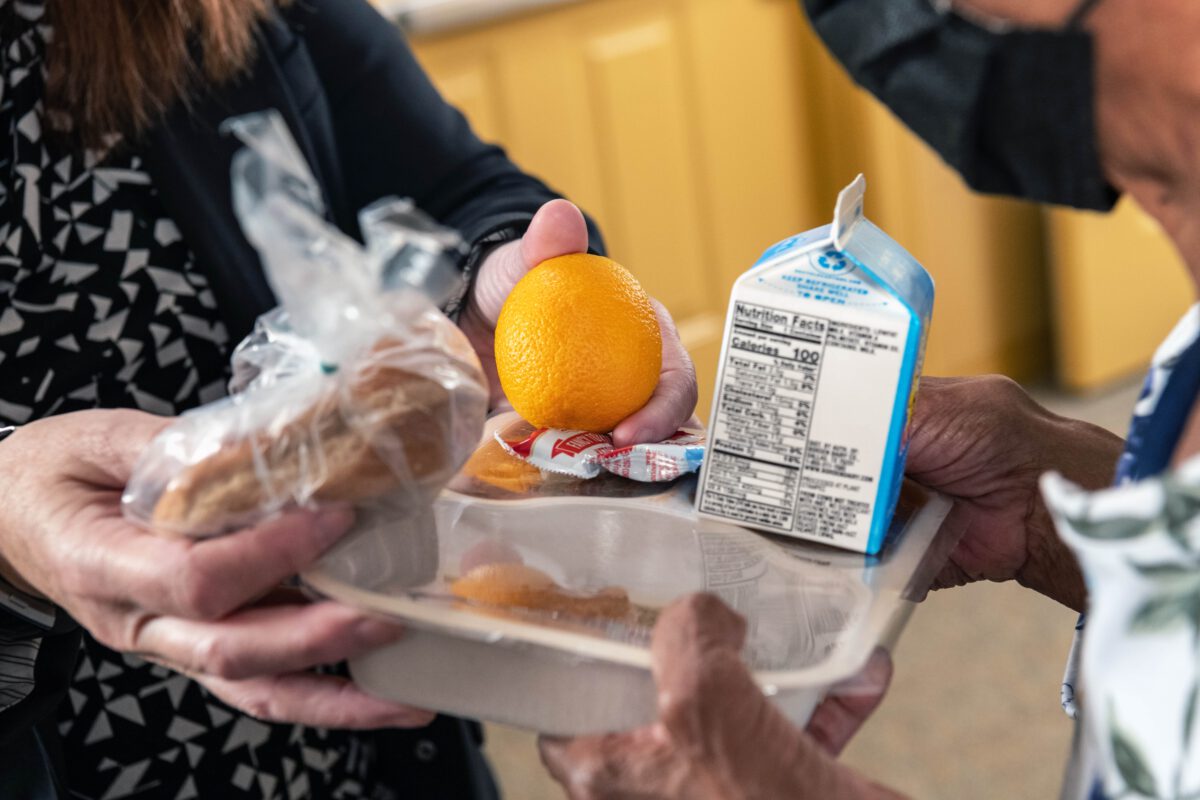
Leading by Example: The Impact of Volunteering for Home-Delivered Meals Benjamin Rose Institute on Aging Board Member Cyndy Dunn discusses her experiences volunteering for the Rose Centers for Aging Well's medically-tailored meal delivery program, Nutrition Solution. Read more
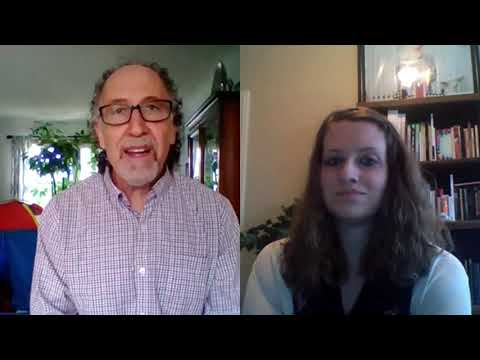
Evidence-Based Programs: How They Help Caregivers of People Living with Dementia Dr. David Bass, Senior Vice President, Senior Research Scientist and Director of the Center for Research and Education at Benjamin Rose Institute on Aging, discusses evidence-based programs, how they can help individuals with dementia and their family and friend caregivers, and how to access them in your area. This video was developed as a part of the Expansion of Dementia-Capable Communities within Urban and Rural Settings in Ohio using Evidence-Based and Informed Programming project, funded by the Administration for Community Living, Alzheimer’s Disease Program’s Initiative. Read more
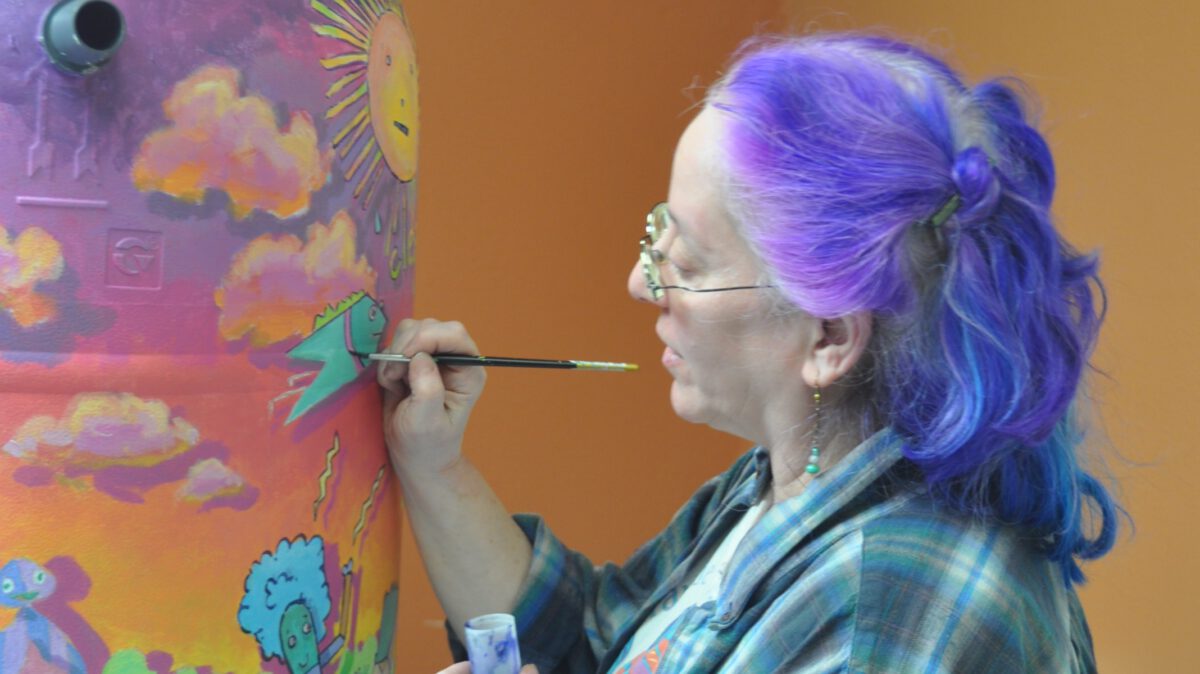
Creative Arts Programming for Older Adults Finding meaningful ways to engage with an older loved one can be a challenge, especially during the pandemic. For those looking for an activity to do together with a loved one—whether indoors or outdoors—creative arts may be a good place to start! Helping a loved one get in touch with their creative side can offer many benefits and may be easier to do than we think. Read more
Communicating a Loved One’s Health and Dementia Behaviors to Children Finding out that a family member has dementia and providing care for them can be full of both challenges and meaningful moments. It also impacts the whole family. When we add children into the mix, certain situations can get even more difficult to handle. Many of us may be struggling with how to communicate a loved one’s health or dementia-related behaviors to young children, such as a loved one’s grandchildren, especially regarding what to say and how to say it. However, having these important discussions can also be a positive shifting point in our relationships with them. Read more
Making the Transition to Long Term Care a Successful Choice Have you made the decision to transition your loved one to long-term care? This can change your role as a caregiver and return your relationship with your loved one to one that is more personal and familial. How can you make this a decision that both incorporates your loved one’s preferences and supports their personal values? This webinar will discuss important topics for this transition, including the assessment process, how to communicate with long-term care facilities and care planning. Read more
Together We Walk: A Dementia Journey Each individual’s journey with dementia is unique. This webinar led by the Hospice of the Western Reserve will provide information on the types of dementia and their effects on the brain, and introduce participants to just some of the experiences of people living with dementia. Through this interactive presentation, you will develop a deeper understanding of how these individuals navigate the world, and how hospice can support them and their family and friend caregivers. Our goal is to be able to better care for our loved ones and neighbors by walking a mile in their shoes. Lastly, you will learn from Benjamin Rose Institute on Aging about an evidence-based care-coaching program, BRI Care Consultation™, that is available for free in Cuyahoga, Athens and Washington Counties to support individuals with, or at risk of, dementia, including individuals with intellectual and developmental disabilities, and their caregivers. Read more