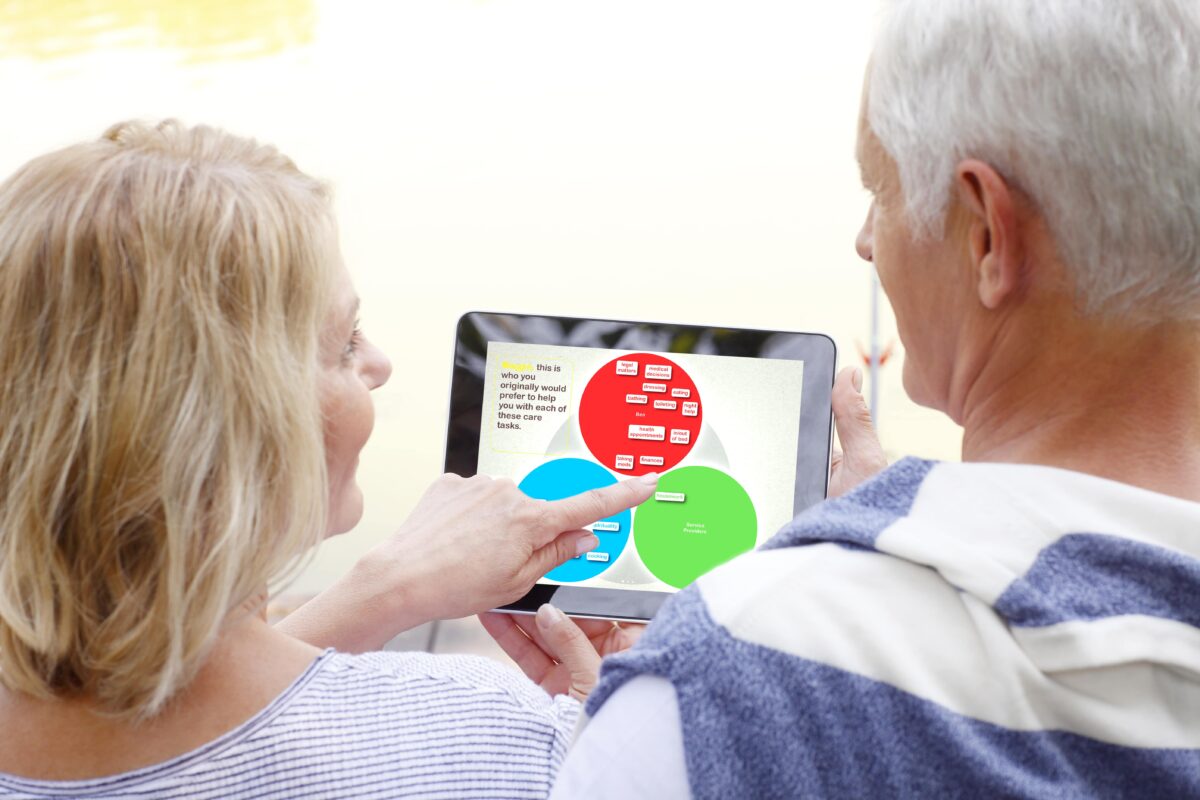
Is There an App for That?: Benefits and Challenges of Technology in Caregiving In a time when technology has touched nearly every aspect of day-to-day life, it often feels as if the solution to any problem is, “There’s an app for that.” When it comes to caring for the older adults in our lives, we are also increasingly directed to technology for solutions. Read more
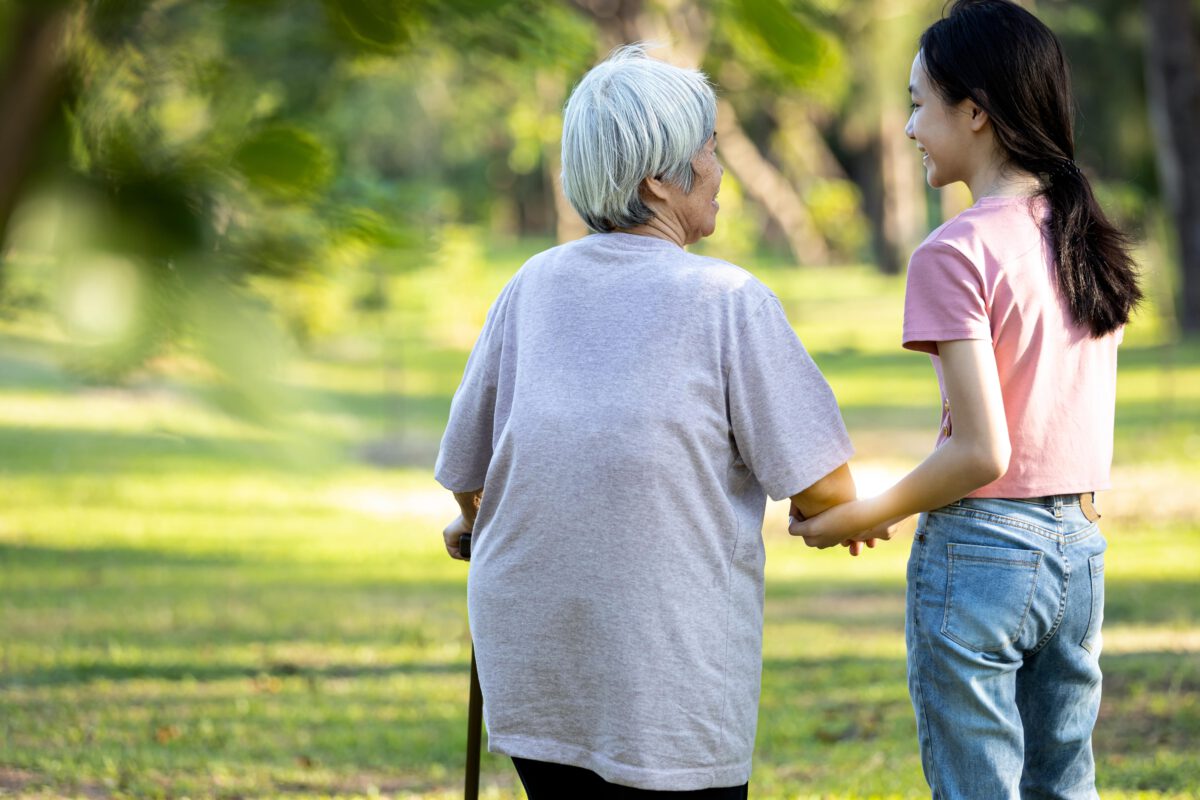
Four Benefits of Intergenerational Programming With the widespread independent lifestyle of many American families, older loved ones are becoming increasingly separated from their families and other support systems. The COVID-19 pandemic has only increased these challenges. An estimated 27 percent of older adults age 60 years and older live alone in the U.S. and would benefit greatly from social interaction. According to Generations United, a national organization that focuses on intergenerational collaboration, two in three Americans would like to spend more time with others outside of their age group. Read more
Evidence-Based Programs: Why They Matter for Dementia Caregivers Caregivers for loved ones with dementia are familiar with the effort, dedication and time needed to provide quality care. It’s next to impossible to do on one’s own, yet asking for help and finding resources isn’t always easy. Even though it feels at times like there’s a long list of programs, services and caregiver resources out there, it may still feel like there’s nothing that fits your individual needs at the moment you need it. And even if there is, how can you know the program or service is reliable, high-quality or will even work to help you and your loved one in the first place? Read more
The Impact of Cybercrimes on Mental Health in Older Adults Cybercrimes have increased 20 percent since the onset of COVID-19 in 2020. Romance scams stole more than $139 million from older adults in 2020. According to a report by the Federal Trade Commission, that’s a 65 percent increase from 2019, when reported losses were nearly $84 million. While the monetary loss is staggering, it is often the devastating emotional toll that impacts the mental health of older adults, their families and those that care for them the most. This webinar will explore the topic of cybercrimes, why older adults are targets, the impact this trauma can have on an individual's mental health and ways to find help in the community. Read more
Dementia: Using Gems to Uncover Clarity This webinar led by the Hospice of the Western Reserve will explore The GEMS®: Brain Change Model, an approach to creating supportive environments for people with dementia along the course of their journey. Additionally, we will define dementia, discuss the role of care partners, explain person-centered care and teach attendees the Hand Under Hand technique to assist individuals with dementia. Lastly, you will learn from Benjamin Rose Institute on Aging about an evidence-based care-coaching program, BRI Care Consultation™, that is available for free in Cuyahoga, Athens and Washington Counties to support individuals with, or at risk of, dementia, including individuals with intellectual and developmental disabilities, and their caregivers. Please join us for this opportunity to learn more about maximizing the remaining strengths of individuals with dementia. Read more
Recognizing the Challenges of Multiple-Duty Caregivers November is National Caregiving Month. We respectfully take time to honor our professional caregivers. We also recognize our equally important unpaid caregivers. Especially during the ongoing COVID-19 pandemic, we pay tribute to these frontline workers. But what about those people who are double—or even triple—duty caregivers? Read more
What the RAISE Family Caregivers Act Means for Caregivers Too often while providing care to our loved ones, we may find ourselves lacking things like services, respite options, financial security, workplace security and education to address the challenges we face every day. To try to address this shortcoming, the Recognize, Assist, Include, Support, & Engage (RAISE) Family Caregivers Act was signed into law in January of 2018 to come up with a national family caregiving plan. Read more
Participating in Dementia Clinical Trials and Research Studies as a Caregiver As a dementia caregiver, you’ve most likely seen references to research studies, surveys and clinical trials when researching your loved one’s condition. Whether it’s the World Health Organization’s statistic that 55 million people around the world have dementia or the suggestion that exercise and a healthy diet can lower the risk of developing dementia, most of what we know about the disease comes from rigorous research. Read more
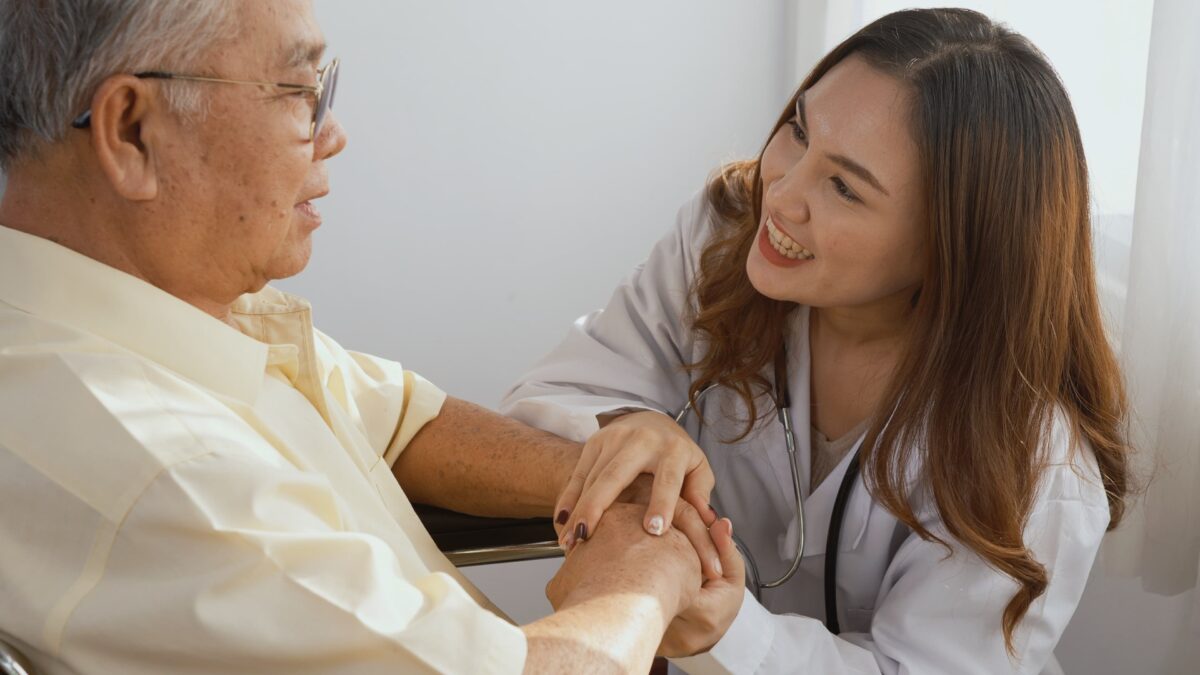
Tips for Communicating with Health Care Professionals as a Caregiver Caregivers for older adults often find themselves needing to play a key role as a communicator and decision-maker during their loved one’s health appointments. However, this role can often be challenging, especially when we are unfamiliar with medical terms, or feel like we shouldn’t burden health care professionals with questions they’ve probably answered a hundred times before. Read more
Planning Ahead for the Approaching Holiday Season as a Caregiver Holidays often have a special meaning for older adults and their family members. They are occasions set aside to acknowledge the passage of time, celebrate significant events in our lives and bring families and friends to come together. By making the most of these special moments, we can truly value our time together with the ones we love. Read more