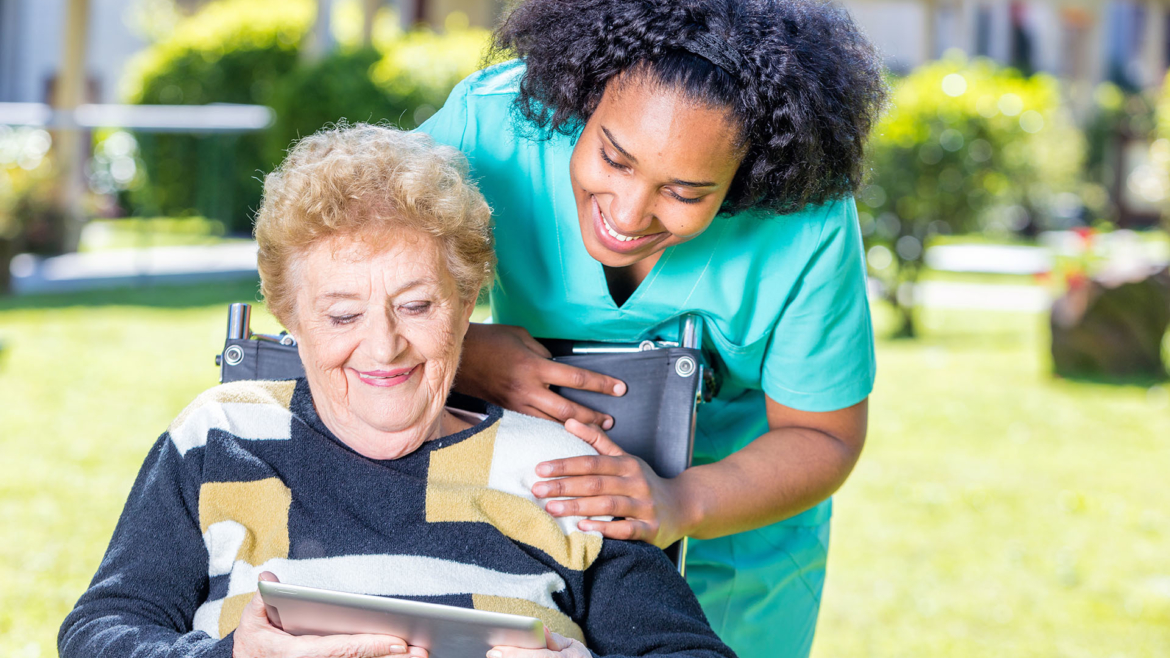
Choosing an Assisted Living Facility Do you need help with the activities of daily living such as bathing, cooking meals and cleaning the house, but are looking to remain independent as possible? If so, assisted living may be right for you. Assisted living facilities can provide round the clock care and support. A good facility will put together a plan that marries the best of independent living with supportive personal care services. Read more
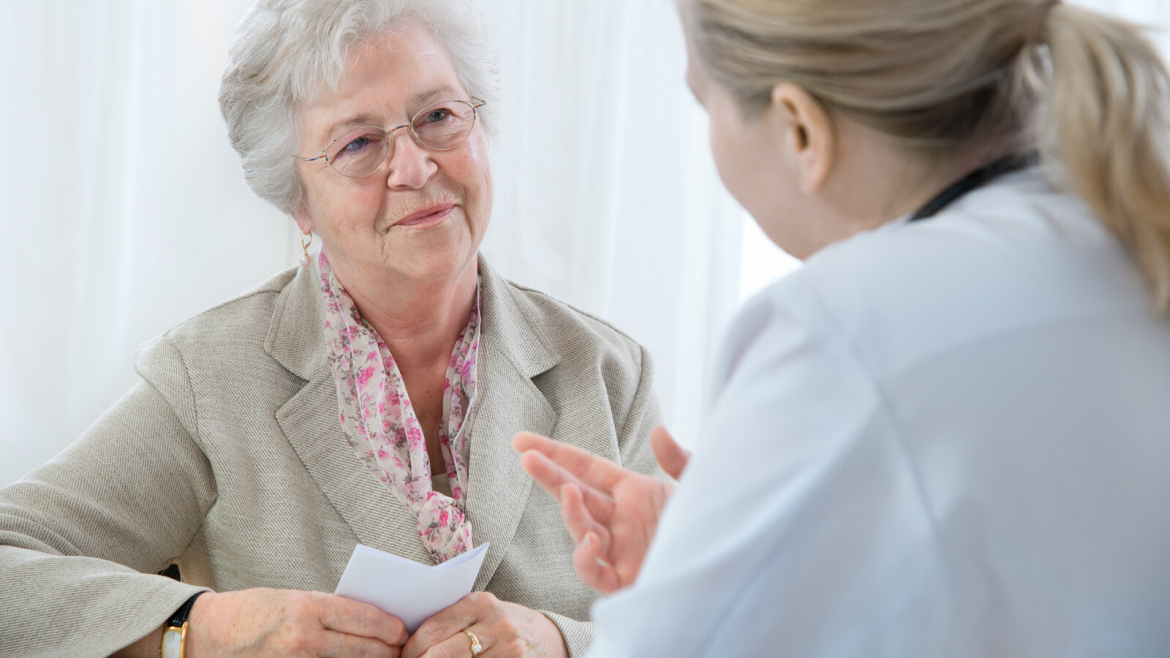
Diagnosing Alzheimer’s Disease and What Comes After As your loved one ages, you may grow concerned about the possibility of them developing Alzheimer’s disease or another form of dementia. However, you may not know how to recognize the signs and symptoms of the disease, how best to discuss your concerns with your loved one, or how to care for them if a diagnosis is made. If you are looking to take some initial steps to assess your loved one’s condition, consider these common questions regarding Alzheimer’s disease to help you better understand the disease and its symptoms and what steps you can take to prepare yourself and your loved one for a diagnosis. Read more
Protecting A Loved One From Self-Neglect It can be challenging to ensure the needs of an older family member, or a loved one living with a disability are met. It can be especially difficult if they are living alone or cannot care for themselves because of physical or cognitive declines, such as dementia. In some cases, a loved one’s health condition or social isolation can put them at risk to self-neglect. Read more
The Impact of Caregiving on Family Members and Friends Family members and friends provide an average of 80% of the help needed by older adults who are unable to independently complete all their daily activities due to an illness or disability. While assistance from professionals or paid helpers may also be beneficial, most of the time, family members and friends are the main source of support, with one or more assisting and serving in the role of caregiver. Read more
Caring From a Distance Do you have to travel over 60 minutes to reach your loved one? Does this distance sometimes interfere with your caregiving responsibilities or prevent you from giving the care your loved one needs? If so, you may be considered a long-distance caregiver. Providing care from afar can complicate the caregiving experience, but there are tools, resources and new technological advancements that can help us all approach the distance in a more effective way. Read more
Managing Caregiver Stress Though caregiving may bring us many positive opportunities to spend time with and provide support for a loved one, we may also regularly encounter stressful situations and struggle to find that elusive work-life balance. In fact, research shows that being a caregiver is “among the most stressful, emotionally burdensome and physically demanding roles a person can take on.” At times, the uplifting feelings of helping someone may ease the energy-draining emotions of caregiving. But caring for someone with a chronic illness can impact all aspects of life, from medical and physical health to financial and relational well-being. Read more
Why Caregivers and their Loved Ones Deserve Respite It is likely that at some point in our lives, most of us will be involved in providing care for an older loved one. A commonly requested type of caregiver assistance among family caregivers is respite, accounting for 15% of all assistance requests according to a study by the Family Caregiver Alliance. A variety of situations may give rise to requests for this type of assistance. For example, if we have a career of our own, the addition of caregiving responsibilities may leave us with very little time to manage our personal needs and day-to-day tasks. Or we may be a caregiver in the “sandwich generation” and care for both children and adult loved ones, which may increase our need for respite, due to the amount of our caregiving responsibilities. Read more
4 Tips to Help Loved Ones Use Computers and Smartphones For much of the world, computers and smartphones are a necessity in everyday life. But for our older loved ones, these devices can provoke anxiety, hostility and resistance. To some older adults, learning how to use a computer or smartphone can seem like a very daunting task, but there are benefits to embracing technology and using devices. Read more
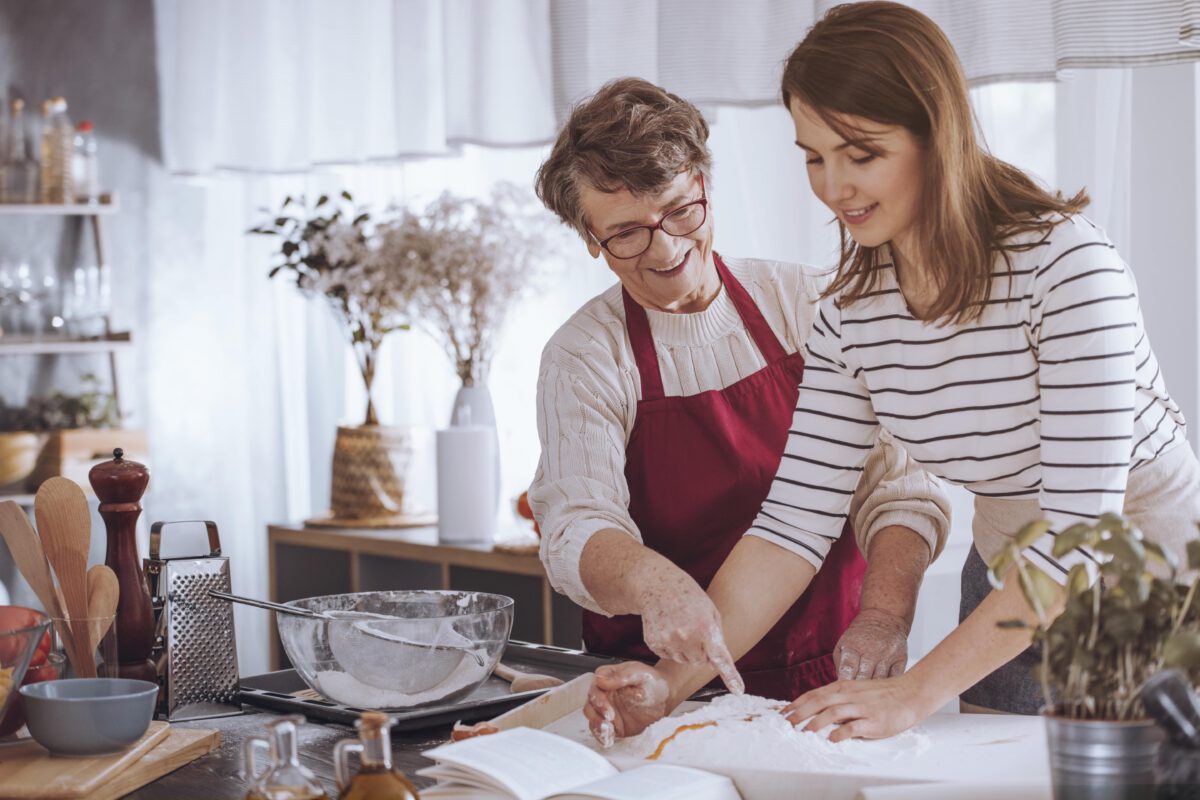
6 Tips to Help a Loved One Cook Safely As we age, the possibility of accidents happening in the kitchen goes up dramatically. According to the Federal Emergency Management Agency, people over the age of 65 have a 2.5 times greater risk of dying in a kitchen fire than the general population. Our older loved ones are much more prone to falling when trying to reach something on the top shelf, and are more susceptible to food-borne illnesses that can be fatal from improperly stored food. If we help our loved ones cook, there are many steps we can take to assure their safety in the kitchen. Read more
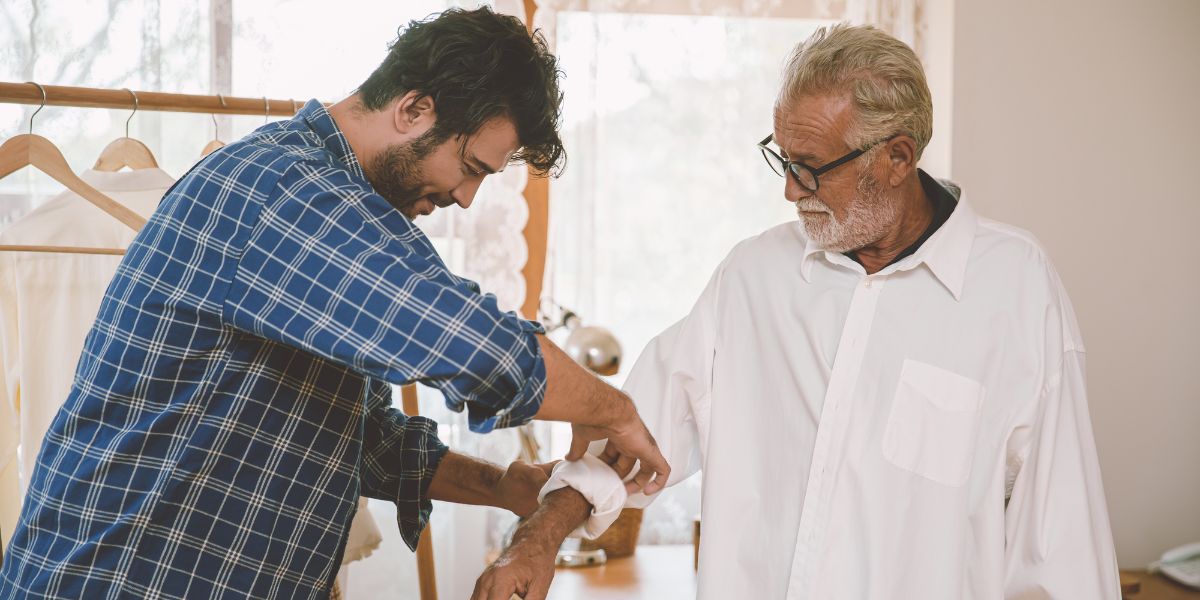
6 Tips to Help a Loved One with Dressing If a loved one we are helping is having trouble manipulating buttons or zippers, or is finding it difficult to maintain their balance when dressing, it may be time to for us to assist them with getting dressed. Here are some tips we can use to help us aid our loved ones with dressing, while also helping them maintain a sense of independence. Read more