Online Referral Form Refer a patient or client to WeCare Just fill out this short form and we’ll take it from there! We’ll ensure your patient and their family are enrolled for all the no-cost benefits they are eligible to receive. Questions? Call us at 216-373-1797 or email [email protected]. [wufoo username="benrose" formhash="z1oljmtu1w2ty35" autoresize="true" height="1461" header="show" ssl="true"] Read more
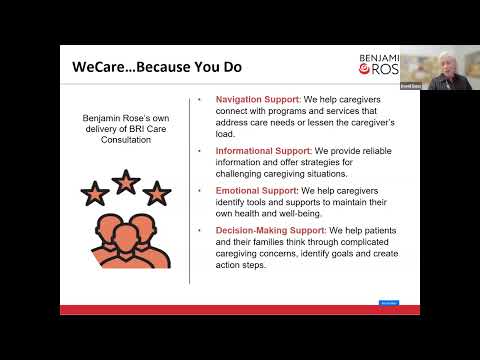
A Quick Intro to the GUIDE Model for Health Professionals GUIDE is well positioned to improve health outcomes by encouraging use of community resources, offering caregiver education to improve competence and confidence, and enhancing access to medical and behavioral specialists, along with seamless coordination of healthcare and support services. Read more
How to Leverage Partner Organizations to Implement the GUIDE Model This session answers some of your most burning questions about how to establish an effective partnership with a Care Navigation partner – in this case between a healthcare system and a community-based organization -- to deliver GUIDE Model services. Read more
Strengthening Dementia Care Navigation Through Collaborative Partnerships This session explores the key principles of quality dementia care navigation and the critical role that partnerships between healthcare systems and community organizations play in enhancing care for people living with dementia and their care partners. Read more
How Older Adults Can Navigate Cold, Flu and COVID Season Winter months are notorious for an increase in illnesses like the common cold, flu and COVID-19. Older adults in particular are at a higher risk of severe complications from these illnesses due to existing chronic conditions and age-related changes in immunity. With proper preparation and quick action, however, older adults can stay safe and healthy during the season. Read more
Medicare’s GUIDE Program Improves Dementia Care for Families For families caring for someone with dementia, a groundbreaking program from Medicare has been introduced that could dramatically improve the medical and support services you receive – at no cost to you. Called Guiding an Improved Dementia Experience (GUIDE), this program recognizes the needs of families dealing with dementia and provides Medicare-covered medical and support services to provide individualized assistance. Read more
Understanding Seasonal Affective Disorder and Its Impact on Older Adults As the days grow shorter and sunlight becomes scarce, many people experience a change in their mood and energy levels in winter. For some, these changes are more severe and have a greater impact on their everyday life, a condition known as Seasonal Affective Disorder (SAD). This form of depression, linked to seasonal changes—particularly the change from summer to fall/winter—affects millions of people annually, including a significant number of older adults. Read more
Assessing Travel Readiness for Older Loved Ones During the Holidays The holiday season is a time for family gatherings, shared meals and cherished traditions. When you’re caring for an older loved one, it also includes navigating the logistics of travel. While traveling can offer a wonderful opportunity for connection, it’s important to ensure that your loved one is healthy and prepared for the journey. Before booking tickets or packing bags, consider these steps to assess whether your loved one is ready to travel and how to ensure they have a safe and comfortable trip. Read more
Hygiene Tips for Caregivers: Promoting Dignity and Comfort Caring for an older adult who struggles with personal hygiene can be challenging, both physically and emotionally. Some older adults may have physical limitations that make it hard to keep up with hygiene, while others may not recognize their needs or feel resistant to assistance. In either case, the situation can easily turn difficult for caregivers if not dealt with, and the longer a loved one goes without problem care being taken, the greater likelihood that a complication will arise from an unsanitary environment. Read more
Managing Life After a Diabetes Diagnosis: Key Steps for Your Health Being diagnosed with diabetes can feel overwhelming, but with the right steps, you can manage it effectively and continue to live a healthy, fulfilling life. There are key actions to take, along with other areas of your health to monitor for preventing complications. Read more