5 Tips to Help a Loved One Manage Eating Difficulties As a loved one ages, they may experience changes that impact their appetite; their ability to distinguish taste, smell, temperature and texture of food; and, if they have dementia, they may have difficulty feeding themselves. We can help our loved ones maintain proper nutrition and avoid unwanted weight loss and other negative outcomes. Read more
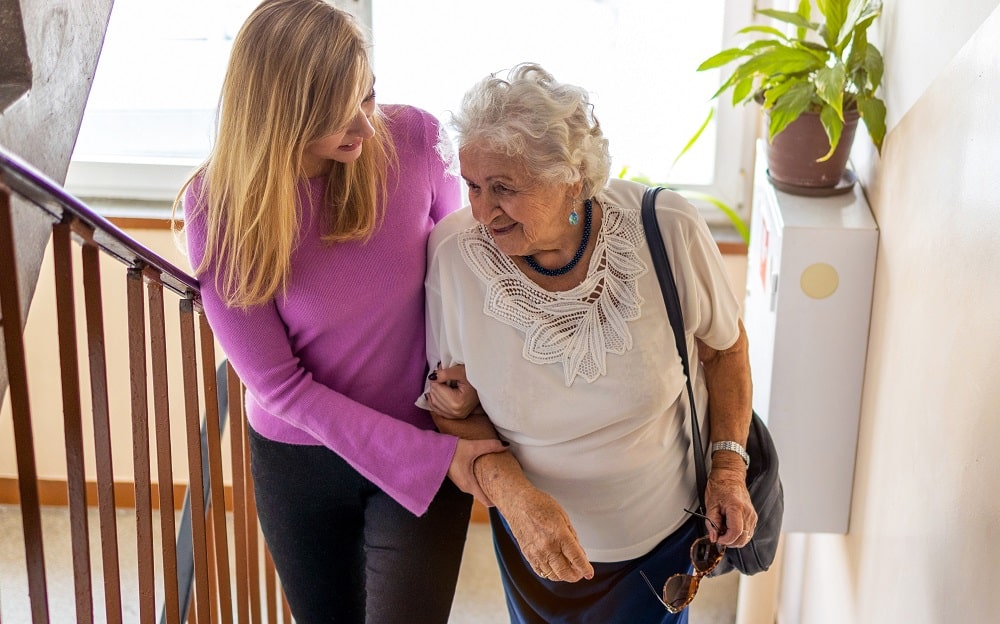
4 Tips to Help a Loved One Manage Stairs If a loved one has mobility issues, a flight of stairs can sometimes seem like an insurmountable obstacle. At the same time, being able to move freely and safely throughout the home is imperative for a loved one's independence. In addition, the social and emotional benefits of leaving the home from time to time should not be neglected just because a few stairs are in the way. Read more
Taking a Teamwork Approach to Caregiving As we age, most of us would prefer to stay within our own homes, but this becomes difficult as age and infirmities slow us down. Adding to this, grown children or other relatives may not live nearby. If we are caring for an older loved one who is living at home, they may also struggle to maintain their independence if they do not have all the support they need to manage their day-to-day life. The best way we can help a loved one in this situation is to plan ahead and assemble a team. Read more
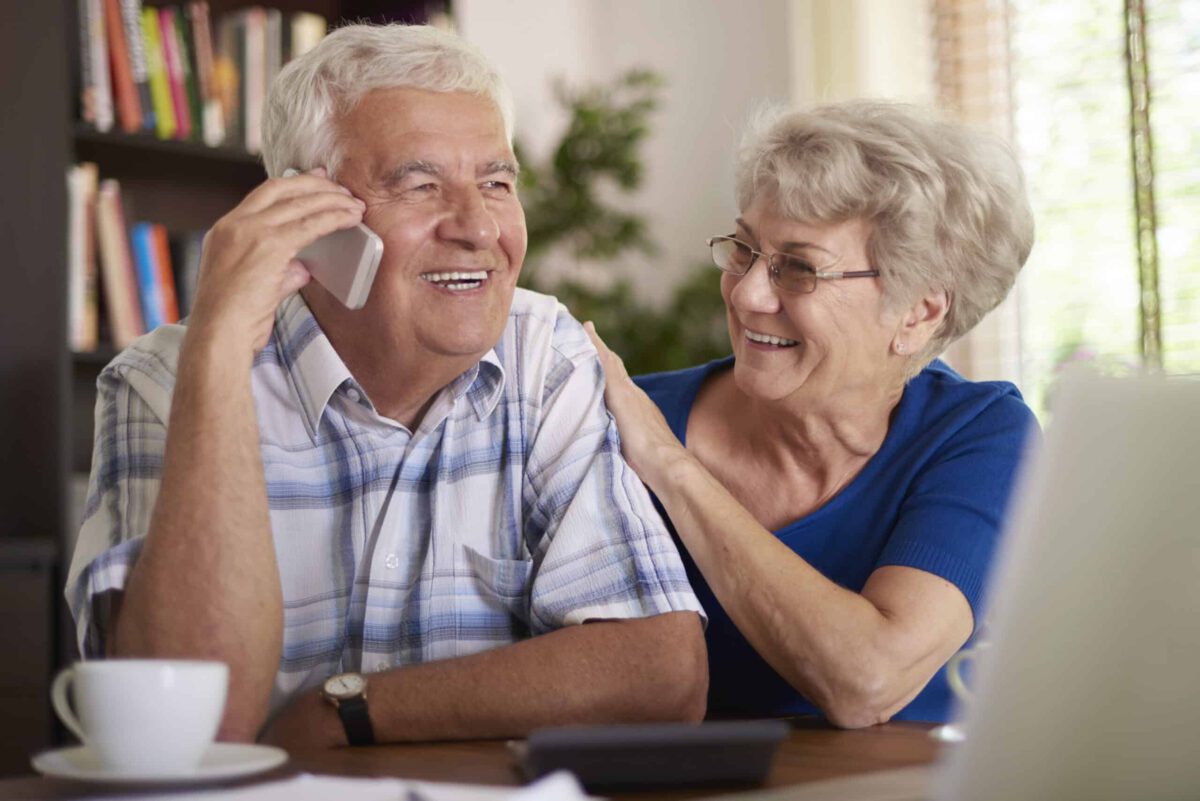
5 Tips to Help our Loved Ones with Using Telephones For many of our loved ones, hearing and vision problems develop over time and create problems when they want to use the telephone. When a loved one has challenges that cause them to avoid using the phone, tension can ensue. We can help our loved ones retain their independence with these tips for addressing the many different challenges that may cause a loved one to stop using the phone. Read more
Bringing Exercise to Dementia Care As caregivers, it can be challenging to keep a loved one engaged in healthy activities because of a lack of endurance, soreness or general lack of interest. Yet encouraging loved ones to participate in these activities can be important to improving their health and wellness. According to the National Institute on Aging and the Alzheimer’s Association, staying active has numerous benefits for people with dementia. Read more
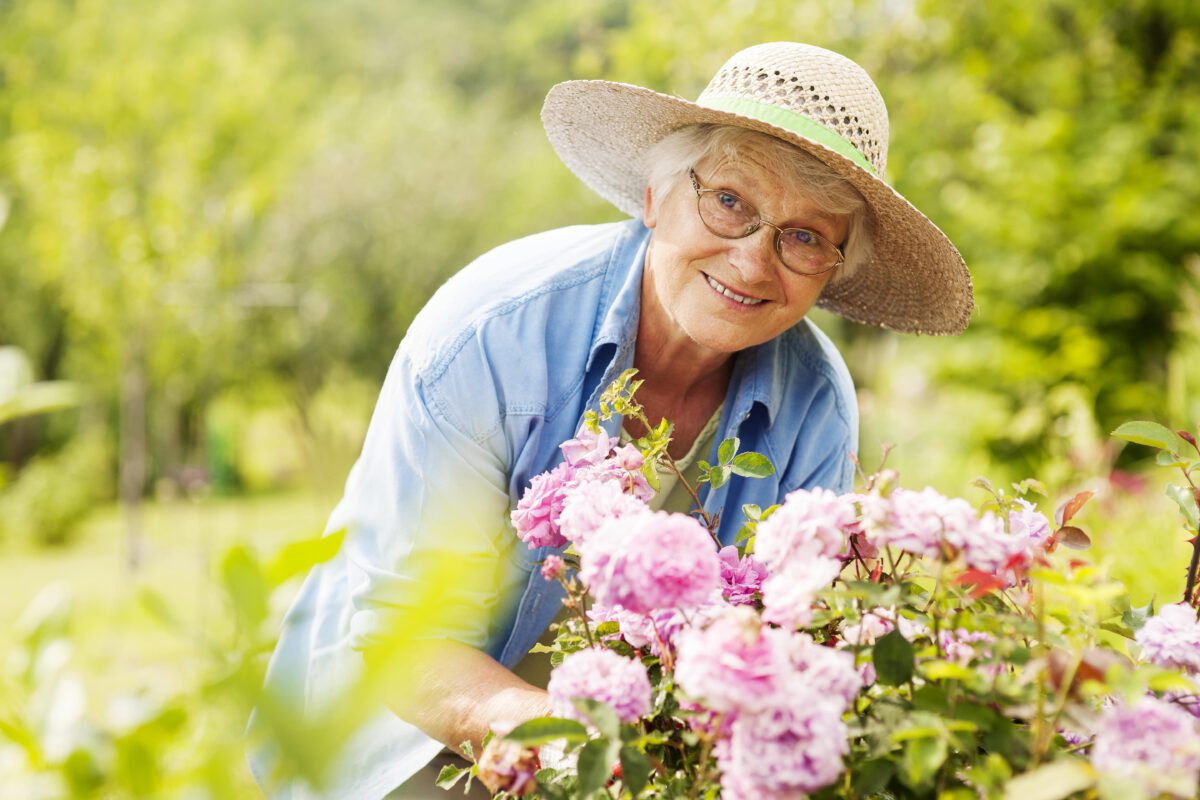
Activities for a Loved One with Dementia: Gardening Gardening can be a wonderful activity for older adults with Alzheimer's or other memory disorders and their families. According to experts who diagnose and treat memory disorders, gardening activities often have a positive effect on the physical, mental and emotional health of older adults. An afternoon of fresh air and sunshine in the garden can help improve a loved one’s appetite and help them sleep better at night. Watching new plants begin to grow and bloom under their care can also give them a sense of pride, accomplishment and enjoyment at the flowers, fruits and vegetables they were able to grow with our help. Read more
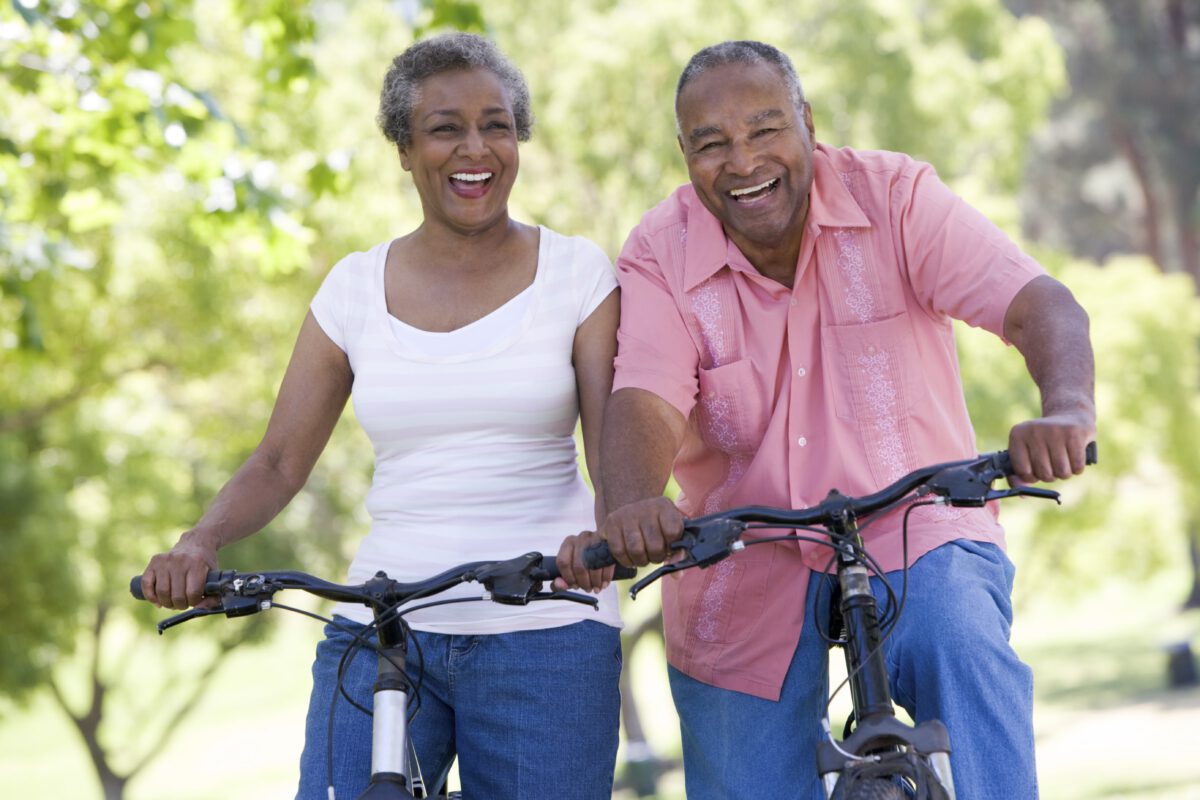
Incorporating Exercise into a Loved One’s Routine Most of us know that physical activity is good for our health, and an important part of a weekly routine. But what about the loved ones we care for? Do they know the many benefits of physical activity? If we are in great shape and physically fit, our loved ones can take a page from our book. If not, then the two of us may want to consider how participating in physical activity can benefit us both. Read more
Music Therapy for Dementia Care Staying engaged in meaningful and interesting activities can be challenging after receiving a dementia diagnosis, but as caregivers, it is important for us to help our loved one continue to participate in activities they enjoy. If our loved one likes listening to or playing music, music therapy may be a helpful option. Music therapy can help individuals with dementia with their cognitive and/or physical functioning, while helping them stay connected with others. Read more
4 Creative Ways to Engage a Loved One in Reminiscence Everyone has a story to tell, and the older adults in our lives can be a rich source of memories, fascinating experiences, history and lessons learned over the course of a one-of-a-kind lifetime. Research shows that engaging in reminiscence and storytelling with a loved one can improve their mental, psychological and emotional health, while also helping caregivers personalize their caregiving and improve their connection and communication with their loved one. Read more
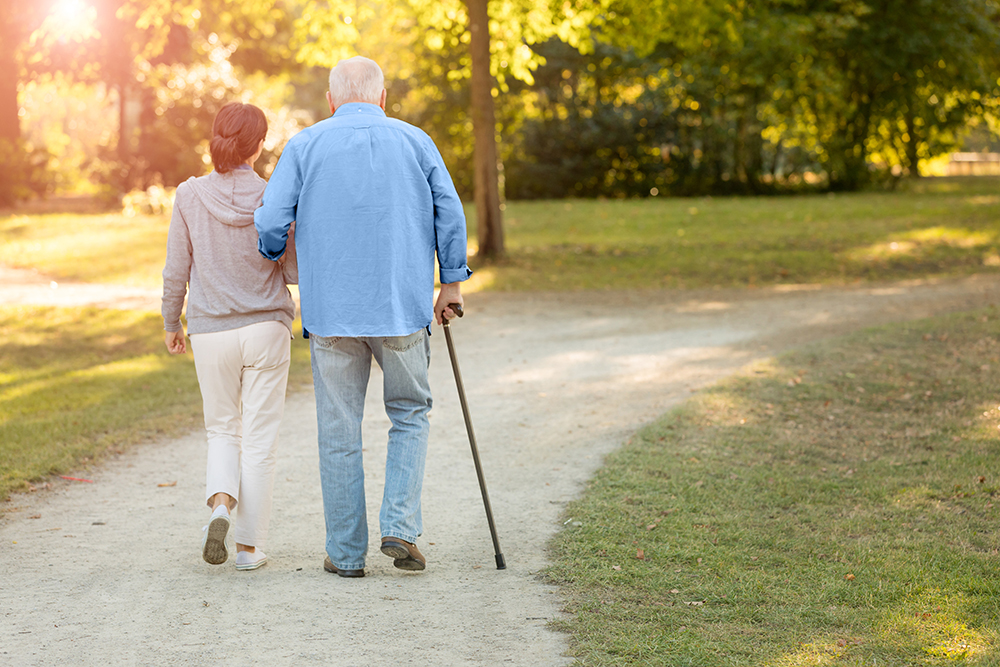
Walking Tips to Support a Loved One There are many health benefits for older adults who walk on a regular basis. If a loved one has mobility issues, they can still benefit from walking, even if it's just a little bit. Here are some tips to help a loved one remain mobile. Read more