Preparing for Your Future After an Early Onset Dementia Diagnosis A diagnosis of dementia can be devastating no matter your age. However, older adults, especially those over the age of 65, tend to be more aware of the possibility of dementia, and know that their risk statistically increases each year. But for younger adults, being diagnosed with dementia between the ages of 30 and 60 is not only upsetting—it can be outright shocking. Read more
Advocating as a Caregiver for the Creation of Age-Friendly Communities Creating age-friendly communities can be beneficial to the well-being of not only older adults, but also those who care for them, regardless of age. These communities can provide older adults with the means to age in place with the support of family and friend caregivers. As we care for loved ones, we can also be part of the movement to promote age-friendly communities and advocate for change. Read more
How Do I know If?: Recognizing When a Loved One Needs More Support If we are asking the question How do I know if… about a loved one’s care, it usually means the time to take action is now. But what if we do not even know the relevant questions to ask, let alone the best answer? We are bombarded with information from well-meaning family and friends, but don’t know how to tailor it to our own situations. Read more
Evidence-Based Programs: Why They Matter for Dementia Caregivers Caregivers for loved ones with dementia are familiar with the effort, dedication and time needed to provide quality care. It’s next to impossible to do on one’s own, yet asking for help and finding resources isn’t always easy. Even though it feels at times like there’s a long list of programs, services and caregiver resources out there, it may still feel like there’s nothing that fits your individual needs at the moment you need it. And even if there is, how can you know the program or service is reliable, high-quality or will even work to help you and your loved one in the first place? Read more
Participating in Dementia Clinical Trials and Research Studies as a Caregiver As a dementia caregiver, you’ve most likely seen references to research studies, surveys and clinical trials when researching your loved one’s condition. Whether it’s the World Health Organization’s statistic that 55 million people around the world have dementia or the suggestion that exercise and a healthy diet can lower the risk of developing dementia, most of what we know about the disease comes from rigorous research. Read more
Understanding and Managing Dementia-Related Behavior Changes A loved one with dementia will experience many changes as the disease progresses. Though dementia is most commonly associated with memory loss, the changes dementia causes to the brain impact more than just memory—personality and behavior can be affected as well. We may feel that a loved one with dementia isn’t “acting like themselves” or that their actions might be “uncharacteristic.” Sometimes this can manifest in small ways, like being less alert than usual, or being more talkative around strangers. Other times, they may say or do something much more difficult to handle, like having an outburst of anger in public or making a sexually inappropriate comment. Read more
I Can’t Be the Caregiver Anymore: How to Transition from Your Role Becoming a caregiver to an older loved one is a big commitment, and like other commitments in life—wedding vows between spouses, the responsibilities of parenting—it can often feel binding. Many of those who become caregivers do so with the intentions of staying in this role until their loved one passes away. However, this is not always possible or realistic. Read more
Becoming a Caregiver: My Role Has Changed, Now Who Am I? We all have roles in life that we are used to and comfortable with. Some roles that come to mind easily are mother, father, sister, brother, wife, husband, partner, friend, aunt, uncle and grandparent. These are very common roles that are socially accepted, defined and supported. We know how to be a parent, sibling, friend etc., because people teach us by serving as an example. What happens when these roles start to change, however? These scenarios happen every day, and the shift that it can create in a relationship paradigm can have a ripple effect of feelings, emotions and struggles. Read more
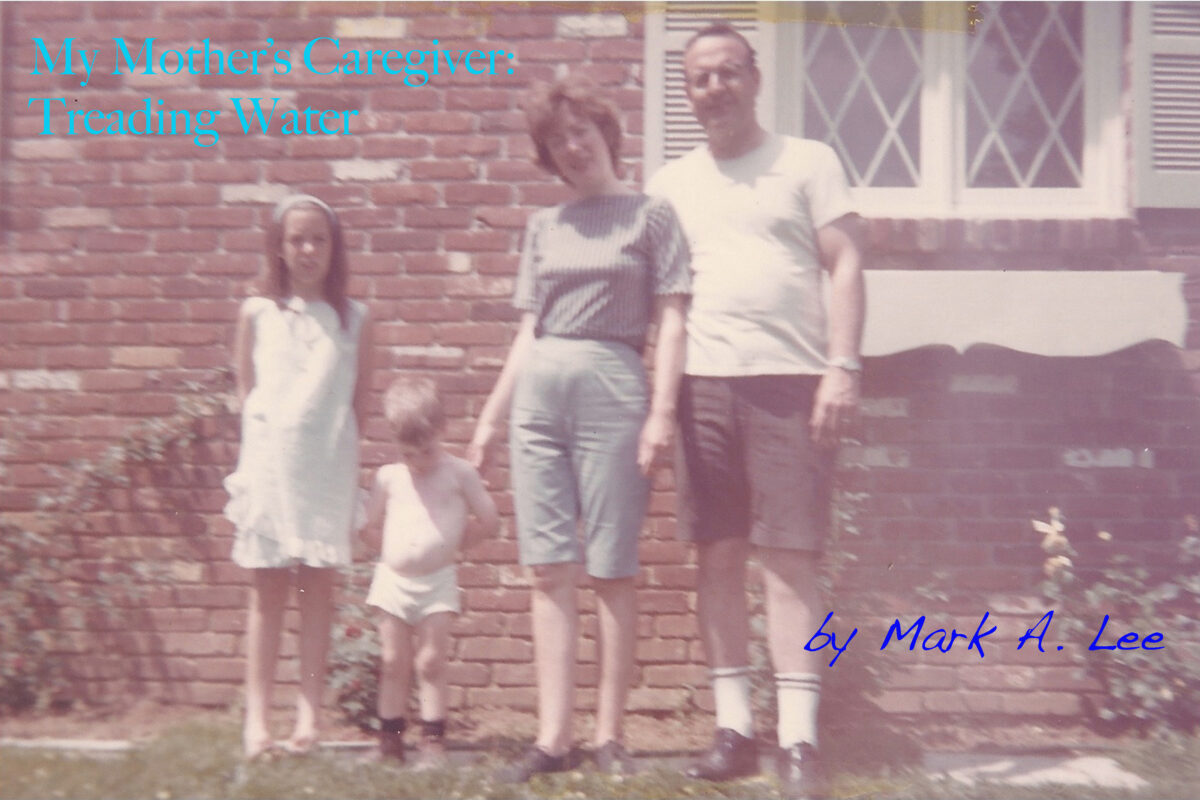
My Mother’s Caregiver: Treading Water Writer and photographer Mark A. Lee joins us yet again for a guest blog, highlighting challenges caregiving for his mother during the COVID-19 pandemic and excerpting his upcoming book on his past experiences caregiving for his father, "Raising Dad" Read more
Self-Identifying as a Caregiver: How the Truth May Actually Set You Free! Are you a caregiver to a loved one? It’s surprising how many of us are quick to answer “no” to that question. Sure, we help a loved one out a few times a week, take them to appointments and do their shopping. But for some reason, the majority of people acting in a caregiver role are hesitant to consider themselves “caregivers.” In fact, according to an AARP Caregiver Identification study, only about 19 percent of caregivers in the country are willing to identify themselves as such. Read more