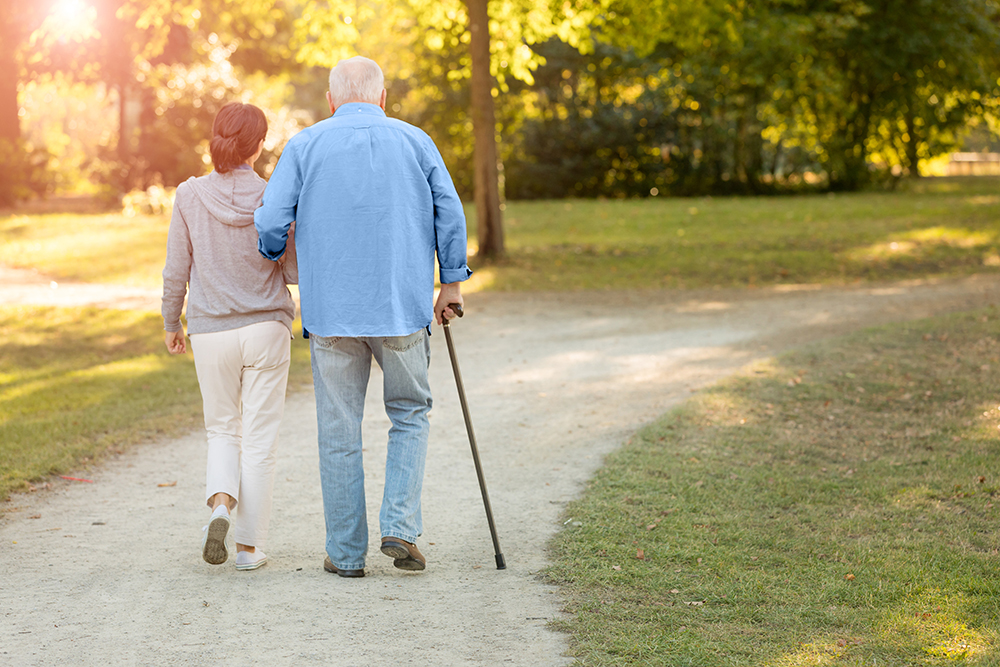
Walking Tips to Support a Loved One There are many health benefits for older adults who walk on a regular basis. If a loved one has mobility issues, they can still benefit from walking, even if it's just a little bit. Here are some tips to help a loved one remain mobile. Read more
A Healthy Back for a Healthy Body: Tips for Managing Back Pain As we age, we may find ourselves suffering from stiff, painful backs that may prevent us from taking part in the active lifestyle we may have enjoyed when we were younger or healthier. If so, we are not alone. Back pain is one of the most common reasons older people visit their doctors for a back exam, diagnosis, pain relief and treatment. Read more
Guiding a Loved One Through Cataract Surgery If a loved one has trouble seeing and has been diagnosed with a cataract, we may be concerned about what the next steps are and how to prepare. The surgery typically recommended to treat this condition is common and low risk, but it may still be helpful for us to come prepared with knowledge on how best to help our loved ones through the procedure and recovery. Read more
A Caregiver’s Journey Through Hospice Care There are many misconceptions about hospice care in the United States. When my mom’s cancer became a terminal diagnosis, I was grateful that I had a working knowledge of hospice services so my family and I could focus on her quality of life and pain management as she entered into her life’s final journey. Here are some useful pieces of information that may help us and our loved one make an informed decision about whether hospice may be an appropriate option for our loved one’s end-of-life care. Read more
Where Can I Turn for Help? When we begin caring for a loved one with a chronic health condition, it can be difficult to ask for help. We may not know whom to ask for support, or worry about being perceived as unable to manage all of our responsibilities. Locating available resources and information can be challenging and overwhelming, but understanding where to turn for quality services and information to support us throughout our caregiving journey is important. We can start by surfing the internet, but these searches often give us too much information, and it can be hard to determine what is accurate and trustworthy. Read more
How to Choose a New Doctor Choosing the right doctor is an important part of ensuring good health. A good doctor understands our needs, helps us with important medical decisions and makes us feel comfortable and supported under their care. But what if we don’t currently have a primary care doctor, are not comfortable with the one we have, have changed insurance policies, recently moved or have had a bad experience with our current medical staff? When we have serious concerns about our current care situation, it may be time for us to find a new doctor we can trust to provide the best care for us. Read more
Setting Up a Group Outing Group outings are an important activity for many community centers, and can also be a great way for older adults to arrange engaging activities with their friends and social groups. These outings provide opportunities for socialization, exercise, learning, reminiscing, and connecting with others. While it might seem straightforward to plan a local outing, there are a few tips we can follow to make these outings as smooth and successful as possible. Read more
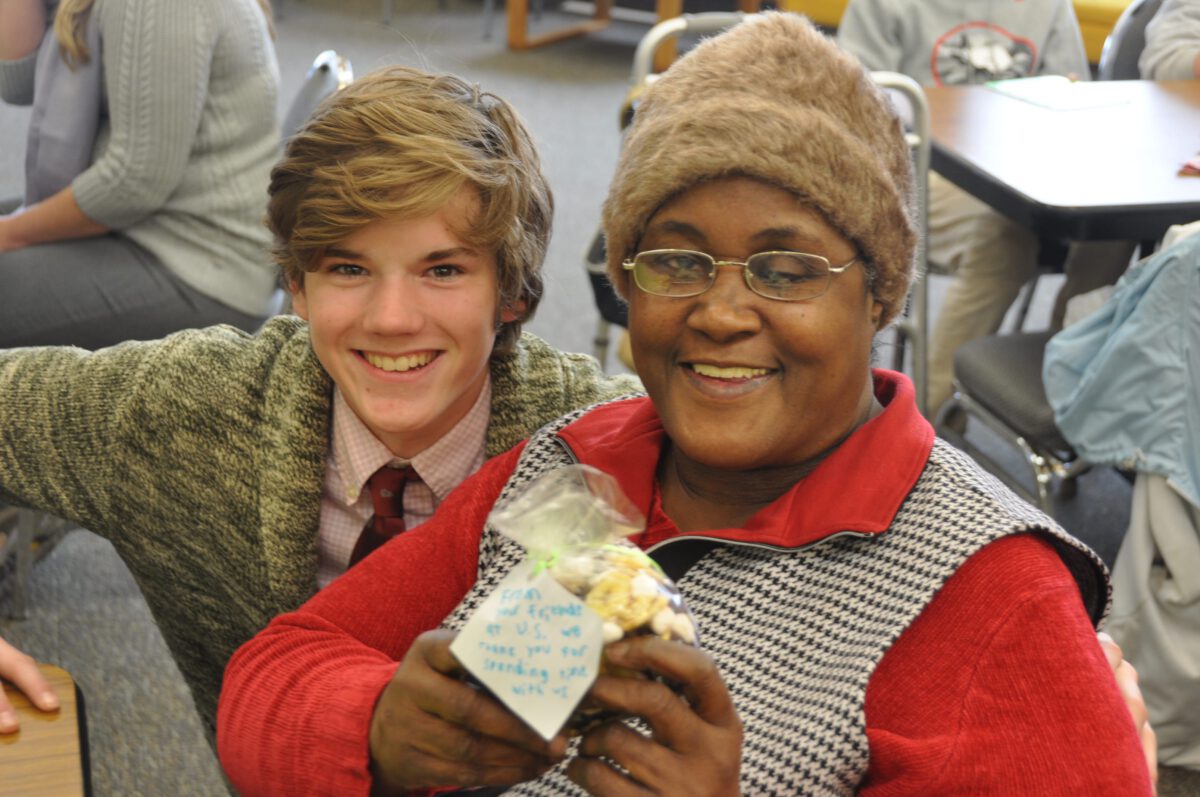
The Impact of Intergenerational Programming Intergenerational programs provide opportunities to bridge generations through interactive activities and shared experiences. The impact and benefits of intergenerational programming can be measured on many levels. Whether you’re an older adult interested in participating in these activities or an organizer interested in planning them, here are just a few real world examples from the Benjamin Rose Institute on Aging’s Rose Centers for Aging Well of how intergenerational activities have benefited various generations of participants. Read more
Ways to Manage Social Isolation The negative impact and detrimental effects of social isolation remain an important topic. The AARP Public Policy Institute’s 2018 study “highlighted social isolation as the new silent killer – a major risk factor for a host of conditions, including heart disease, high blood pressure and early onset dementia.” AARP defines social isolation as “occur[ing] when people withdraw and become disconnected from family, friends and community” and reports, “… nearly 1 in 5 Americans 65 and older are socially isolated”. Given these startling statistics, what are ways we can reduce our risk and manage social isolation? Read more
Benefits of Volunteering Are you looking to learn a new skill, become more connected in your community, or engage with others? Whatever your reason may be, volunteering could be a great option for you! Volunteers are crucial to many organizations, as they provide fresh, new ideas, cost savings to the organization, and share knowledge, expertise and experiences with staff and other volunteers. So why not give back and gain something in return? Read more